
Decluttering transforms your living space from chaotic to calm. But the process can feel overwhelming when you look at years of accumulated stuff. The solution is a systematic room-by-room approach that breaks the task into manageable pieces.

The Psychology of Clutter: Why We Accumulate

Understanding why you accumulate clutter makes the decluttering process significantly easier. Research from the Yale School of Medicine used fMRI brain scans to show that parting with possessions activates the same areas of the brain associated with physical pain — the anterior cingulate cortex and insula. Clutter isn't a character flaw; it's a neurological challenge.

The most common psychological drivers of clutter include:

Sunk cost fallacy: "I paid $200 for this, so I can't get rid of it." The money is already spent regardless of whether you keep the item. Keeping something you don't use doesn't recover the cost — it just adds ongoing storage and mental costs.

Future self optimism: "I might need this someday." We consistently overestimate how likely we are to use stored items. Studies show that people use less than 20% of what they keep "just in case."

Identity attachment: "This was part of who I was." Old hobby supplies, career memorabilia, and clothing from a different life stage represent identities we've moved beyond. Keeping them doesn't preserve the past — it just crowds the present.

Gift guilt: "Someone gave this to me, so I have to keep it." The purpose of a gift is the thought behind it, not the physical object. The giver wanted to make you happy, not burden you with permanent storage obligations.

The Decision Framework: Keep, Donate, Discard

For every item you pick up during decluttering, ask these three questions in order:

  1. Have I used this in the past 12 months? If yes, keep it. If no, proceed to question 2.
  2. Would I buy this again today at full price? If yes, keep it. If no, proceed to question 3.
  3. Does this item have legal or financial importance? (Tax records, passports, insurance documents.) If yes, keep it in a designated file. If no, it goes to donate or discard.

This three-question filter takes 5-10 seconds per item and eliminates the agonizing deliberation that makes decluttering exhausting.

Room-by-Room Time Estimates

One reason people never start decluttering is that it feels like an infinite project. Here are realistic time estimates based on a typical 3-bedroom home:

RoomAverage TimeItems Typically RemovedDifficulty Level
Bathroom30-45 min20-40 items (expired products, duplicate toiletries)Easy — start here
Kitchen2-3 hours30-60 items (gadgets, duplicate utensils, expired food)Medium
Living room1-2 hours15-30 items (decor, books, media, throw pillows)Medium
Bedroom2-3 hours40-80 items (clothing, accessories, bedside clutter)Hard — emotional items
Home office1-2 hours30-50 items (papers, old tech, supplies)Medium
Garage/storage3-5 hours50-100+ items (tools, seasonal items, boxes)Hard — volume and nostalgia
Kids' rooms1-2 hours per room30-60 items per roomHard — requires kid cooperation

Total for average home: 12-20 hours spread over 2-4 weekends.

The Decluttering Momentum Strategy

Start with the easiest room (bathroom) and work toward the hardest (garage/kids' rooms). Each completed room builds momentum and confidence. By the time you reach emotionally difficult areas, you've already experienced the relief of a simplified space multiple times.

Day 1: Bathroom (quick win, visible results) Day 2: Kitchen (high-impact, functional improvement) Day 3: Living room (transforms daily experience) Day 4-5: Bedrooms (personal, potentially emotional) Day 6: Home office (improves productivity) Day 7: Garage/storage (the final frontier)

What to Do With Removed Items

Having a clear plan for removed items prevents the "pile of donation bags in the garage for six months" problem:

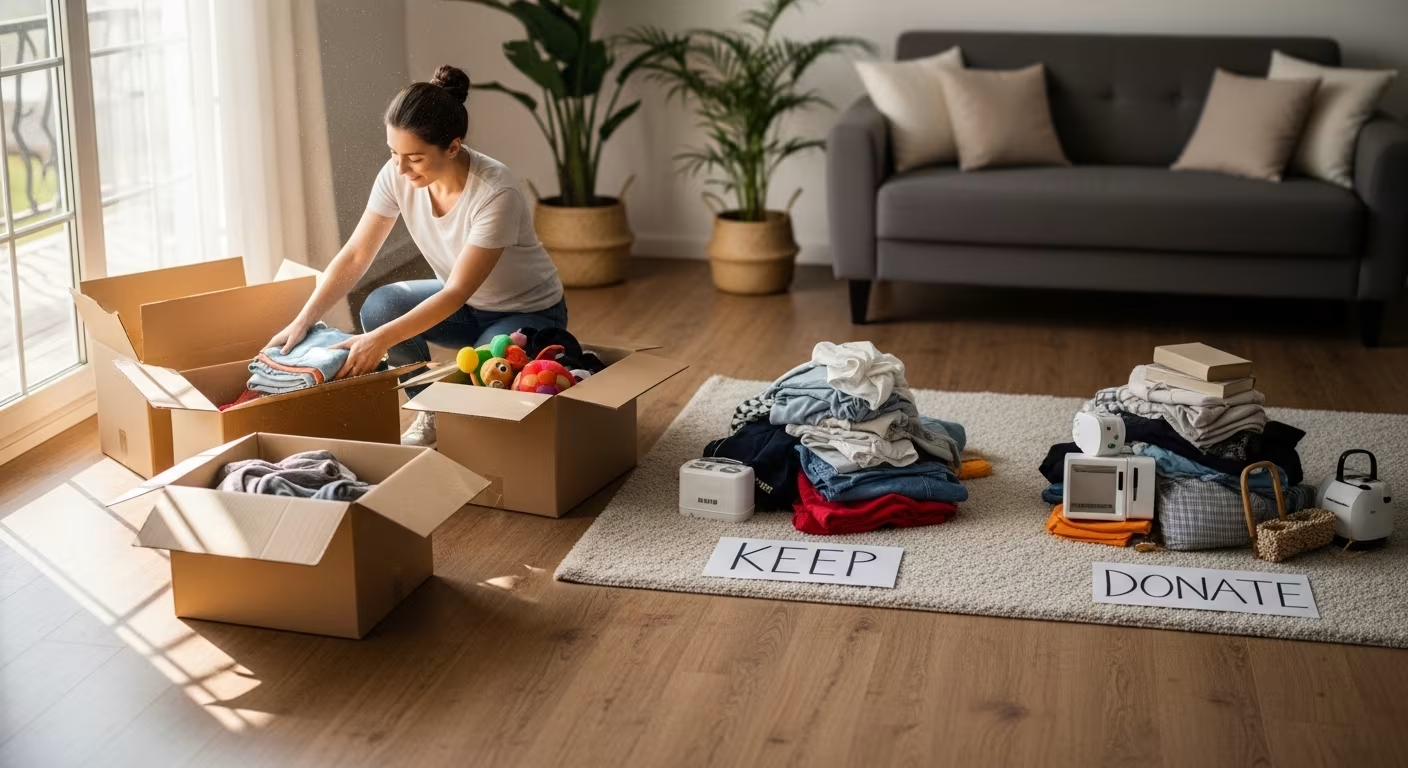
Donate immediately: Load items in your car and drive to the donation center the same day. Goodwill, Salvation Army, and local shelters accept most household items. Many offer free pickup for large donations.

Sell selectively: Only sell items worth $25 or more. The time spent photographing, listing, communicating with buyers, and shipping items under $25 almost never justifies the return. Facebook Marketplace and Craigslist work for local sales; eBay for specialty items.

Recycle responsibly: Electronics go to e-waste recycling (Best Buy accepts most electronics for free). Textiles too worn to donate go to textile recycling bins. Hazardous materials (paint, chemicals, batteries) go to your county's hazardous waste facility.

Discard the rest: Some things have no second life, and that's okay. Broken items, stained clothing, and truly worn-out goods go in the trash. Don't let guilt about waste prevent you from decluttering — the waste already happened when the item was purchased.

Why Room-by-Room Works

Trying to declutter your entire home at once leads to:

  • Overwhelm and paralysis
  • Half-finished projects everywhere
  • Exhaustion before completion
  • Items shuffled rather than removed

A room-by-room approach provides:

  • Clear start and end points
  • Visible progress that motivates
  • Focused decision-making
  • Completed spaces that inspire continuation

Before You Begin

Gather Supplies

  • Large trash bags
  • Boxes or bins labeled: Keep, Donate, Sell, Trash
  • Markers for labeling
  • Cleaning supplies

Set Your Standards

Before touching anything, define your criteria:

Keep if:

  • You use it regularly (weekly or monthly)
  • It brings genuine joy or meaning
  • It serves an irreplaceable function
  • It fits your current life, not your past or fantasy future

Remove if:

  • You haven't used it in a year
  • You forgot you owned it
  • You're keeping it out of guilt
  • It's broken, damaged, or incomplete
  • It belongs to a life you no longer live

Choose Your Order

Start with the easiest room to build momentum, or tackle the worst room first to get it done. There's no wrong order, but consistency matters.

Room-by-Room Guide

The Bathroom

Time needed: 30-60 minutes

Why start here: Bathrooms are small with mostly functional items. Clear decisions. Quick wins.

What to declutter:

  • Expired medications and cosmetics
  • Products you tried but don't use
  • Duplicate items
  • Old towels and washcloths
  • Broken or worn items

What to keep:

  • Products you use daily or weekly
  • Backup essentials (one per category)
  • Quality towels (2-3 per person)
  • Medications that aren't expired

Organizing after:

  • Use drawer dividers for small items
  • Keep daily items accessible
  • Store extras under sink
  • Clear countertops except daily essentials

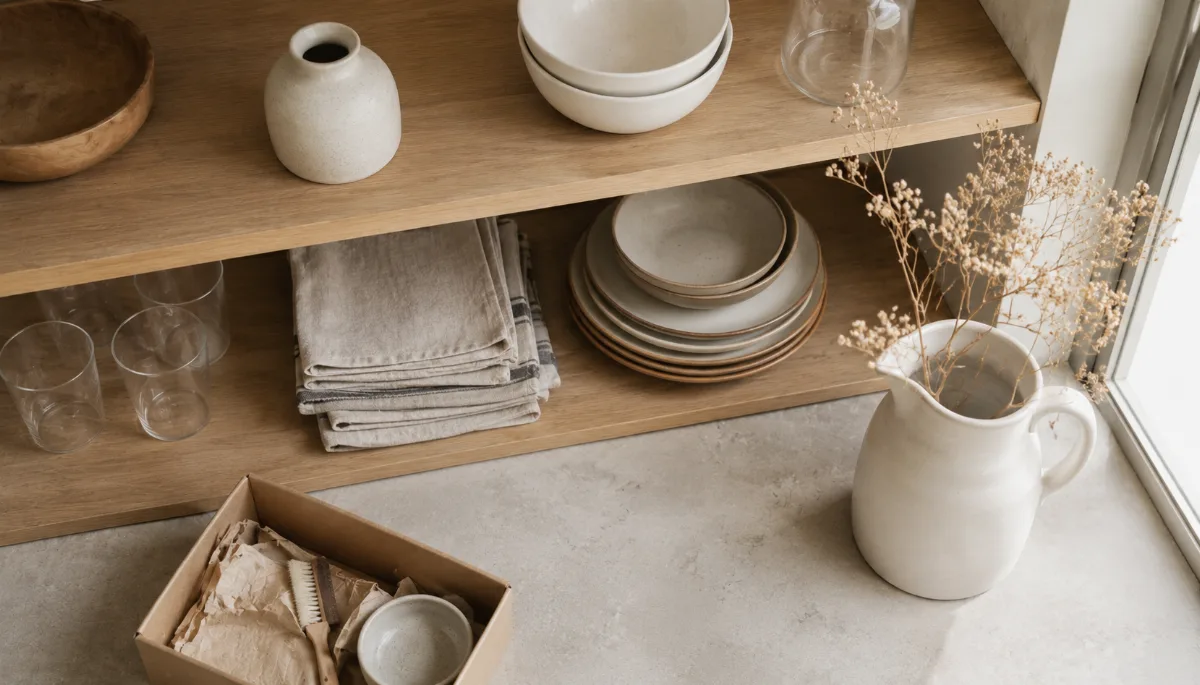
The Kitchen

Time needed: 2-4 hours

Why it matters: The kitchen sees daily use. Clutter here creates daily friction.

What to declutter:

  • Expired food
  • Duplicate gadgets
  • Rarely used appliances
  • Chipped or damaged dishes
  • Plastic containers without lids
  • Cookbooks you never open

What to keep:

  • Daily cooking essentials
  • One set of quality cookware
  • Dishes for your household plus a few extras
  • Tools you use monthly or more
  • Appliances used weekly

Organizing after:

  • Clear counters of everything possible
  • Store items near where they're used
  • Accessible items = frequently used items
  • Create zones: cooking, prep, storage

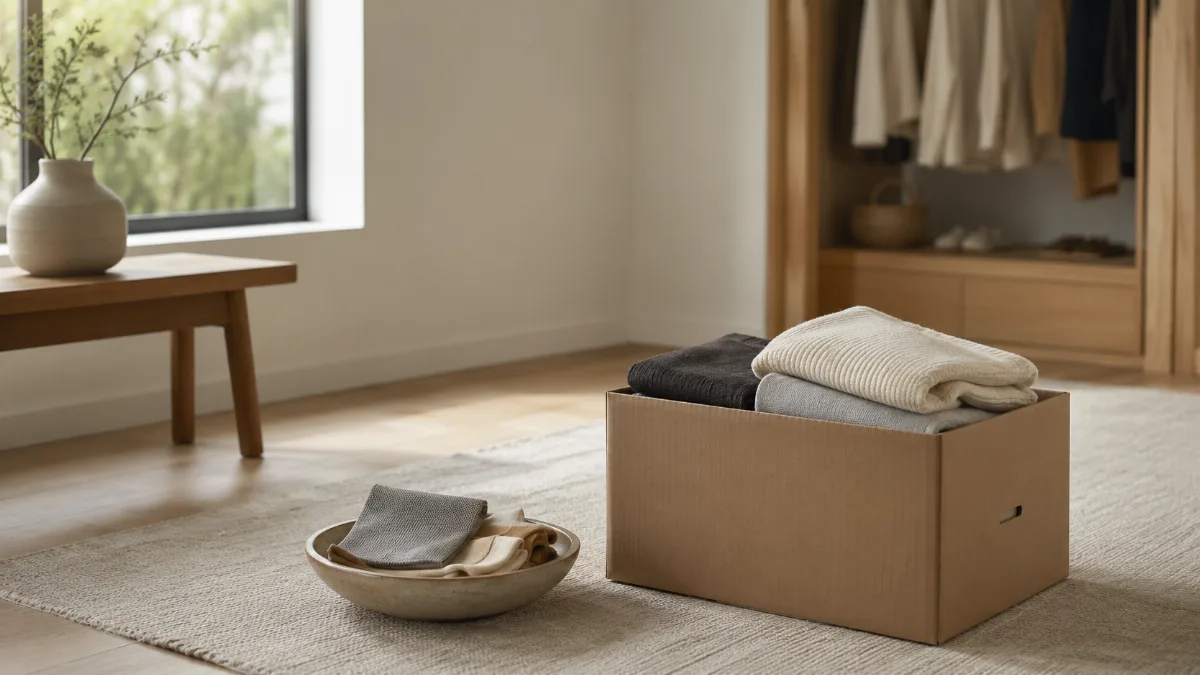
The Bedroom

Time needed: 2-3 hours

Why it matters: Your bedroom should be a sanctuary. Clutter disrupts sleep and peace.

What to declutter:

  • Clothes that don't fit
  • Worn or damaged items
  • Exercise equipment you don't use
  • Old magazines and books
  • Excess bedding
  • Items that don't belong in the bedroom

What to keep:

  • Clothes you actually wear
  • Current season items accessible
  • Quality bedding (2 sets maximum)
  • Items that promote rest

Organizing after:

  • Nightstands: lamp, book, charger only
  • Dresser tops clear or minimal
  • Closet organized by category
  • Under-bed storage only if necessary

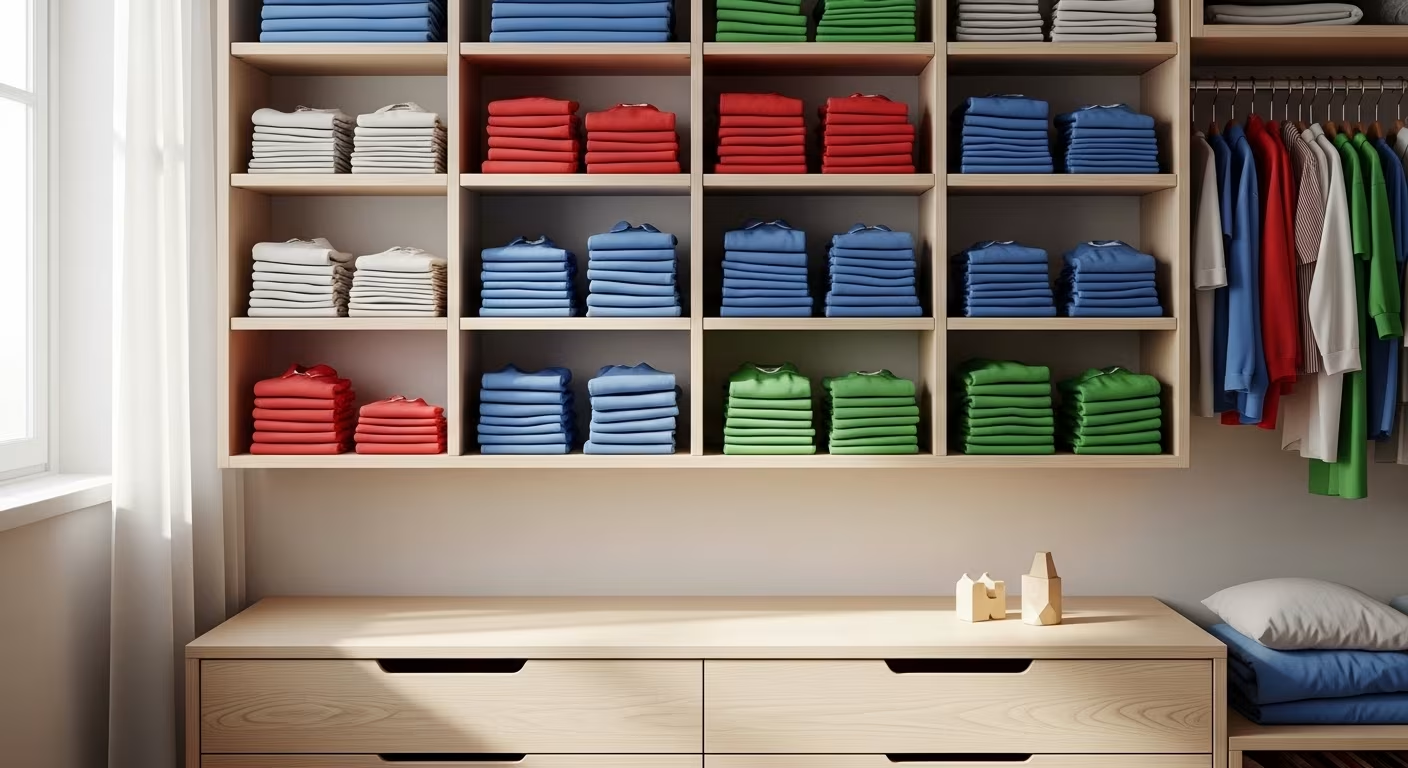
The Closet

Time needed: 2-4 hours

Why separate: Closets deserve focused attention. They're often the worst clutter zones.

The process:

  1. Remove everything
  2. Sort by category (shirts, pants, dresses, etc.)
  3. Evaluate each item individually
  4. Return only what passes your criteria

Questions for each item:

  • Have I worn this in the past year?
  • Does it fit my current body?
  • Does it match my current style?
  • Is it in good condition?
  • Do I feel good wearing it?

What often goes:

  • Aspirational sizes
  • Outdated styles
  • Uncomfortable items
  • Event-specific clothes never worn again
  • Gifts that aren't your style

The Living Room

Time needed: 1-2 hours

Why it matters: This shared space sets the tone for your home.

What to declutter:

  • Old magazines and newspapers
  • Books you won't read again
  • Excess decorations
  • Media you'll never use
  • Broken electronics
  • Games with missing pieces

What to keep:

  • Furniture you use
  • Entertainment you enjoy
  • Meaningful decorations (few, not many)
  • Blankets actually used

Organizing after:

  • Surfaces should be mostly clear
  • Storage contains only what fits
  • Media organized and accessible
  • Comfortable, not cluttered

The Home Office

Time needed: 2-3 hours

Why it matters: Office clutter creates mental clutter. Clear space helps clear thinking.

What to declutter:

  • Old paperwork (scan if needed)
  • Outdated technology
  • Excess office supplies
  • Books and manuals no longer relevant
  • Cords and cables for devices you don't own
  • Filing cabinet contents older than 7 years

What to keep:

  • Current work materials
  • Essential reference materials
  • Technology you use
  • Minimal, functional supplies

Organizing after:

  • Clear desk policy: only current project
  • Digital files mirror physical organization
  • Cable management solutions
  • Archive vs. active document separation

The Garage/Storage

Time needed: 4-8 hours

Why save for last: This is where things go to hide. You need momentum from other rooms.

What to declutter:

  • Broken items you'll never repair
  • Project supplies for abandoned projects
  • Duplicates of tools and equipment
  • Sports equipment no one uses
  • Boxes of "stuff" from moves
  • Items you forgot existed

What to keep:

  • Functional tools
  • Equipment used seasonally
  • Items with genuine future use
  • Properly stored keepsakes

Organizing after:

  • Group by category
  • Label everything
  • Accessible items in front
  • Create zones: tools, sports, seasonal, etc.

Kids' Rooms

Time needed: 2-3 hours per room

Special considerations: Involve children age-appropriately. This teaches valuable skills.

What to declutter:

  • Broken toys
  • Toys they've outgrown
  • Excess art supplies
  • Outgrown clothes
  • School papers (keep select items)
  • Duplicates

What to keep:

  • Current favorites
  • Age-appropriate items
  • Quality over quantity
  • Items that encourage creativity

The Decision-Making Process

When you can't decide, ask:

  1. When did I last use this?
  2. Would I buy this again today?
  3. What's the worst that happens if I let this go?
  4. Am I keeping this out of obligation?
  5. Does this fit the life I'm living now?

If you're still stuck, put the item in a "maybe" box. Store it for 30 days. If you don't retrieve anything, donate the whole box.

What to Do with Removed Items

### Donate

  • Items in good condition
  • Things others can use
  • Drop off promptly (don't store donations)

### Sell

  • High-value items worth the effort
  • Things with strong resale markets
  • Set a deadline: if not sold in 30 days, donate

### Trash

  • Broken or damaged items
  • Things no one else would want
  • Items not worth donation effort

### Recycle

  • Electronics (e-waste centers)
  • Textiles (fabric recycling)
  • Paper and cardboard

Maintaining Decluttered Spaces

Decluttering is not a one-time event. Maintenance required:

Daily: Put things back in their place

Weekly: Quick sweep of surfaces

Monthly: Address any accumulation

Seasonally: Review and remove what's no longer serving you

The one-in-one-out rule: For every new item entering, one item leaves.

Final Thoughts

Decluttering room by room transforms an overwhelming project into a series of achievable tasks. Each completed room builds momentum for the next. Each clear surface demonstrates that less really is more.

Start with one room. Finish it completely before moving on. The satisfaction of a decluttered space will fuel your progress through the rest of the house.