
How to Involve Your Children in Minimalist Home Maintenance
You know that feeling when you finally sit down, glass of wine in hand, and then you just see it? The Lego landmine under the coffee table. The crumbs under the high chair. The tiny sticky fingerprints on everything.
I used to spend my entire Saturday trying to 'catch up' on house stuff. Sweeping, wiping, putting things away... only for it to be a disaster again by Sunday morning.
It's like fighting a losing battle against tiny, adorable tornadoes. I've been there. Trust me, I still have days where I just stare at the mess and consider moving. 👋
But what if I told you there's a way to get those little hands to actually help? Not just make more mess, but actively contribute to keeping things tidy.
We're going to talk about how involving your kids in minimalist home maintenance isn't just about chores. It's about teaching them, making your life easier, and yes, maybe even getting five minutes of quiet.
Why This Actually Matters
Look, less stuff means less to clean. That's the core of minimalist living, right? But even with less stuff, little humans still generate an incredible amount of 'stuff' and, well, life.
Having your kids help out isn't about being a drill sergeant. It's about teaching them responsibility, fostering independence, and frankly, saving your sanity.
Imagine not having to nag constantly. Imagine walking into a room and not immediately feeling overwhelmed. That's the dream, and it's totally achievable, even if it feels impossible right now.
I remember one Saturday, after my son Leo turned three. I’d just spent two hours trying to organize his toy bin. He walked in, dumped it all out, and then asked for a snack.
My blood pressure probably went up 20 points that day. I realized I was doing it all for him, not with him. And that was a huge mistake that I needed to fix, fast.
It’s not just about the mess. It's about them understanding that this home? It’s our home. And we all take care of it. Even the smallest members.
This isn't just about getting a cleaner house. It's about building character, teaching life skills, and fostering a sense of belonging and contribution.
When kids feel like they're part of the team, they feel more valued. And honestly, less stuff to clean means more time for cuddles, parks, or that quiet glass of wine.
Laying the Groundwork: Minimalist Principles for Little Hands
Before we even think about assigning tasks, we need to talk about the 'minimalist' part of this equation. It makes everything else so much easier, I swear.
The less stuff you have, the less there is to clean, organize, and pick up. This isn't groundbreaking, but it's a truth bomb for busy parents drowning in tiny plastic.
If your kid's room is overflowing with toys, asking them to 'clean up' feels like asking them to climb Mount Everest. It’s too much for them, and honestly, too much for you too.
A minimalist approach means being intentional about what you bring into your home. It means regularly decluttering what’s already there.
This philosophy directly impacts how effectively your children can participate in home maintenance. Less overwhelm for everyone.
Decluttering as a Family Foundation
This is where it all starts. Before you ask them to clean, you need to make sure there's actually a place for everything they own.
Think about it from their perspective. If a toy doesn't have a designated spot, where do they put it? Usually, the floor. Then it just becomes part of the daily obstacle course.
We're talking about a system, not just random piles. A system that even a three-year-old can understand and, eventually, manage.
This doesn't mean your house has to look like a museum. It just means intentionality and clear boundaries for items.
- Fewer Toys, Clearer Minds - This is huge. When my kids had too many toys, they didn't play more; they just spread them out and got overwhelmed. Try the 'one in, one out' rule, or regular purges every few months. Fewer choices often lead to more focused play, and less mess.
- Defined Homes for Everything - Every single item needs a home. A bin for blocks, a shelf for books, a drawer for art supplies. When they know exactly where something goes, cleanup is a breeze. If it doesn't have a home, it's probably clutter.
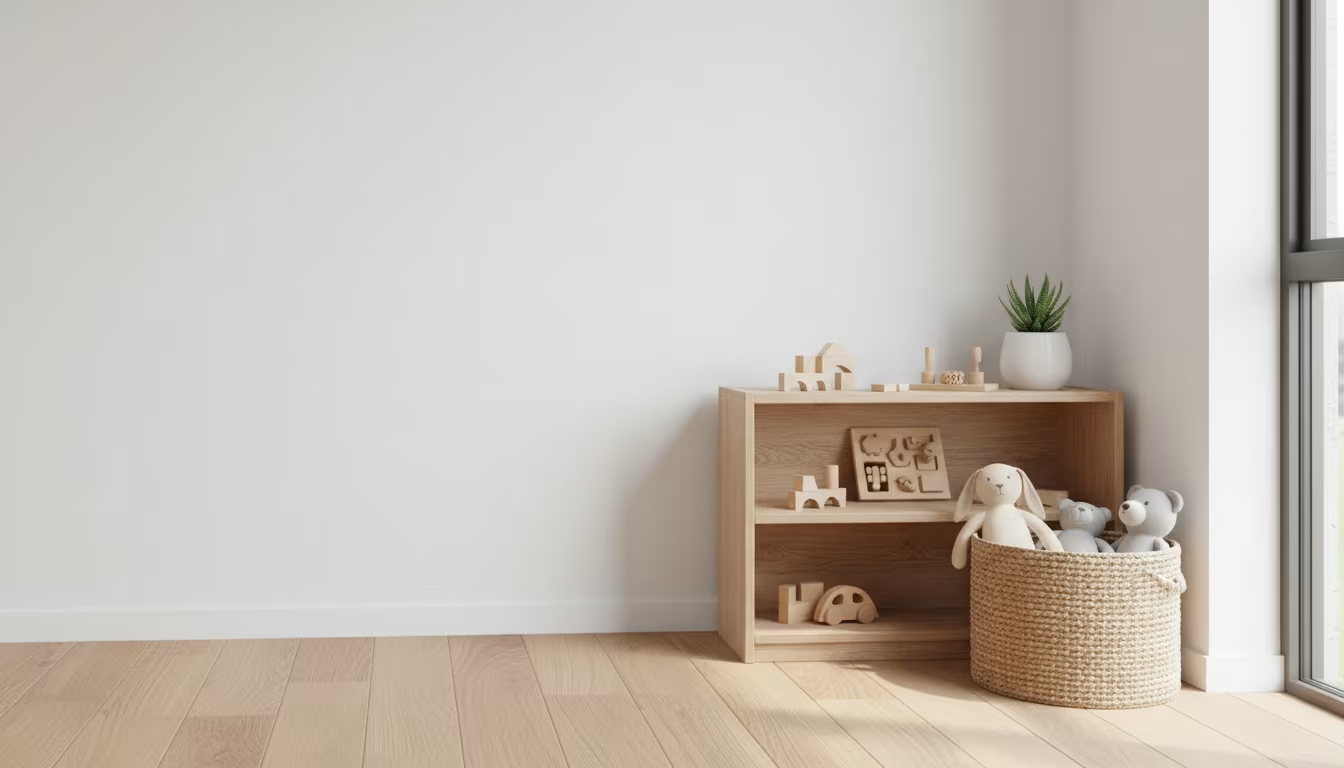
- Accessible Storage Solutions - Forget those high shelves that only you can reach. Put bins and baskets at their eye level. If they can reach it easily, they're more likely to use it, both for playing and for putting things away. Simple, open containers are your friend.
Seriously, go look at their playroom or bedroom with novel eyes. Is it easy for a kid to put things away? Or is it a jumbled, overflowing mess that even you can't navigate?
My daughter Penny's craft drawer used to be a war zone of dried-up markers and random glitter. Now, specific containers for specific items means she can actually clean it herself.
It sounds simple, but this foundational step is probably the most critical for long-term success. Don't skip it.
The "how-to": Practical Steps for Tiny Tidy-uppers
Okay, so you've decluttered. Their rooms aren't overflowing. Now comes the fun part: getting them to actually participate. And yes, it can be fun. Sometimes. I'm not gonna lie, other times it's a pain in the ass.
This isn't about perfection. It’s about building habits and making small contributions. Celebrate the effort, not just the outcome, especially in the beginning.
Remember, patience is a virtue, and wine is available after bedtime. You're going to need both.
Step 1: Start Small, Start Early
Don't wait until they're teenagers to spring chores on them. Even a toddler can 'help.' My daughter, Penny, started putting her blocks in a basket around 18 months, with lots of guidance.
It was slow, and sometimes more blocks ended up outside the basket than in, but she was learning the routine. The muscle memory starts early, even if it looks like chaos.
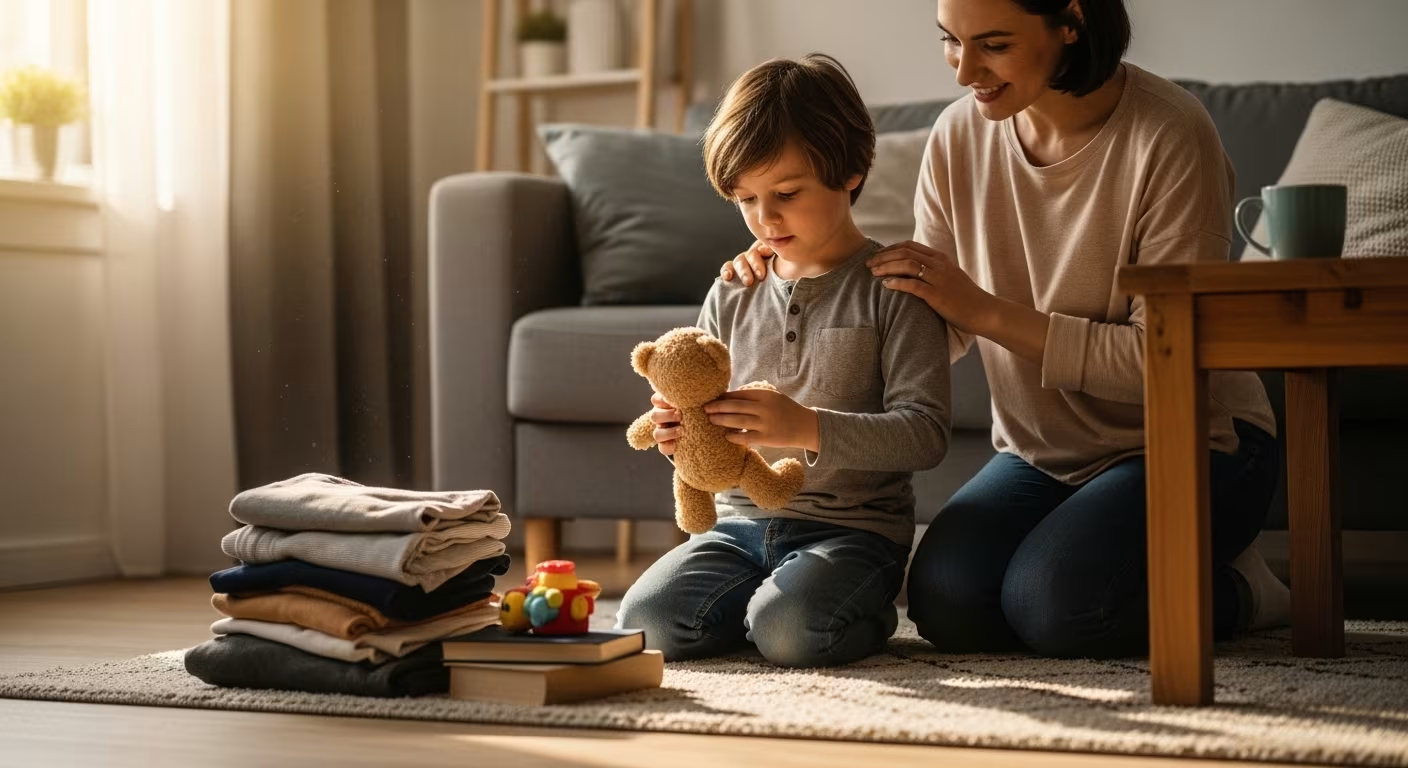
Think about one small task that's totally manageable for their age. Maybe it's putting their dirty clothes in the hamper. Or wiping their own high chair after a meal, even if it’s just with a damp rag.
For a two-year-old, it might be putting one specific toy in its bin. For a four-year-old, it could be taking their plate to the sink.
The key is consistency with that one small thing. Once they've got it down, you can slowly add another.
Step 2: Make It a Game (or a Song)
Kids learn through play, right? So turn cleanup into a game. "Let's see who can put away five blocks the fastest!" or "Can you find all the red toys and put them in the red bin?"
We have a 'cleanup song' we sing, and it seriously works wonders. It signals transition time and makes tidying feel less like a chore and more like a fun, expected activity.
Expect to be silly. Expect them to still wander off sometimes, mid-game. This isn't a magic bullet, but consistency with a playful attitude goes a long way in cooperation.
Sometimes, I'll even set a timer for five minutes and say, "Let's beat the timer and see how much we can clean before it buzzes!" The urgency and competition can be surprisingly motivating.
It’s about making it enjoyable, not a dreaded command. If you can make them laugh while they clean, you've pretty much won.
Step 3: Model the Behavior (they're Always Watching)
This one is huge, and often overlooked. You can't expect them to pick up their toys if your own stuff is scattered everywhere. They're little sponges, soaking up everything you do, good and bad.
When I'm putting away dishes, I'll say, "Mommy's putting away the clean plates now." Or "Time to fold these towels." Make your own contributions to the household visible and vocal.
Show them that home maintenance is just a part of daily life, not some giant, unpleasant task that only adults do when they're angry. Be the example you want them to follow.
If they see you consistently putting things back in their place, they're far more likely to adopt those habits themselves. monkey see, monkey do, right?
Even a small action, like putting your shoes away when you come in, speaks volumes. It reinforces the idea that everything has a home.
Step 4: Use Visual Cues and Checklists
Kids, especially younger ones who can't read yet, thrive on visual cues. Take photos of what goes in each bin and stick it on the outside. This removes all guesswork for them.
For older kids, simple picture checklists can be a game-changer. "Make bed," "put clothes in hamper," "put books on shelf." They get the satisfaction of checking things off.
You get a clear picture of what needs to be done without nagging. It reduces the need for constant verbal reminders, which can be exhausting for everyone involved.
My son Leo, who's five, loves using a magnet board with pictures. He flips them from 'to do' to 'done.' It gives him a sense of accomplishment.
These tools empower them to be independent, rather than just waiting for instructions. They become active participants in their environment.
Step 5: Daily Reset Rituals
This is probably my favorite strategy, and it’s a game changer. Instead of waiting for a weekly deep clean, we have daily 'resets.' Usually before dinner or before bed, sometimes both.
It's about 10-15 minutes where everyone, including my husband and I, pitches in to tidy up communal spaces. Clear the kitchen counter, put toys away, fluff pillows.
This prevents accumulation. It makes the 'big' cleanups so much lighter because you're never starting from absolute chaos. Consistency is key here, even on tired nights.
Even if it feels like just pushing things to the side, it creates a sense of order. When you wake up to a mostly tidy house, your day starts off so much better.
We usually put on some upbeat music during this time to make it feel less like a chore and more like a family activity.
Step 6: Involve Them in Bigger Tasks
Once they've mastered the small stuff, you can start involving them in slightly bigger household tasks. Think about what's age-appropriate and not too overwhelming.
My five-year-old can help wipe down the kitchen table after dinner. My three-year-old helps put groceries away (non-breakable items, obviously, unless you want a smashed avocado situation).
Let them feel like they're making a real contribution, not just picking up their own mess. It builds confidence and a sense of shared ownership in the home.
Maybe they help load laundry into the washing machine. Or assist with sorting socks. Even vacuuming with a handheld device can be a blast for some kids.
The goal is to involve them in the process of maintaining the home, not just cleaning up their toys. It shows them the bigger picture of family life.
Step 7: Talk About the "why" (age Appropriately)
Don't just tell them to do something. Explain why it matters, in terms they can grasp. "We put our toys away so no one trips and gets hurt in the dark."
"We wipe down the table so we have a nice, clean spot to eat our dinner tomorrow." Simple explanations that they can connect to a tangible benefit.
This helps them connect their actions to a purpose, moving beyond just "Mommy said so." It builds intrinsic motivation, which is way better than external rewards.
When they understand the reason behind a task, they're more likely to buy into it and complete it without argument.
It's about teaching them cause and effect, and that their actions have an impact on the shared living space.
Step 8: Praise Effort, Not Just Perfection
This is a big one, especially for us recovering perfectionists. Their version of 'clean' might not be your version. And that's totally okay, especially when they're little.
Focus on the effort: "Wow, you worked so hard putting those blocks away!" not "You missed three blocks over there, sweetie."
Positive reinforcement fuels motivation way more than criticism. If they feel constantly corrected, they'll just disengage and decide it's not worth trying.
Acknowledge their help, even if it's clumsy or incomplete. "Thank you for helping me clean up!" is so powerful.
Remember, we're building habits and a positive association with contribution, not training professional housekeepers. Lower your bar for "clean enough."
Keeping It Real: Making It Stick and Avoiding Pitfalls
Let's be honest, this isn't always rainbows and butterflies. There will be days when they flat-out refuse. Days when you just want to do it yourself to get it over with, because it's faster.
That's normal. Parenthood is messy, literally and figuratively. The goal isn't perfection; it's progress and building healthy habits over time.
You're not a failure if they don't immediately become tiny cleaning machines. This is a marathon, not a sprint, and there will be regressions.
Minimalist living with kids isn't about having nothing; it's about having enough and teaching our kids to care for what we have, together.
Don't beat yourself up when things don't go according to plan. Just reset, try again tomorrow, and maybe pour a slightly bigger glass of wine tonight.
Common Mistakes to Avoid
Expecting Too Much, Too Soon: You can't expect a two-year-old to organize an entire playroom. Break tasks down into tiny, manageable chunks. One toy, one bin, that's enough for a start.
Lack of Consistency: This is the killer. If you only enforce cleanup sometimes, they won't learn that it's a non-negotiable part of the routine. Stick with it, even on tired days. Consistency creates routine.
Making It a Punishment: Chores should be a contribution to the family, not a punishment for bad behavior. If "go clean your room!" is always screamed in anger, they'll associate it with negativity.
Not Decluttering First: Seriously, if there's no place for their things, you're setting them up to fail. Your starting point needs to be manageable for everyone. This is non-negotiable.
Doing It For Them: It's quicker, I know. I've done it a million times, especially when I'm tired. But every time you do it for them, you rob them of an opportunity to learn and contribute.
Over-Complicating Tasks: Keep instructions simple and direct. "Put the blocks in the blue bin." Not, "Can you please tidy up all these blocks neatly and arrange them by color?"
Ignoring Their Input: Sometimes kids have ideas about where things should go. If it makes sense and works for them, let them have a say. It gives them more ownership.
Avoiding these common pitfalls will save you a lot of frustration and make the process smoother for your entire family. It's about being proactive, not reactive.
Frequently Asked Questions
Focus on the intention and the learning. Guide their hands, praise the effort, and remember that practice makes, well, better, not perfect. It's about participation and building skills, even if it adds five minutes to your task.
Daily tidy-up, putting their clothes away, helping with dinner prep – those are expected parts of being a family, things we all do to live here. For bigger, extra tasks, like washing the car or a huge garage clean-out, then we might talk about allowance. It teaches them about earning while reinforcing that everyday living is a shared effort.
Sometimes a calm, consistent approach works best. "We tidy up before we have story time." No big arguments, just a clear consequence if they choose not to participate. Other times, a playful approach (like the cleanup song) or a timer works wonders. Don't engage in a power struggle every single time.
If it's taking longer than that, you probably have too much stuff, or the tasks are too complex for the age group involved. Keep it short, sweet, and consistent to avoid burnout for everyone, including you.
Is This Really Worth It for My Tiny Toddler? It Feels Like More Work for Me
I get it. It absolutely feels like more work in the beginning. It's faster to just do it yourself, every single time. And yes, you might have to re-do some things quietly later. But think of it as an investment.
You're investing in their independence, their sense of responsibility, and ultimately, your future sanity when they're older and actually capable. Those early, clumsy efforts pay off big time when they're older and truly contributing without constant prompting. You're building a foundation.
Maybe start with one or two small things everyone can agree on. Show, don't just tell, the benefits as you go. Compromise is key, but so is presenting a united front to the kids. If one parent isn't consistent, it undermines the whole effort.
The Bottom Line
Minimalist home maintenance isn't just about less stuff; it's about making the stuff you do have work for you, and teaching your kids to respect and care for it.
Involving them from a young age, consistently and playfully, creates habits that benefit everyone in the long run. It's about building a team, not just delegating chores.
You don't need to transform your entire household overnight. Just pick one small thing. One less toy, one daily five-minute tidy, one cleanup song.
You got this, mama. And your kids? They got this too, with your guidance. You're building a home, together. ❤️