
Decluttering With Kids: Age-Appropriate Tasks for Every Stage

I remember this one Saturday morning, my oldest was four, my youngest just a baby. I tripped over a broken toy car in the hallway, then nearly slipped on a stray sock in the living room. My kitchen counter was buried under artwork and sippy cups. I just stood there, staring at the chaos, and honestly, I wanted to cry. I felt like I was drowning in plastic and tiny shoes.

Sound familiar? You know that feeling, right? That overwhelming sense that your house is just...stuff. Kid stuff. So much kid stuff.

Today, we're gonna tackle that feeling head-on. We're talking about how to declutter with your kids, not just around them. We'll cover what they can actually do at different ages, without it turning into a full-blown meltdown (most of the time, anyway). Stick with me, because this isn't about having a magazine-perfect home, it's about getting some sanity back. 👋

Why This Actually Matters

Look, I get it. Adding "declutter with kids" to your already overflowing to-do list feels like a cruel joke. Especially when you could just wait until they're asleep and do it yourself, right?

I tried that. For years. I'd sneak around, bagging up forgotten toys and outgrown clothes. It was faster, for sure. But then the stuff just kept piling back up, and I was still the only one doing the heavy lifting.

Turns out, there's a damn good reason to get your kids involved, even if it adds a few extra minutes (or hours, let's be real) to the process. When they help declutter, they learn some seriously valuable stuff. Like, "my things take up space," or "I have choices about what I keep."

For me, it was a game-changer. I used to spend hours every weekend just tidying up. Now? We spend maybe 30 minutes a week, as a family, putting things back or deciding what to let go of. Those reclaimed hours mean more time at the park, or honestly, more time just sitting on the couch doing absolutely nothing. And that, my friends, is priceless.

What Even Is "Age-Appropriate Decluttering?"

Okay, let's be super clear here: we're not trying to turn your three-year-old into Marie Kondo. That's just gonna lead to tears (theirs, probably yours). Age-appropriate decluttering means giving your kids tasks that match their developmental stage.

It’s about building habits, not just getting rid of stuff. It’s about teaching them that their belongings are their responsibility, and that space is finite. We're talking about small, manageable steps that empower them, not overwhelm them.

Think of it as a life skill, like brushing their teeth or learning to read. It's something they'll carry with them. And honestly, it's way more practical than me having to rescue them from a mountain of college textbooks when they're 20.

Teaching Them Early: Why It's More Than Just Tidying

Before you even ask them to pick up a single crayon, remember this isn't just about a tidy room. It's about laying some groundwork for bigger lessons down the road.

It's messy, it's imperfect, and sometimes you'll just want to throw everything in a giant trash bag and be done with it. But hang in there. The long-term benefits are worth the short-term struggles.

My kids don't always love it, but they definitely understand that their choices impact our home. And that's a huge win in my book.

  • Respect for belongings: When kids actively participate in sorting and putting things away, they start to understand the value of their items. They also learn that everything needs a "home," and that too many things make it hard to find those homes.
  • Decision-making: Even simple choices like "Do you want to keep this train or donate it?" help build confidence and autonomy. It teaches them that their preferences matter, but also that decisions have consequences (like less space if they keep everything).
  • Empathy & Giving: This is a big one. Explaining that donated items go to other kids who might not have many toys can foster a sense of generosity. It shifts the focus from "getting rid of" to "sharing with others," which is a much softer sell.

How To Actually Do It: A Stage-by-Stage Guide

Alright, let's get into the nitty-gritty. Because "age-appropriate" sounds great in theory, but what does it actually look like when you've got a toddler clinging to a broken plastic spoon like it's a family heirloom?

It looks like patience. A lot of patience. And a few strategic moves on your part. Remember, we're building habits here, not just clearing out clutter for a single Instagram photo. This is about real life, real kids, and real messy homes.

Don't expect perfection, expect progress. And maybe a few laughs (or cries) along the way.

Step 1: The Toddler Tango (Ages 1-3)

This stage is all about "put away" and simple sorting. Your little one isn't ready for complex decisions, but they can definitely help with basic tidying. Think short bursts of activity, like 5-10 minutes max.

My three-year-old, Leo, loves putting blocks in the "block bin." We sing a silly song, and it becomes a game. He's not sorting colors yet, but he knows where those blocks belong. That’s a win.

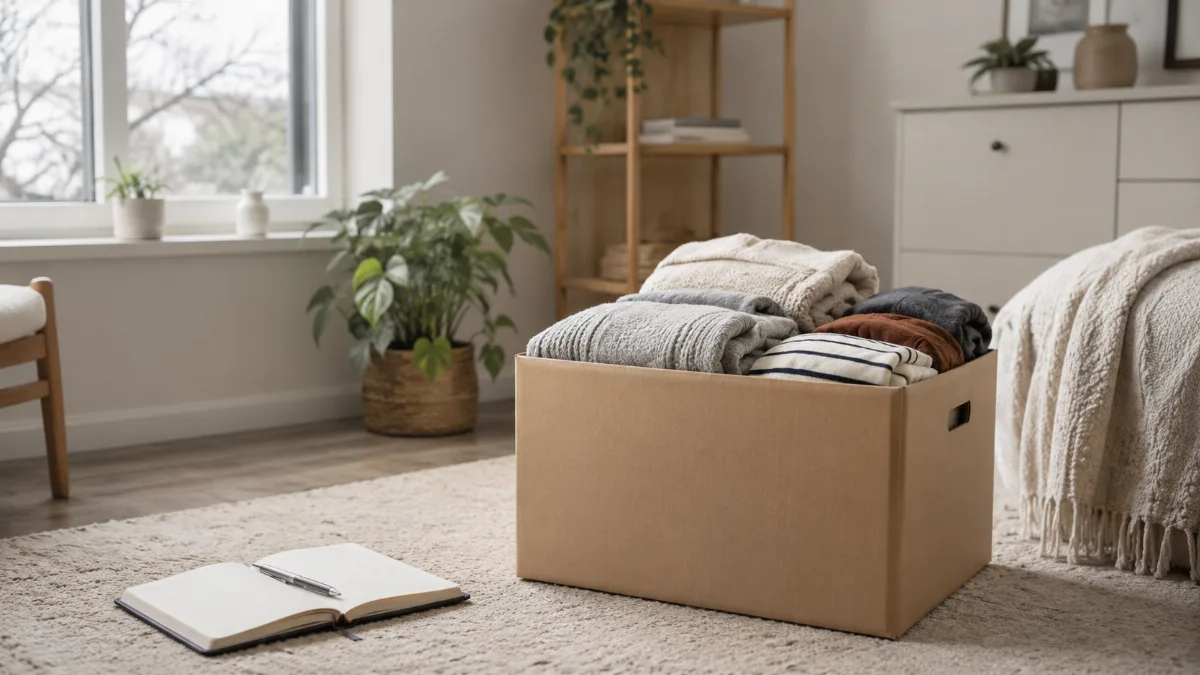
What to do: "Homes" for everything: Have clear, easily accessible bins or baskets for broad categories (e.g., "blocks," "animals," "cars"). Label them with pictures if your kid isn't reading yet. Guided tidying: Give simple, one-step instructions. "Put the red ball in the basket." "Give me the block." Limited choices: Instead of "What do you want to keep?", try "Do you want to keep this truck or this car?" Or better yet, just focus on putting things away that are already out. Rotate toys for them: They won't understand decluttering, but you can quietly put away 75% of their toys for a few weeks, then swap them out. They’ll "rediscover" old toys and you'll have less out at any given time. This is a lifesaver, trust me. Make it a game: "Let's see how fast we can put the stuffed animals in their bed!" (aka the stuffed animal bin). This makes it fun, not a chore.

What to expect: Short attention spans, tantrums when you try to take a beloved (but broken) item. Keep it super quick, low-stakes, and be ready to do most of the work yourself while they "help." It's more about exposure and routine right now.

Step 2: Preschooler Power (Ages 3-5)

Now we're introducing the idea of "donate" or "give away." Your preschooler has a better grasp of ownership and can start making simple decisions. This is where the magic (and sometimes the tears) happens.

When my daughter, Clara, was this age, she had about 10 million plastic animals. We’d pick up one, and I'd ask, "Do you love this one? Do you play with it often?" If she hesitated, I'd suggest, "Maybe another kid would love to play with this one even more?" It wasn’t always smooth sailing, but it opened up the conversation.

What to do: The "love it or leave it" game: Hold up one item at a time. Ask simple questions: "Do you play with this every day? Do you still love it? Does it make you happy?" Introduce the "donate" bag: Have a clearly marked bag or box for donations. Explain that these toys will go to kids who don't have many. Make it a positive act of giving. Focus on obvious discards: Broken toys, missing pieces, things they've completely outgrown or ignored for months. Start with the easy wins. Set limits together: "We only have space for five big cars in this bin. Which five are your favorites?" This teaches them about physical boundaries. One category at a time: Don't try to do the whole room. "Today, we're just doing stuffed animals." Or "Today, just books."

What to expect: Attachment to broken things or items they rarely use. They might change their mind after putting something in the donate pile. Be patient, gently guide, and don't force it too hard. It’s okay to put a few things back in the "keep" pile if it prevents a meltdown. We're building trust here.

Step 3: Early Elementary Engagement (Ages 5-8)

At this stage, kids can handle more independence and abstract concepts. They can start to understand the "one in, one out" rule and categorize things more effectively. This is where they really start to take ownership of their space.

Clara, now six, helps me with her clothes. When she gets new pajamas, we look for an old pair that's too small or worn out. "New ones in, old ones out," I say. She gets it. Sometimes she even initiates it, which feels like a damn miracle.

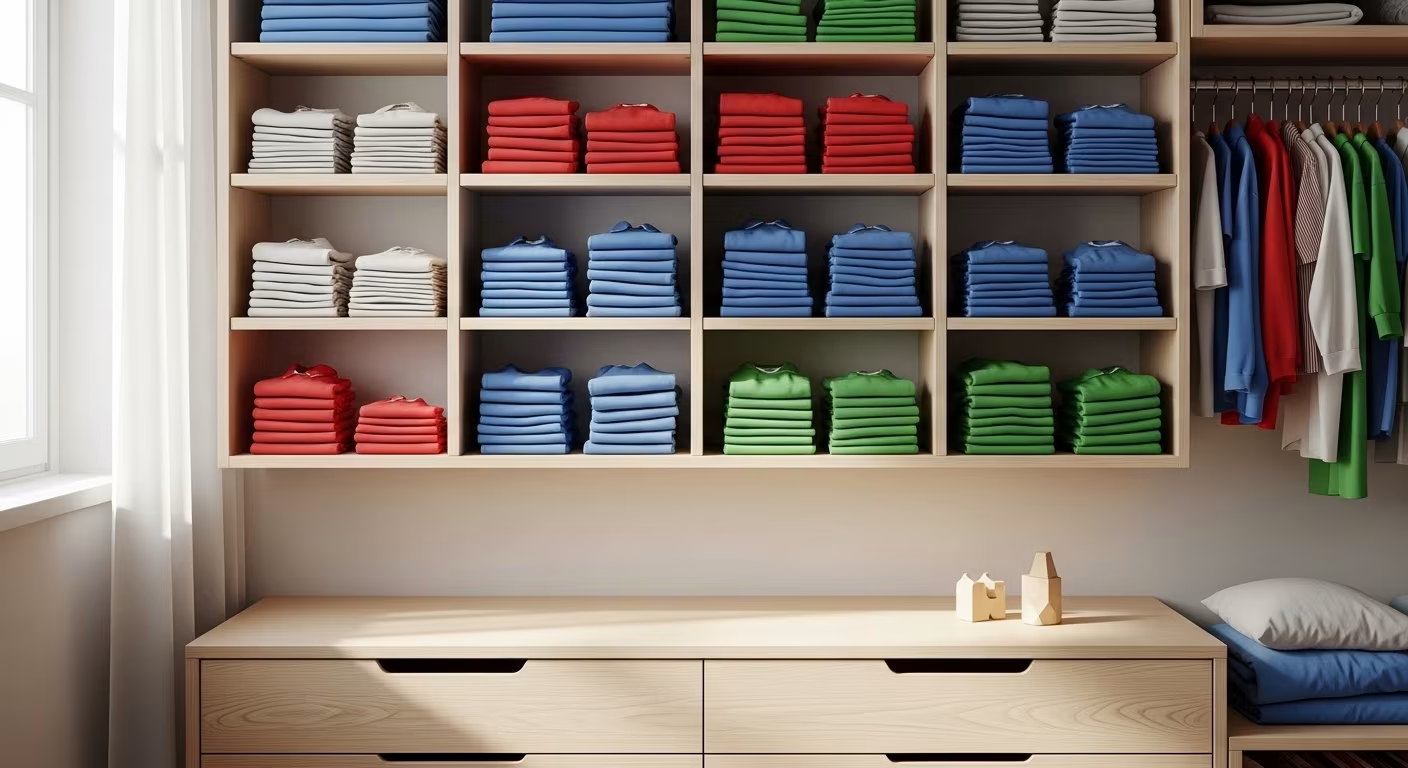
What to do: Introduce "one in, one out": When a new toy or item comes into the house, choose one similar item to donate or discard. This is huge for preventing accumulation. Categorize and sort: They can help sort Lego bricks by color, books by genre, or art supplies by type. Give them specific tasks within a category. Personal "decluttering zones": Assign them a drawer, a shelf, or a basket that is their responsibility to keep tidy and decluttered. Check in on it weekly. Seasonal clean-outs: Get them involved in swapping out seasonal clothes or toys. "Are these shorts still too big? Are these winter boots too small?" The "maybe" box: If they're unsure about an item, put it in a "maybe" box. Revisit it in a month. If they haven't asked for it or remembered it, it’s probably safe to donate.

What to expect: More sophisticated arguments for keeping things ("but I MIGHT play with it!"). They might try to negotiate. Be firm but fair, and reiterate the "why" (more space, easier to find things, helping others). Offer small rewards for a job well done, like extra playtime or a special treat.

Step 4: The Pre-Teen Purge (Ages 9-12)

This is where they can really take the reins. Pre-teens are capable of understanding the bigger picture and managing their own spaces with minimal supervision. The goal here is to foster autonomy and teach them about maintaining a functional space.

My niece, who is 10, recently decided her desk drawers were a disaster zone. She spent an hour with me, pulling everything out, deciding what she actually used, and creating homes for it. I just offered suggestions and kept her on track. It was her project, her space, and she felt super proud of it.

What to do: Their room, their rules (mostly): Give them primary responsibility for decluttering and organizing their own space. Discuss expectations, but let them lead the process. Bigger categories: They can tackle larger categories like clothes, books, electronics, or collections. Digital decluttering: Teach them about organizing files on a computer or photos on a phone. This is a skill they'll need forever. Discuss values: Talk about what "enough" means to them. Do they feel overwhelmed by their stuff? Do they appreciate what they have more when there's less? Give them a budget: If they want new things, they might need to sell some old ones. This teaches financial responsibility and the true cost of things.

What to expect: More independent work, but also more resistance if they feel you're trying to control their space. Respect their style and choices as long as their room isn't a biohazard. Guide, don't dictate. This is about them learning to manage their own environment.

Step 5: Regular Reset Rituals

Decluttering isn't a one-and-done event. It's an ongoing process. You gotta build it into your family's routine, just like doing laundry or washing dishes. Otherwise, the stuff monster will creep back, I promise you.

Every Friday evening, before screen time, we do a "Friday Five-Minute Frenzy." Everyone goes to their own space and puts away 5-10 things. It's quick, painless, and keeps the house from devolving into total chaos over the weekend. Sometimes it’s 15 minutes, sometimes it’s 3. The point is, we do it.

What to do: Daily "power pick-up": Spend 5-10 minutes before bed or a meal putting things back in their designated homes. Even toddlers can help with this. Weekly "deep dive": Dedicate 15-30 minutes once a week to tackling one specific area or category. Maybe it's the art supplies one week, the Lego bin the next. Seasonal "purge and rotate": Twice a year (spring and fall), go through clothes, seasonal toys, and sports equipment. This is a great time to involve everyone in bigger decisions. Calendar reminders: Put it on the family calendar! Make it a regular habit, not just something you do when you can't see the floor anymore.

What to expect: It won't always be perfect. Some days everyone will whine. But consistency, even if it's imperfect, is far more effective than trying to do a massive overhaul once a year and getting burned out. Small, regular efforts prevent big, overwhelming messes.

Step 6: The "Keep or Go" Question Game

Sometimes, kids just need a little framework to make decisions. Instead of just "Do you want it?", which can feel too broad, try a set of simple, guiding questions. This makes the process feel more objective and less like you're personally attacking their favorite lint-covered plushie.

When Leo is struggling to part with a broken toy, I'll hold it up and ask, "Does this work? Can you play with it how it's supposed to be played with?" Then, "Does this make you happy, or does it just sit in the corner?" It helps him process the logic (or lack thereof) behind keeping it.

What to do: "Does it work?": For broken toys, dried-up markers, clothes with holes. If it's not functional, it probably needs to go. "Do you use it?": Think about how often they interact with the item. Daily? Weekly? Never? If it's "never," it's a strong candidate for donation. "Do you love it?": This is for special, sentimental items. If it sparks joy (yeah, I said it, but with less intense conviction), and they truly love it, keep it. But be honest about "love" versus "mild affection because it's there." "Do we have too many?": For categories where they have multiples (e.g., 20 coloring books). Pick the best ones, let the rest go. "Does it fit?": For clothes, shoes, hats. If it's too small, it's gotta go. No point in keeping something they can't wear.

What to expect: Kids will inevitably try to apply their own definition of "love" or "use it." Be patient and guide them. The goal is to help them develop critical thinking about their possessions, not to trick them into getting rid of stuff. It's a skill that builds over time.

Making It Stick / Common Mistakes

You're not alone if you've tried this before and felt like you failed. Lord knows I have. My biggest mistake early on was thinking I could just do it all myself, or that a single decluttering session would magically solve everything. Spoiler: it doesn't. Not with kids.

Another common mistake? Overcomplicating it. We get caught up in finding the perfect bin or the ideal system. But honestly, the best system is the one you can actually stick to, even on your most exhausted days.

Decluttering with kids isn't about perfectly minimalist rooms. It's about teaching them life skills so they don't have to tackle 47 onesies when they're 34.

I used to get so frustrated when Clara would pull out every single Barbie accessory five minutes after we'd just put them all away. I thought, "What's the damn point?" But then I realized, the point isn't to prevent them from ever making a mess. It's to teach them how to recover from a mess. How to participate in putting things back. How to make choices about their belongings. It's a continuous lesson.

Don't fall into the trap of doing it for them all the time. Yes, it's faster. But it robs them of the opportunity to learn. It's like doing their homework for them – they might get an A, but they haven't learned anything themselves. So, resist the urge to swoop in and "fix" their mess every time.

And for the love of God, don't give up if it doesn't stick immediately. This is a marathon, not a sprint. Some weeks will be great, other weeks your kid will refuse to pick up a single crumb. That's life. Just pick back up the next week. Consistency, even when imperfect, wins in the end.

Frequently Asked Questions

My kid cries about everything. How do I get them to let go?
Oh, I feel this in my soul. It's so hard when they get emotionally attached to even a broken crayon. Start super small. Like, one broken toy at a time. Frame it as "giving it to another child who needs it" rather than "getting rid of it." You can also take a photo of the item as a memory before it goes, especially for bigger, sentimental pieces. Sometimes that's enough to ease their worry.

What if my spouse isn't on board with decluttering the kids' stuff?

Ugh, the spousal hurdle is real. You're definitely not alone. Instead of trying to convince them of the minimalist philosophy, focus on the practical benefits that impact them. "Less stuff means less for me to trip over," or "less cleaning for both of us." Show them the positive changes in your* areas first. Maybe suggest a "containment zone" for the kids' stuff that they can't let overflow. Baby steps, even for spouses.

How do I handle sentimental items they rarely use?
Ah, the "memory box" to the rescue! Designate one small box for each child (or one box for all, depending on space) for their truly sentimental items. Things like first shoes, special drawings, or that one beloved (but never played with) toy. Set a limit on the box size. Once it's full, if something new comes in, something old has to go. This teaches them that even sentimental items have space limits.
My kids just make a mess again five minutes later. Why bother?
Believe me, I've had this thought approximately 4,782 times. It feels like Sisyphus pushing that boulder uphill, right? But here's the thing: with less stuff, the mess is generally smaller and easier to clean up. And the act of cleaning, even if it's repeated, is building a skill. It's like doing dishes – you don't stop just because they'll get dirty again. You're teaching them personal responsibility, even if the results aren't always immediate or perfect. Keep at it, it does get easier over time.
Is it okay to declutter their things without them knowing?
This is a tricky one. For truly broken things, things with missing pieces, or things they haven't touched in literally months and are clearly forgotten – yeah, sometimes I just quietly make those disappear. We're moms, not martyrs. However, for anything substantial or potentially still loved, it’s always better to involve them. It builds trust and teaches them the decision-making process. Pick your battles wisely. If you purge too much without their input, you risk them feeling resentful or like their things aren't safe, which can make future decluttering harder.

The Bottom Line

Decluttering with kids isn't about perfectly pristine rooms or forcing a minimalist aesthetic on them. It's about teaching them valuable life skills: responsibility, decision-making, and respecting their space and belongings.

It’s going to be messy, imperfect, and sometimes you'll want to pull your hair out. But every small step you take, every tiny choice they make, is building a foundation for a calmer home and more capable kids. You got this, mama. Start small. Pick one drawer, one bin, one five-minute frenzy. ❤️