

How to Batch Task Your Food Prep to Reclaim Your Sunday
Oh, Sunday. It used to be this mythical day for me. A day of rest, you know?
Instead, I’d spend it doing laundry, scrubbing toilets, and then, invariably, staring into the abyss of my fridge at 4 PM, wondering what the hell we were going to eat for the next five days.
My brain would just short-circuit. Dinner felt like a pop quiz I hadn't studied for, every single night.
It's exhausting, right? That constant mental load of "what's for dinner?" It sucks the joy right out of your weekend, and then some.
Well, I figured out a way to cut that crap out. It’s called batch tasking your food prep, and it’s basically like giving your future self a giant, delicious hug. 🫂
Today, we're going to talk about how to get this done without making your Sunday feel like another workday. We'll cover why it's a lifesaver, how to actually do it, and how to avoid the common pitfalls that make people give up.
Ready to reclaim your Sundays for something other than kitchen dread? Let's dive in.
Why This Actually Matters
Okay, so maybe "reclaim your Sunday" sounds a little dramatic. But seriously, it's not.
Think about it: how much time do you currently spend each night figuring out dinner? Or rushing to the grocery store for that one missing ingredient?
For me, it was probably an hour of thinking, thirty minutes of frantic cooking, and then another twenty of cleaning up. Times five weeknights, that's nearly eight hours a week just on dinner prep and cleanup.
Eight damn hours. I could have read a book, played with my kids, or even just stared at a wall for that long and felt more rested.
Beyond the time, there’s the mental exhaustion. The decision fatigue is real, especially when you’re already running on fumes from work and parenting.
Having meals or at least meal components ready to go just lifts this huge weight. It’s not just about saving time; it’s about saving your sanity.
I used to swear at the pots and pans by Wednesday. Now, I’m pretty chill. Most nights.
It also saves you money, big time. When you have food prepped, you're way less likely to order takeout because you're too tired to cook. That was our biggest budget killer, honestly.
We were easily spending an extra $200 a month on impulse Seamless orders. That money is now going towards family adventures, which feels way better.
This isn't about being a perfect Martha Stewart, baking artisan bread and jarring your own pickles. It's about making your weeknights flow a little smoother, so you can actually enjoy them.
The Basics of Batch Tasking
So, what the heck is "batch tasking" anyway? Sounds a bit corporate, I know. But it’s actually really simple.
It just means doing similar tasks all at once, rather than spreading them out. Think of it like making a bunch of copies at once, instead of one at a time over several hours.
For food prep, this means dedicating a specific chunk of time – usually an hour or two on the weekend – to get a head start on your meals for the entire week.
Instead of chopping one onion for Monday’s dinner, you chop three onions for Monday, Tuesday, and Wednesday. Instead of cooking chicken breast on demand, you cook a big batch of chicken that can be used in different ways.
You’re not necessarily cooking full meals. Sometimes you are, but often you’re just preparing components. Things that take time and energy on a busy weeknight.
The beauty of this is that it drastically reduces the "active cooking" time during the week. Most weeknights become assembly jobs, not full-on cooking marathons.
It also helps you minimize cleanup because you’re making a mess once, rather than every single night. That alone is a huge win in my book.
What You'll be Prepping
When I first started, I thought I had to make full meals. Big mistake. Huge. That quickly led to burnout.
Now, I focus on the basics. The things that take the most time or are the most annoying to do mid-week.
- Proteins: Think roasted chicken breasts, ground turkey, hard-boiled eggs, or even cooked lentils. These are your building blocks for salads, wraps, pasta dishes, or quick stir-fries.
- Grains: Cook a big batch of quinoa, rice, farro, or pasta. These are perfect bases for bowls, sides, or mixing into soups. It takes the same amount of effort to cook one cup of rice as it does three.
- Chopped Veggies: This is a game-changer. Washing and chopping vegetables takes forever. Do it once. Onions, peppers, carrots, celery, broccoli florets – chop 'em up and store them.
It doesn't have to be fancy. It just has to be done. And ready for you to grab when hunger strikes or dinner panic sets in.
How to Actually do It
Alright, so you’re probably thinking, "Eleanor, this sounds great in theory, but how do I actually cram this into my already-packed weekend?"
I feel you. My weekends are a glorious chaos of soccer practice, playground visits, and attempting to fold laundry before it becomes a permanent fixture on the guest bed.
The trick is to be strategic and start small. Don’t try to prep every single meal for seven days right off the bat.
Pick a few things, nail those, and then build from there. You’ll be surprised how quickly you get into a groove.
Step 1: Plan Your Meals (loosely)
This is where it all begins. Before you do anything else, grab a piece of paper or open a note on your phone.
Think about what you generally eat for lunches and dinners for the next 3-5 days. You don't need a gourmet menu, just a general idea.
For example: Monday - chicken wraps, Tuesday - pasta with ground turkey, Wednesday - big salad with leftover chicken and quinoa. See? Simple.
I usually pick 2-3 proteins and 2-3 grains/sides that I can mix and match. It keeps things interesting without needing a hundred ingredients.
Don't forget to factor in any leftovers from your weekend cooking. Those are basically freebies for your prep.
Step 2: Inventory Your Fridge and Pantry
Before you make a grocery list, actually look at what you have. Seriously. This step saves me so much money and prevents food waste.
How many times have you bought another jar of marinara sauce, only to find three half-used ones hiding in the back of the pantry? Guilty as charged here.
Check for veggies that are about to go bad, meats in the freezer, and pantry staples. Build your meal plan around these items first.
It’s like a scavenger hunt, but the prize is not having to buy more stuff you already own. Plus, it gives you a clearer picture of what you truly need.
Step 3: Make a Super Specific Grocery List
Okay, now for the list. Based on your meal plan and inventory, write down everything you need. And I mean everything.
Don’t just write "chicken." Write "2 lbs boneless, skinless chicken breasts." Don't write "veggies." Write "1 head broccoli, 3 bell peppers (red, yellow, orange), 1 bag spinach."
Organize your list by store section if you can. Produce, dairy, meat, pantry. This makes your actual grocery trip so much faster and less chaotic.
My kids usually come with me, so efficiency is key. A well-organized list prevents those "oh shoot, I forgot the eggs!" moments and extra trips.
Step 4: Grocery Shop Like a Boss
Stick to your list! This is probably the hardest part for me, with all the tempting displays.
Try to go during off-peak hours if possible. Saturday morning is usually hell. Sunday evening or early morning often works better.
If you have the means, consider online grocery ordering or curbside pickup. It’s an extra cost sometimes, but it can save you hours and a primary headache.
I swear by curbside pickup on Saturday mornings. It frees up my brain space and lets me get straight to the fun part of the weekend (read: less active childcare).
Step 5: Pick Your Prep Time (and Stick to It)
This is your designated power hour (or two). Block it out in your calendar. Tell your partner, "Hey, I'm doing food prep for the next 90 minutes, wish me luck."
For me, it’s usually Sunday afternoon after lunch. The kids are playing, or maybe my husband has them out of the house for a bit. Find what works for your family rhythm.
Put on some good music, an audiobook, or a podcast. Make it feel less like a chore and more like a productive break.
Having a set time helps create a routine, which is key for making this a sustainable habit.
Step 6: Attack Your Produce First
When you get home from the store, don't just shove everything in the fridge. This is where the magic begins.
Wash all your fruits and vegetables. All of them. Seriously.
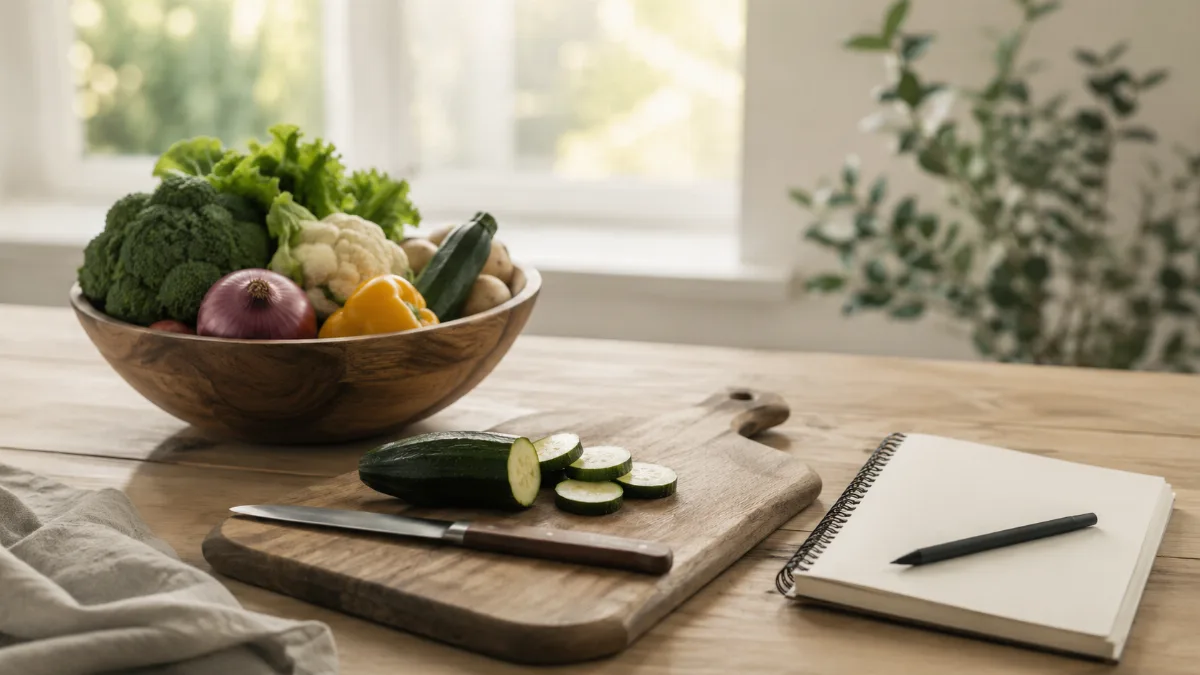
Then, start chopping. Dice those onions, slice the bell peppers, cut up the broccoli and carrots. Put them in airtight containers. This is the biggest time saver during the week.
Having pre-chopped veggies ready means you can whip up a stir-fry, add them to eggs, or toss them into a salad in minutes. It's truly glorious.
Don't forget the greens! Wash and dry your lettuce and spinach thoroughly. I use a salad spinner, then store them with a paper towel in a container to keep them fresh longer.
Step 7: Cook Your Grains and Proteins
While you're chopping, get some things cooking simultaneously. Multitasking is your friend here.
Start a pot of rice or quinoa. Roast your chicken breasts in the oven. Hard boil a dozen eggs. Brown a pound of ground turkey on the stovetop.
Don't be afraid to use multiple burners or your oven and stovetop at the same time. This is how you optimize your time and get more done in less time.
Once they're cooked, let them cool completely before storing them in separate airtight containers in the fridge. This prevents condensation and keeps them fresh longer.
Step 8: Assemble What You Can (carefully)
For some meals, you can do more than just prep components. Maybe you can make a big batch of soup or chili.
Or perhaps you can assemble individual salad jars for lunches, keeping the dressing at the bottom and greens on top to prevent sogginess.
I often make a big batch of overnight oats for breakfasts. Just assemble the ingredients in jars, and they're ready to grab-and-go in the morning.
Just be mindful of what will keep well. Anything with dressing or a sauce that can make things soggy might be better assembled on the day you plan to eat it.
Step 9: Clean as You Go (mostly)
I'm not going to lie and say I'm perfect at this, because I'm not. But doing a little bit of cleaning throughout your prep makes a huge difference.
Rinse cutting boards, put bowls in the dishwasher, wipe down counters as you go. This prevents a mountain of dishes from staring you down at the end of your prep session.
Your future self, the one who just spent 90 minutes chopping and cooking, will thank you for not leaving them with a disaster zone.
The goal is to feel accomplished, not defeated, when you’re done.
Making It Stick / Common Mistakes
Okay, so you’ve done it once. You’ve got a fridge full of prepped goodies. You're feeling like a damn superhero.
But how do you make this a regular thing? Because that first week is always the easiest. Real life usually sneaks back in.
One of the biggest mistakes I made was trying to do too much. I’d spend four hours on Sunday, meticulously prepping everything. By week two, I was burnt out.
So, here’s my number one tip:
Start ridiculously small. Prep one thing. Chop one onion. Cook one batch of rice. Celebrate that small win. You're building a habit, not competing in a cooking show.
Another pitfall? Expecting perfection. Your prepped food isn’t going to look like a Pinterest board, and that’s perfectly fine. It just needs to be edible and ready to go.
Don't fall into the trap of buying all the fancy containers right away either. Use what you have. Glass containers are great, but Tupperware works too.
Boredom is also a huge killer. If you eat the exact same thing every day, you’ll hate it. That’s why prepping components, rather than full meals, is so good.
Roasted chicken can be tacos on Monday, a salad on Tuesday, and mixed into a pasta sauce on Wednesday. Variety without extra effort.
Lastly, don't beat yourself up if you miss a week. It happens. Life happens. Just pick it up again next week. No guilt trips allowed here, okay?
This is about making your life easier, not adding another item to your "to-do or feel bad" list.
Frequently Asked Questions
Also, try to transform leftovers. That roasted chicken can become chicken salad, or go into a quesadilla. Totally different vibe, less like "day-old" food.
How long does this actually take?
For me, it’s usually an hour to an hour and a half, tops. That includes my loose planning, quick inventory, and the actual cooking time.
When you first start, it might take a bit longer, maybe two hours. But seriously, that’s two hours one day, versus 30-60 minutes every single night. The math works out, trust me.
Then, during assembly, you can offer them alongside a sauce or cheese that they like. It gives them options, and you’re not cooking three different meals every night.
If you find you’re really into it, then you can slowly invest in some uniform glass containers. But it’s definitely not a requirement to start.
Even just cooking a big batch of rice or quinoa. Do that one thing for a week or two, and see how much difference it makes. You’ll be hooked.
Overnight oats, pre-portioned smoothie ingredients (frozen in bags), or a big batch of muffins are great examples of breakfast batch tasks. Whatever causes you the most stress, start there.
Maybe an hour on Saturday and another hour on Sunday. Or half an hour after the kids are in bed on Sunday night. Find what works for your schedule, even if it's broken up.
Some things, like hard-boiled eggs, can last up to a week. Use your best judgment, and if in doubt, freeze it! Many prepped components freeze beautifully.
If you don't have one, a good sharp knife and a big cutting board are essential. But seriously, the food processor is a godsend for volume chopping.
The Bottom Line
Look, weeknights are chaotic. We're all just trying to keep tiny humans alive and fed, usually while we're starving ourselves and trying not to lose our minds.
Batch tasking your food prep isn't about becoming a chef or adding more to your already full plate. It’s about being smarter, not harder, with your time and energy.
It's about getting back a little piece of your weekend, and then some, so you can actually enjoy it. Even if it’s just 30 minutes of quiet reading after the kids are asleep.
So, start small. Pick one thing to prep this week. Chop those veggies. Cook that rice. See how it feels.
I bet you’ll feel a little lighter, a little less stressed, and maybe, just maybe, you'll actually get to sit down and enjoy a cup of coffee on your reclaimed Sunday. You deserve it. ❤️