
The Minimalist Guide to Decluttering Your Medicine Cabinet

Hey there, friends. 👋 Let’s talk about that secret shame lurking behind your bathroom mirror or tucked away in that deep linen closet.

You know the one. That overflowing abyss of half-used cold medicines, expired pain relievers, questionable ointments, and maybe even a few samples from your last doctor’s visit, circa 2019.

Mine used to be a disaster zone. A literal health hazard, probably. Every time I opened it, something threatened to tumble out and bean me on the head.

It’s not just a mess, right? It's a source of low-level anxiety. A silent testament to all the times you bought a new bottle of Tylenol because you couldn't find the old one, only to discover three half-empty versions later.

Sound familiar? You’re definitely not alone in this, mama.

Today, we’re going to tackle that beast. We’ll go through why it even matters, step-by-step how to get it done without losing your mind, and how to keep it that way.

It’s not about having an empty cabinet. It’s about having a cabinet that actually serves your family, safely and efficiently.

Why This Actually Matters

Okay, so it’s just a cabinet, right? A small space. What's the big deal if it’s a little messy?

The truth is, a cluttered medicine cabinet can be a real headache, and sometimes, a safety risk.

First off, safety. Kids are naturally curious, and those tiny hands can reach places you wouldn't expect. Having expired or unlabeled medications just lying around is a huge no-go.

I can’t tell you how many times I’ve panicked trying to find the children’s pain reliever at 2 AM, fumbling through a jumble of tubes and bottles, only to realize what I picked up was my migraine meds. Not cool when you’re half-asleep and stressed.

Then there's the waste of money. How many times have you bought a new bottle of allergy meds, swearing you didn't have any, only to unearth two more in the back of the cabinet a week later? Guilty as charged, absolutely.

I once found three brand new tubes of diaper cream. THREE. My youngest was already potty trained. That’s probably $20 right there, just wasted because I couldn't keep track of what I had.

Finally, there's peace of mind. When you open that cabinet, you want to see what you need, clear as day. No digging, no guessing, no anxiety.

It’s a tiny victory, sure, but those small moments of calm really add up when you're navigating the chaos of mom life. Knowing exactly where to grab that band-aid or antacid saves precious mental energy.

What Even Goes In There? (The Basics)

When I first thought about a "minimalist medicine cabinet," my brain immediately went to "empty." Like, just an empty box. Which, let's be real, is not practical for any family, let alone one with small kids.

The goal here isn't to purge everything until you're left with just a single box of bandaids. It's about intentionality. It's about having what you actually use and truly need on hand.

Think about what you reach for regularly. Your go-to pain reliever, the kids' fever reducer, basic first aid supplies like gauze and antibiotic ointment. That's the core.

It's also about understanding what shouldn't live in there permanently. Think about those "just in case" items that have been sitting there for years, gathering dust.

We’re aiming for a space that’s functional, safe, and easily searchable. A place where you can grab what you need without a scavenger hunt.

Beyond The Mirror: Where's Your "Medicine Cabinet" Really?
Okay, quick reality check. Is your "medicine cabinet" actually just one cabinet above the sink?

For most of us, especially with families, it’s probably a collection of spots. A small cabinet in the bathroom, a drawer in the linen closet, maybe a basket under the kitchen sink.

Before you even start decluttering, identify all the places where you stash medications and first aid supplies. This is crucial.

  • The Main Bathroom Cabinet - This is often the prime suspect for clutter, holding everything from toothbrushes to prescriptions.
  • Linen Closet Shelves/Drawers - Many families use these for overflow, especially for larger bottles or extra supplies.
  • Kids' Bathroom or Nursery Storage - Think specific kids' meds, extra diaper cream, baby nail clippers.
  • Kitchen Drawers/Cabinets - Sometimes basic pain relievers or antacids end up here for convenience.
  • Travel Kits/Purses - Don't forget those small emergency kits you might have stashed in bags.

Gathering all these items in one central location before you begin will prevent you from decluttering one area only to find a duplicate stash elsewhere. It’s like gathering all the laundry before you start a load.

This first step is usually a bit overwhelming, to be honest. You'll probably find way more stuff than you thought you had. Just breathe. It's going to be okay.

How To Actually Do It (The Nitty Gritty)

Alright, you've identified all your "medicine zones." Now, let's roll up our sleeves and get this done. Seriously, block out an hour, put on some music, and maybe bribe yourself with a coffee afterward.

Step 1: Empty Absolutely Everything Out

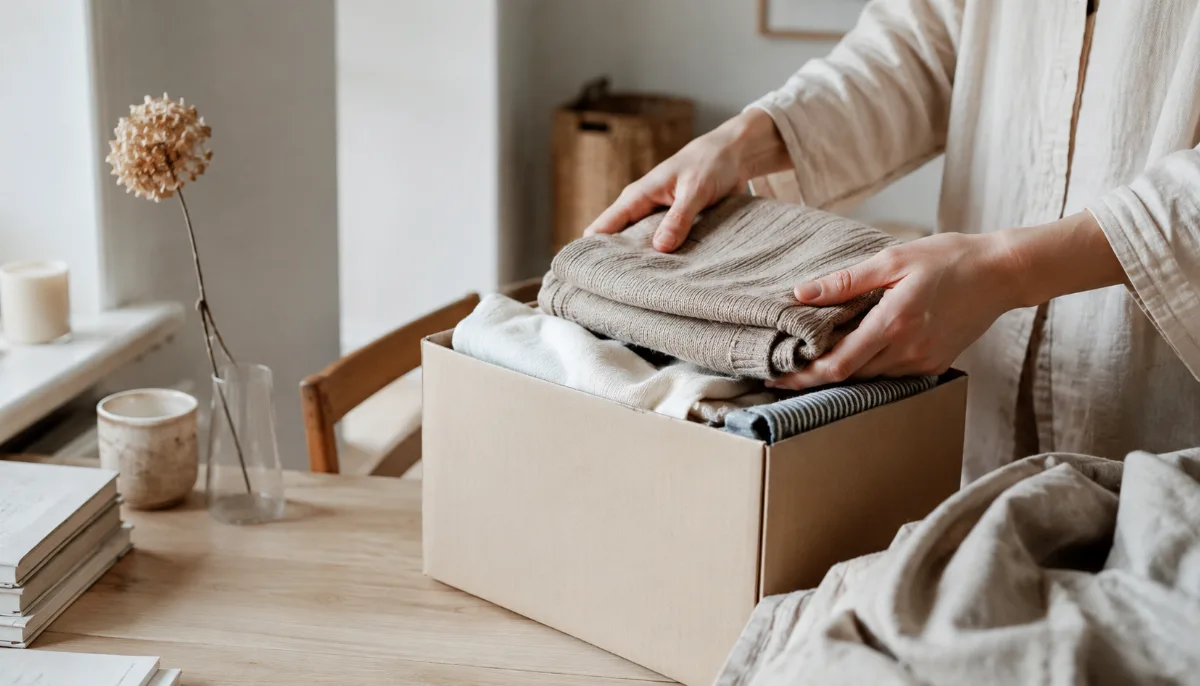
This is where the magic (and the mess) begins. Pull every single item out of all those locations you identified. Don't leave a single cotton swab behind.

Lay it all out on a clean counter or table. This "everything out" method is non-negotiable for a good reason. It forces you to see the true volume of what you have.

Prepare to be shocked. I found a tube of muscle rub from when I sprained my ankle in college. I'm 34. That thing was old enough to vote.

Step 2: Toss the Obvious Expired Items

Okay, with everything spread out, this step is pretty straightforward. Grab a trash bag (or better yet, a designated bag for proper disposal, more on that in a sec).

Go through every single item and check the expiration date. If it's expired, it's GONE. No exceptions. Period.

Expired medication loses its potency and can even become harmful. Don't risk it, especially with kids' meds. When in doubt, toss it out.

Step 3: Consolidate Duplicates and Orphaned Items

Now that the obvious expired stuff is gone, look at what's left. Do you have three opened bottles of ibuprofen, all half-full? Consolidate them into one bottle.

Are there single contact lenses floating around? Half-used travel-sized shampoos from a hotel five years ago? Tiny packets of something you can't even identify anymore?

Gather all those lonely items and ask yourself if you genuinely need them. Most of the time, the answer is a resounding "no." If it's an odd amount, just toss it.

Step 4: Sort into Broad Categories

With a clearer picture of what you have, start sorting. Think big buckets first. This will help you see patterns and identify what you truly need.

My go-to categories are usually: Pain Relief (adult & kids), Cold/Allergy (adult & kids), First Aid (bandaids, gauze, antiseptic), Digestion, Skin Care/Topicals, Prescriptions (current only), and "Other" (things like vitamins, specific supplements).

Use small bins or even just separate piles on your counter for this. It really helps to visualize.

Step 5: Question Every Remaining Item (The Hard Part)

This is where the "minimalist" part comes in. Pick up each item in your sorted piles and ask yourself:

  • Do I use this regularly? If it's a daily vitamin, yes. If it's a specific cream for a rash you had two years ago and haven't seen since, probably not.
  • Is it essential for emergencies? This includes things like a thermometer, basic first aid, fever reducers. Think about what you'd definitely need in a pinch.
  • Do I have a specific plan for it? If it's a prescription, is it current and still relevant? If it's a new product, do I intend to use it soon?
  • Do I have a better, simpler alternative? Maybe you have five different types of hand cream. Pick your favorite one or two and let the rest go.

Be ruthless here. If you haven't touched it in six months, a year, or longer, it's likely not serving you. Let it go. The goal isn't to be left with nothing, but to be left with only what you genuinely need and use.

Step 6: Proper Disposal is Key

Okay, you've got your "toss" pile. Don't just throw everything in the regular trash. Some medications can be harmful to people, pets, and the environment if not disposed of correctly.

Many communities have drug take-back programs or drop-off sites at pharmacies or police stations. This is the absolute best way to get rid of old meds.

If that's not an option, the FDA generally recommends mixing pills (not liquids or creams) with an unappealing substance like dirt, cat litter, or used coffee grounds. Put this mixture in a sealed plastic bag and then toss it in the trash. Always remove labels or black out personal info.

Check the FDA's website for specific guidelines, especially for any "flush list" medications, though those are rare now. When in doubt, call your local pharmacy for advice.

Step 7: Clean and Organize Your Space

Now that your cabinets and drawers are empty, give them a good wipe down. Seriously, mine are always gross. All those sticky residues and dust bunnies. Gross.

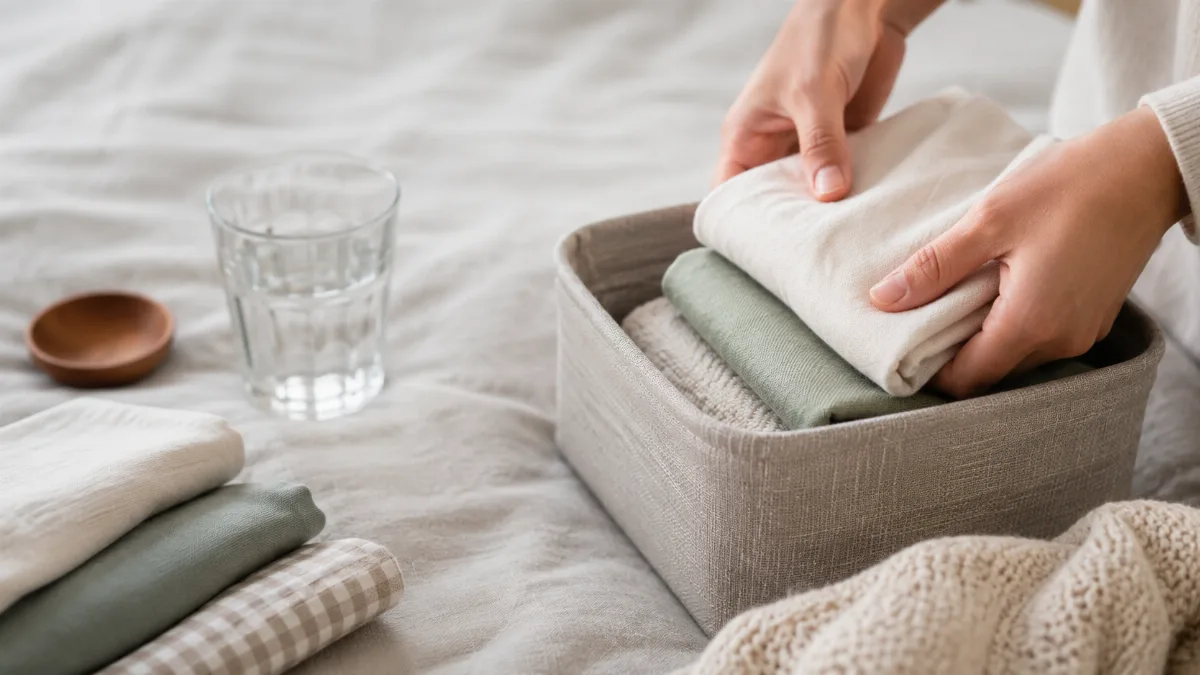
Once clean, think about how you want to put things back. You don't need fancy organizers. Simple clear bins or small baskets work wonders for grouping categories.

I like to keep kids' meds on a higher shelf, out of reach. Everyday items are at eye level. Rarely used but essential items (like a sprained ankle brace) can go higher or lower.

Keep frequently used items front and center. Less used items can go a little further back, but still easily accessible. Avoid stacking unless absolutely necessary.

Step 8: Restock Intentionally

Finally, put back only the items that made the cut. As you do, think about logic.

Keep all cold/flu stuff together. All first aid together. All pain relief together. If you have separate adult and kids' versions, group them but make sure they're clearly labeled and separated within their group.

This isn't just about putting things away. It's about creating a system that makes sense to you and your family. If it's easy to find, you're more likely to keep it organized.

Take a deep breath and admire your work. You just tackled a big one! Give yourself a pat on the back. Seriously. ❤️

Making It Stick / Common Mistakes

Okay, so you’ve done the hard work. It looks amazing. But how do you keep it from turning back into a disaster zone in six months?

This is usually where people slip up. Life gets busy, kids get sick, and suddenly you're stuffing new boxes wherever they fit.

One common mistake is buying "just in case" backups without checking what you already have. You think you're out of bandaids, buy a new box, only to find three half-used ones hiding. Before you buy anything, do a quick visual check.

Another pitfall is not having a designated place for new items. If a new bottle of Tylenol comes into the house, does it have an obvious spot? If not, it'll end up floating around, creating new clutter.

You also need a system for regular check-ins. You don't need to do a full overhaul every month. But maybe once every six months, do a quick scan for expired items and anything that's crept in.

Your medicine cabinet isn't a museum for forgotten remedies. It's a functional tool for your family's health.

Don't be afraid to involve your partner or older kids in the maintenance. Show them the new system. Explain why it matters. If everyone knows where things go (and where expired items don't go), it's much easier to maintain.

Also, resist the urge to buy those giant economy-sized bottles of everything unless you know you’ll use it all before it expires. Sometimes a smaller bottle is actually more minimalist in the long run if it prevents waste.

And for those specific medications you use for a very temporary illness (think antibiotics), make sure to dispose of them properly once the course is complete. Don't let them linger.

Frequently Asked Questions

What about prescription medications?
Current prescription medications that you are actively taking should absolutely be kept. However, once you've finished a course of antibiotics or no longer need a specific prescription, those need to be disposed of properly. Don't keep old prescription meds "just in case" unless your doctor specifically advises it.
Where do I put the overflow or less frequently used items?
If you have a linen closet or a higher shelf in a different closet, that's a great spot for less frequently used items. Think about things like extra boxes of gauze, a heating pad, or a backup thermometer. Just make sure it's still organized and clearly labeled so you can find it when you need it.
How often should I declutter my medicine cabinet?
A full overhaul like this? Probably once a year is plenty. However, it's a good idea to do a quick visual scan for expired items every three to six months. Just a quick check as you put something away helps prevent major build-up.

Is it okay to keep some "just in case" stuff?

Absolutely, within reason. We're moms, not robots. It's okay to have a few basic "just in case" items like motion sickness meds if you travel, or extra allergy meds if someone in your family suffers seasonally. The key is to distinguish between reasonable preparedness and hoarding items you'll never use.

What if my partner disagrees or wants to keep everything?
This is a common one, believe me. Start by focusing on the safety aspect – especially with expired meds and curious kids. Explain the benefits: less stress, saving money. Maybe compromise by having a small "their stash" drawer for their specific items, but set clear boundaries for shared family meds.
How long does this take?
Honestly, if you're pulling everything out of multiple locations, it could take anywhere from 45 minutes to 2 hours. It really depends on how much stuff you have and how quickly you can make decisions. Breaking it into smaller chunks (like one cabinet at a time) can help if you're short on time.
Is this worth it for just one tiny cabinet?
Yes, damn it, yes! It's never "just one tiny cabinet." It's about creating a ripple effect of calm and organization in your home. Plus, the safety aspect alone makes it 100% worth the effort. Think of it as investing in your future sanity.

The Bottom Line

Your medicine cabinet, no matter how small, has the potential to be a source of calm or chaos. By taking a little time to declutter it intentionally, you're not just organizing a space.

You’re ensuring your family's safety, saving yourself money, and reclaiming a tiny sliver of mental peace in the process.

Don't aim for perfection, just progress. Pick one cabinet. Set a timer for 15 minutes. Just start. You've got this.