
Hey there. 👋 So, let's talk about that low-grade hum of anxiety you sometimes feel scrolling Instagram, or after your kid comes home from a playdate all fired up about the latest "must-have" thing. You know the drill, right?

It’s that little voice whispering, "Am I depriving my kid? Should I just get it so they fit in?" Honestly, I get it. I’ve been there more times than I care to admit. Like when my daughter suddenly needed a specific limited-edition squishy toy, and her entire class was talking about it.

Today, we're gonna dig into how to navigate all that peer pressure – for both you and your kids – when it comes to trends and toys. We’ll talk about where this pressure even comes from, some real-life ways to handle it without feeling like a total meanie, and how to keep your sanity (and your house) a little bit clearer in the process.

Why This Actually Matters

You might think, "It's just a toy, Eleanor, what's the big deal?" But trust me, it's never just a toy. The pressure to keep up, to buy the latest and greatest, it slowly erodes your budget, your peace of mind, and eventually, your living space.

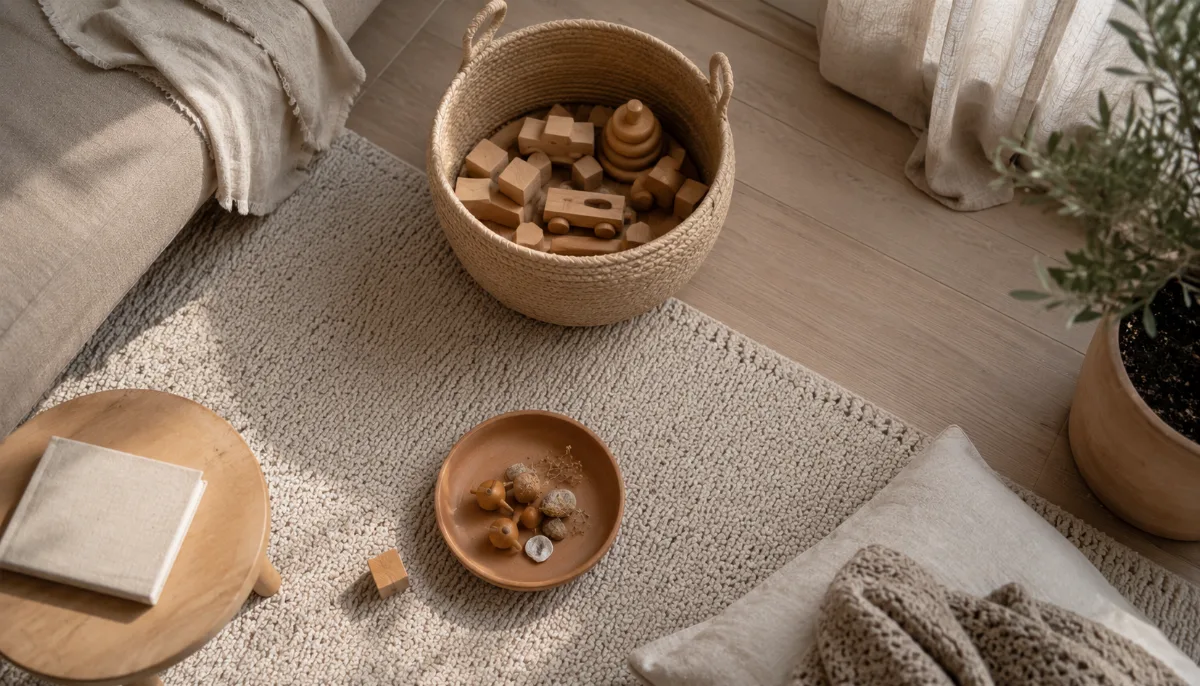
I still remember the crushing weight of toy clutter after my first son’s first Christmas. We had so much damn stuff, the living room looked like Santa's workshop exploded. He played with maybe three things consistently, and the rest just sat there, making me feel overwhelmed and guilty.

Think about it. The average American family spends hundreds, sometimes thousands, of dollars a year on toys. And for what? So half of it can gather dust in a basket, or end up in a landfill in six months? It’s not just about the money, though that’s a huge part of it for us.

It’s about the mental load. It’s about the constant cycle of wanting more, getting more, and still feeling unsatisfied. For me, clearing out that excess stuff meant less cleaning, less organizing, and more time actually playing with my kids, instead of just managing their toy collection.

When you learn to push back on this pressure, you're not just saving money or decluttering your home. You're actually teaching your kids incredible lessons about value, contentment, and resisting the urge to constantly chase the next shiny thing. That, my friend, is worth its weight in gold.

The Invisible Pressure Cooker

So, where does all this relentless pressure even come from? It’s not like there’s some secret society of moms judging your toy bin, right? Well, maybe not a secret society, but it definitely feels like it sometimes.

This pressure comes from so many angles, it can be hard to pinpoint. It feels like a constant hum in the background, a low-level anxiety that you’re somehow failing if your kid isn't decked out in the latest gear or doesn't have the trending toy everyone else is talking about.

It's not just your kid asking for something; it’s the collective energy of what "everyone else" is doing. And honestly, it's exhausting trying to keep up, even when you know in your gut it's a ridiculous race.

Where Does It Come From?

  • Playground Politics: This is a big one, especially once your kids hit preschool or kindergarten. Suddenly, they're exposed to what other kids have. "So-and-so has this amazing drone!" or "Did you see Liam's new Spider-Man action figure? It talks!" This isn't just kids comparing; it's a very real social dynamic. My own son, Leo, came home devastated because his friend had a new Nerf gun and he didn't. It felt like the end of the world to him, and honestly, it stung me a little too.
  • Social Media Scrolls: Oh, the highlight reel. We've all seen those perfectly curated Instagram feeds showing pristine nurseries overflowing with the latest educational toys, or kids in designer clothes playing with the newest tech gadgets. It's so easy to scroll through that stuff and feel like your own life, your own choices, fall short. It’s a constant visual reminder of what you could have, or what your kids could be playing with, making you feel inadequate even when your reality is perfectly fine. That constant stream of "perfection" is a hell of a mind game.
  • Grandparent Good Intentions (and Other Relatives): Bless their hearts, they just want to spoil the grandkids. My mom, for example, loves to buy the biggest, loudest, most flashing-light-heavy toy she can find. She thinks it's a gesture of love, and it is! But it can completely derail any minimalist efforts you're making. You end up with duplicates, things that don't fit your values, and a whole lot of extra stuff you didn't want or need. It's tough to say no to that kind of love, believe me.
  • Clever Marketing: These toy companies aren't stupid, right? They spend millions figuring out how to get into the heads of both kids and parents. They create scarcity, limited editions, "blind box" surprises, and tie-ins with popular movies or TV shows. They market directly to kids through YouTube and games, planting the seeds of desire early. Then the kids nag, and parents, exhausted and wanting to make their kids happy, often cave. It’s a multi-pronged attack on your wallet and your peaceful home.

Understanding these sources helps, right? It means it's not just you struggling. It's a system designed to make you feel like you always need more. Once I recognized that, it was easier to step back and not take it all so personally.

How To Actually Do It: Your Toolkit for Toy Sanity

Okay, so we know this stuff gets under our skin. It's a real problem. But how do we fight back without becoming total Scrooges or turning our kids into social outcasts? It's a delicate balance, and it takes some intentional effort. It's not always easy, but damn, it’s worth it.

These aren't magic bullets, I'm warning you now. This is a practice, a muscle you build over time. You'll mess up. I still mess up. But the more you try, the easier it gets to hold your ground and feel good about your choices.

Step 1: Get Clear On Your "Why"

Before you can say no to anything, you need to know why you're doing it in the first place. What are your family's core values when it comes to stuff? For us, it’s about valuing experiences over possessions, fostering creativity with open-ended play, and reducing clutter to reduce stress.

Write it down. Talk about it with your partner. This "why" becomes your north star when things get tough. It's the reason you can look your kid in the eye and say, "We don't buy every new toy, because we'd rather spend our money on that camping trip we planned," or "We keep our toys limited so we have more space for family dance parties."

Having that obvious reason in your head makes it so much easier to stand firm. It grounds you. I almost bought a ridiculous amount of slime supplies once, just because my daughter begged, but then I remembered how much I hated finding dried slime on the carpet and the "why" kicked in. My peace was worth more than a momentary slime fix.

Step 2: Have the "Stuff Talk" with Your Kids

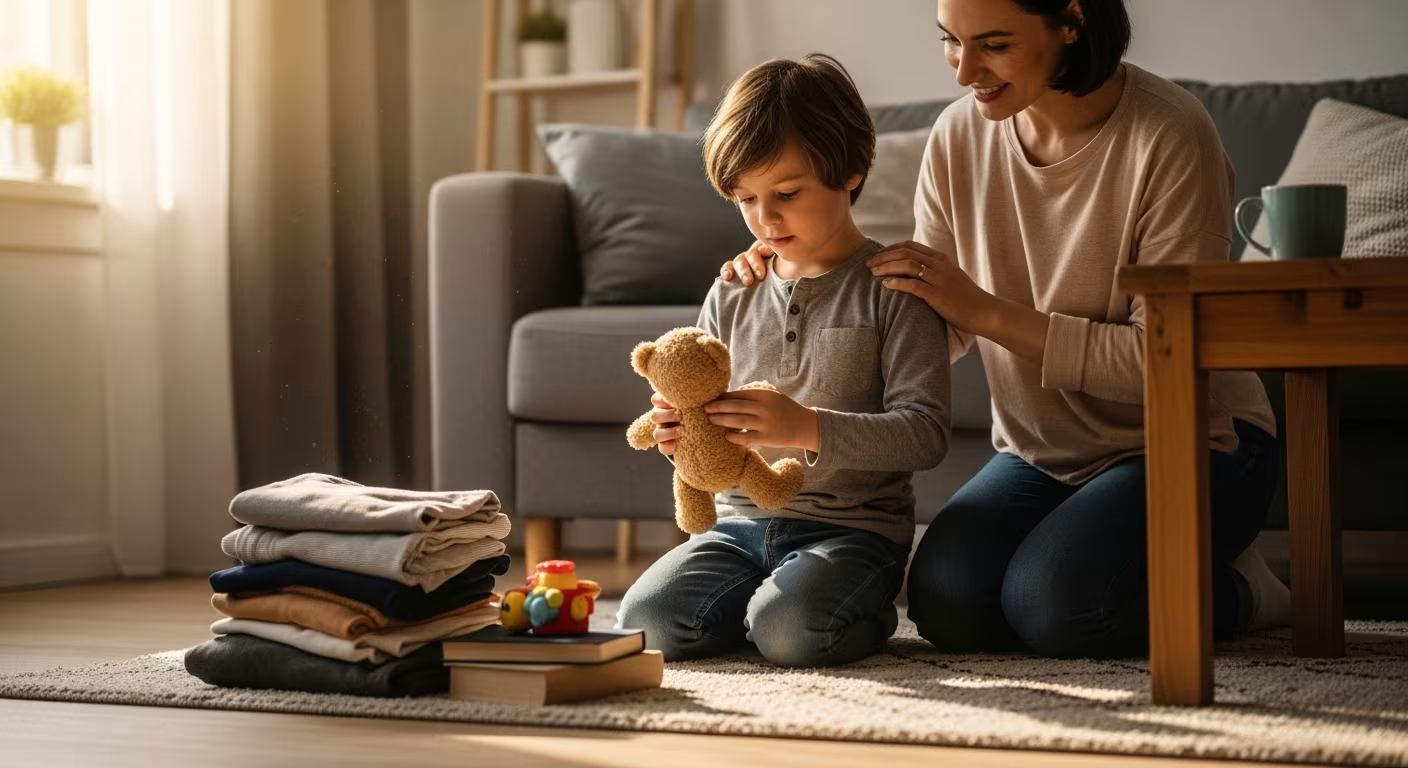
This isn't a one-time lecture; it's an ongoing conversation you have with your kids as they grow. Start early, even when they're little. Explain that different families have different rules, and that's okay.

For older kids, you can talk about marketing, how companies try to convince them they need things. "Did you see that commercial? What do you think they want you to do?" Empower them to recognize these tactics. My son, Leo, is starting to get it now, sometimes even pointing out "tricky ads" on TV, which makes me damn proud.

You can say things like, "We already have a lot of fun things to play with at home," or "We're saving our money for something special." Expect initial resistance, maybe even some tears or a dramatic sigh. But over time, they will adapt and understand. It’s a slow burn, not an instant fix.

Step 3: Set Boundaries with Well-Meaning Relatives

Oh, the dreaded relative conversation. This is probably the hardest one, because it involves people you love and who mean well. But you have to protect your home and your values. Start by being proactive, especially around birthdays and holidays.

Instead of a huge list of toys, suggest experience gifts: zoo memberships, museum tickets, gift certificates for a play place, or even just money towards a specific family trip. Ask for consumable gifts: art supplies, favorite snacks, bath bombs, craft kits.

You can also create a small, curated wish list of specific items that do align with your values – maybe a classic board game, a quality art set, or a book series. Frame it gently: "We're really trying to keep clutter down, so if you're looking for ideas, these are things we know they'd love and use." I still send a very polite email a month before Christmas with suggestions, and a little note about our limited space. It usually works, mostly.

Step 4: Master the Art of Deflection and Delay

When your kid inevitably asks for the latest must-have item, don't immediately say yes or no. Use deflection and delay tactics. This buys you time to think and often lets the immediate "gotta have it" feeling pass.

"That looks cool, let's put it on your birthday list for next year." "Hmm, let me think about that. We can talk about it more tomorrow." "We have a lot of things that do something similar, let's see what we can create with what we already have." Sometimes, a week later, they've forgotten all about it.

It teaches them patience, too. They learn that instant gratification isn't always the answer. It also gives you a chance to see if it's a fleeting trend or something they truly have sustained interest in. If they're still talking about it a month later, maybe it's something worth considering for a special occasion.

Step 5: Embrace Creative Alternatives (or Re-Imagine What's "Cool")

Instead of buying the toy, can you recreate the experience? If it's a crafting trend, can you use existing art supplies to make something similar? If it's a specific playset, can you build something similar with blocks or recycled materials?

Shift the focus from owning the thing to experiencing the activity. "Instead of that specific building set, what if we spent the afternoon building an epic fort in the living room with blankets and pillows?" Or, "That seems like fun, let's go to the library and see if they have a book about it, or something similar we can try."

My kids went through a huge "slime" phase. Instead of buying every new slime kit, we made our own with basic ingredients, and it was a fun science experiment and sensory play. They didn't miss the specific brand names; they just wanted the ooey-gooey fun. Sometimes, what they want is the feeling the toy provides, not the toy itself.

Step 6: Curate Your Social Media Feed

This is a big one for your peace of mind. Unfollow accounts that make you feel inadequate, that constantly showcase new products, or that promote a lifestyle that doesn't align with your values. If it makes you feel bad about your choices, hit that unfollow button, no guilt necessary.

Seek out accounts that inspire you to live simply, embrace imperfection, or offer creative ways to use what you already have. Follow other minimalist moms, decluttering experts, or people who share budget-friendly ideas. Fill your feed with positivity and validation, not constant comparison.

I did a massive purge of my Instagram feed last year, and it felt like lifting a weight. Less noise in my digital space meant less noise in my head. My brain doesn't need that constant stream of "you're not doing enough," honestly. It’s a game changer for your mental health.

Step 7: Build Your Village (Find Your People)

It's so much easier to stick to your values when you're not doing it alone. Connect with other parents who also value simplicity, creativity, and experiences over endless stuff. This could be local moms, online communities, or even just a few trusted friends.

Share your struggles, exchange ideas, and celebrate your wins together. Having a support system helps validate your choices and gives you confidence to keep going when the pressure mounts. You can even organize toy swaps or book exchanges with your friends to keep things fresh without buying new.

Knowing that other moms are navigating similar challenges, and making similar choices, makes you feel less like an outlier and more like you’re part of a movement. It builds collective strength, and trust me, you're going to need that when the next viral toy hits the shelves.

Making It Stick: Avoiding the "Oops, I Did It Again" Trap

It’s easy to get motivated and make a bunch of changes, only to find yourself slowly sliding back into old habits. The "Oops, I Did It Again" trap is real. It usually happens when you're tired, stressed, or just feeling guilty. One small concession here, another "just this once" there, and before you know it, you’re back to square one.

What trips people up? Often it's guilt during holidays, wanting to make up for something, or just plain exhaustion. Sometimes, it’s seeing another kid with something cool and thinking, "Well, maybe just this one little thing." But those "one little things" add up fast.

To avoid this, you need regular check-ins with your "why." Remind yourself and your family of your values. Have open conversations when you feel the pull of a new trend. And be kind to yourself when you do slip up. It's not about perfection; it's about progress.

Your home isn't a museum for forgotten toys. It's a living space for real life.

Frequently Asked Questions

Won't my kids feel deprived if they don't have trendy toys?
This is a huge fear, and it’s valid. In the short term, yes, they might feel a pang of disappointment or envy. But kids are incredibly adaptable. What they gain – more space, less overwhelm, more creative play, valuing experiences – far outweighs that fleeting feeling of deprivation. My kids are happy, well-adjusted little humans, and they definitely don't have every popular toy out there.
How do I deal with judgmental comments from other parents?
Honestly, you don't owe anyone an explanation. A simple, "This works for our family," or "We're trying to keep things simple around here," is usually enough. People's comments often come from their own insecurities, not a genuine concern for your child. Focus on your own peace and the choices that are right for your household. You do you.
What if my kid's friends have all the cool stuff?
This is tough for kids. Validate their feelings. "I know it feels hard when your friends have something you want." Then, pivot. Talk about different family rules and priorities. Remind them that true friendships aren't built on possessions. Their friends like them for them, not their toy collection. Focus on the joy of playing with friends, not playing with their friends' stuff.

Is it okay to buy some trendy items?

Absolutely! This isn't about rigid rules or deprivation. It's about intentionality. If there's a specific trendy item your child truly wants, and it genuinely brings them joy and aligns with your family's budget and values, then go for it. The goal isn't zero trendy items; it's being mindful and avoiding the avalanche of impulse buys that quickly become clutter.

How long does it take for kids to get used to having less?
Don't expect overnight miracles. It's a gradual process. For younger kids, it might take a few weeks of consistent redirection and conversations. For older kids who are more aware of social dynamics, it might be a few months of reinforcing your family's values. Consistency is key, and it gets easier over time as they learn to appreciate what they have and find joy in other things.
What if my spouse isn't on board with limiting toys?
This is a common hurdle. Start by focusing on the benefits for everyone: less mess, less stress, more money for other things, easier cleaning. Maybe propose a small experiment, like a toy rotation for a month, or decluttering just one category of toys. Show, don't just tell. When they see the positive impact firsthand, they might become more open to the idea. Communication and compromise are essential here.

The Bottom Line

Navigating the peer pressure around trends and toys is a challenge, no doubt about it. It requires conscious effort, consistent conversations, and a whole lot of grace for yourself and your kids. But choosing intentionality over impulse, prioritizing peace over perfection, and focusing on connection over consumption? That's a damn good way to live.

You’re not just saying no to a toy; you’re saying yes to less stress, more meaningful play, and a home that feels like a haven, not a storage unit. Start small, have those conversations, and remember your "why." You got this. ❤️