
The Best Neutral Paint Colors for a Calm Minimalist Home

I remember standing in the paint aisle, pregnant with my second, staring at a wall of what felt like a million shades of "white." My first kid's nursery was a total Pinterest fail, covered in too many patterns and a wall color that screamed "overstimulated." I swore I wouldn't make that mistake again.

My brain felt like scrambled eggs most days. The last thing I needed was my home adding to the visual noise. That's when I really leaned into the idea of a calm, minimalist aesthetic, starting with the walls.

If you've ever felt overwhelmed by color choices, or if your current walls just make you feel… restless, you're in the right place. We’re gonna talk about the magic of neutral paint colors. And no, it’s not just boring beige. Promise. 👋

Why This Actually Matters

You know that feeling when you finally get the kids to bed, the house is quiet, and you just want to sit down and breathe? But then you look around and see a riot of colors, toys everywhere, and visual clutter? It's damn hard to relax in that, isn't it?

For me, choosing neutral paint colors wasn't just about aesthetics. It was about creating a sanctuary, a quiet backdrop that actually helped calm my very overactive mom brain. Less visual chaos means more mental calm, plain and simple.

I used to think my home needed bright pops of color everywhere to feel "happy." My first living room was painted a cheerful, but ultimately exhausting, sunshine yellow. It always felt like my house was yelling at me, even when no one else was.

After switching to a soft off-white, I noticed a huge shift. The space felt bigger, brighter, and like it was actually inviting me to chill out. It literally felt like I could take a deeper breath when I walked into the room. It’s wild what a little paint can do for your overall vibe.

The Basics of Neutral Paint (and why it's not boring)

Okay, so "neutral" sounds a little… bland, right? Like a waiting room at the dentist. I get it. I used to think that too. But honestly, it's the opposite of boring when you do it right.

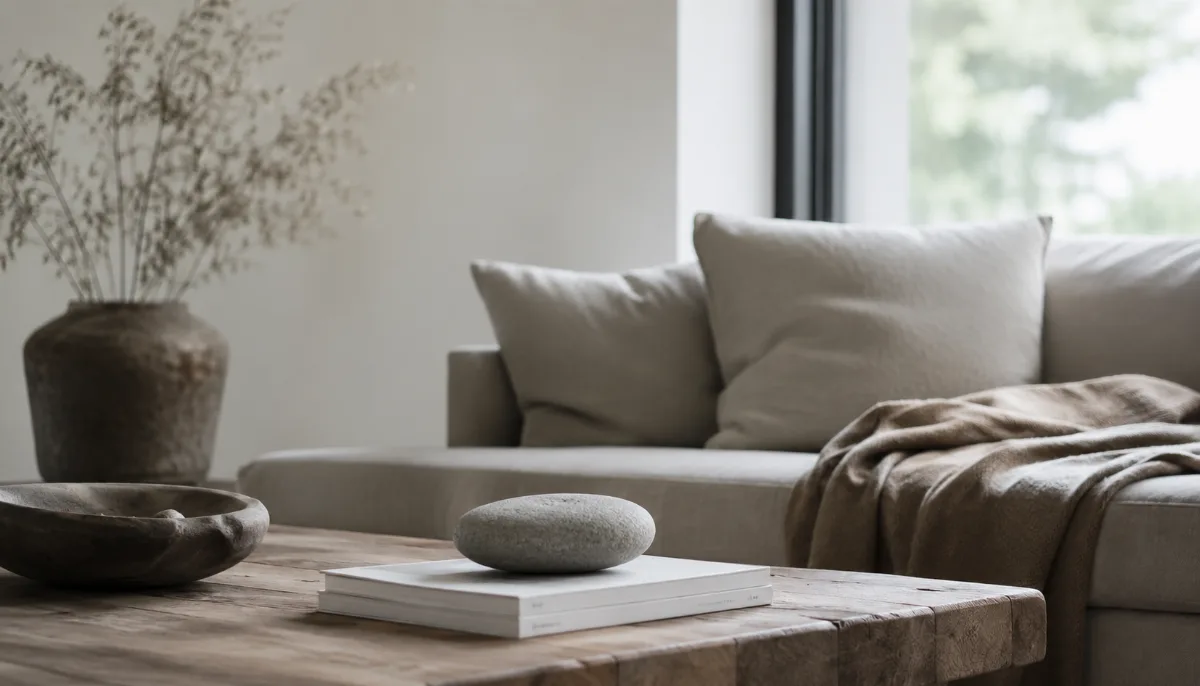
Neutrals are your best friends in a minimalist home because they create a clean slate. They let your furniture, your art (if you have any), and even the sunlight become the stars of the show. Think of it as the perfect canvas.

They’re also incredibly versatile. If I decide I hate my throw pillows next year, I can swap them for a completely different color scheme without having to repaint the whole damn living room. That saves so much time and headache, which, let's be real, us moms just don't have enough of.

The trick is understanding that neutrals aren't just one thing. They have depth, personality, and, most importantly, undertones. You've got cool neutrals, warm neutrals, and everything in between. It's a whole world beyond just beige.

It's Not Just Beige, I Swear

When people think "neutral," they often picture that ubiquitous builder-grade beige from the 90s. We're moving past that, thankfully. Today's neutrals are sophisticated and varied.

They range from crisp, cool whites to rich, earthy grays and everything in between. It’s all about finding the right shade for your space and your light. Don't be scared of the word "neutral" anymore. It's a spectrum, not a single bland color.

  • Whites and Off-Whites - These are probably the most popular for minimalist homes. They reflect light like crazy, making small spaces feel huge and airy. Think gallery walls, but for your whole house. Just be careful with undertones – some can lean yellow, some can lean blue. My current living room is an off-white with a hint of warmth, and it makes everything feel so fresh.
  • Grays - Grays can be super chic, providing a sophisticated backdrop. They come in warm grays (greiges) and cool grays (with blue or purple undertones). A cool gray can make a room feel serene and modern, while a warm gray adds coziness. I once tried a dark gray in our bathroom, thinking it would be dramatic, but it just made it feel like a dungeon. Learn from my mistakes.
  • Greiges - This is the sweet spot for a lot of people: gray + beige. It’s versatile, warm without being too yellow, and cool without being too sterile. It’s like the comfy sweater of paint colors. If you’re scared of committing to a straight gray or a straight beige, greige is your safe bet. We have a greige in our hallway, and it just flows so well with everything.
  • Warm Neutrals (think Taupe, Mushroom) - These have more brown, red, or yellow undertones than a typical greige. They bring a lot of warmth and earthiness, perfect for a cozy bedroom or a living space where you want to feel truly grounded. They can be really comforting, like a big hug from your walls. Just don't go too yellow, unless you want your house to feel like a smoker's lounge.
  • Cool Neutrals (think Light Blue-Grays, Sage Greens) - These aren't always considered pure neutrals by designers, but they function similarly in a minimalist home. A very pale blue-gray can be incredibly soothing, almost like a cloudy sky. A soft, muted sage green can bring nature indoors without being overtly "green." They provide a subtle hint of color that still feels calm and understated. My son's room is a pale blue-gray, and it's perfect for a sleepy atmosphere.

My Go-To Neutral Paint Colors (Specific Examples)

Alright, enough with the theory. Let's talk actual cans of paint. These are some of my absolute favorites that I've either used myself, recommended to friends, or drooled over on Pinterest for ages. They consistently deliver that calm, minimalist vibe without feeling sterile.

Remember, paint colors look different in every space. Always, always, always get samples. Seriously, I can't stress that enough. But these are great starting points if you're feeling paralyzed by choice.

Benjamin Moore: Swiss Coffee OC-45

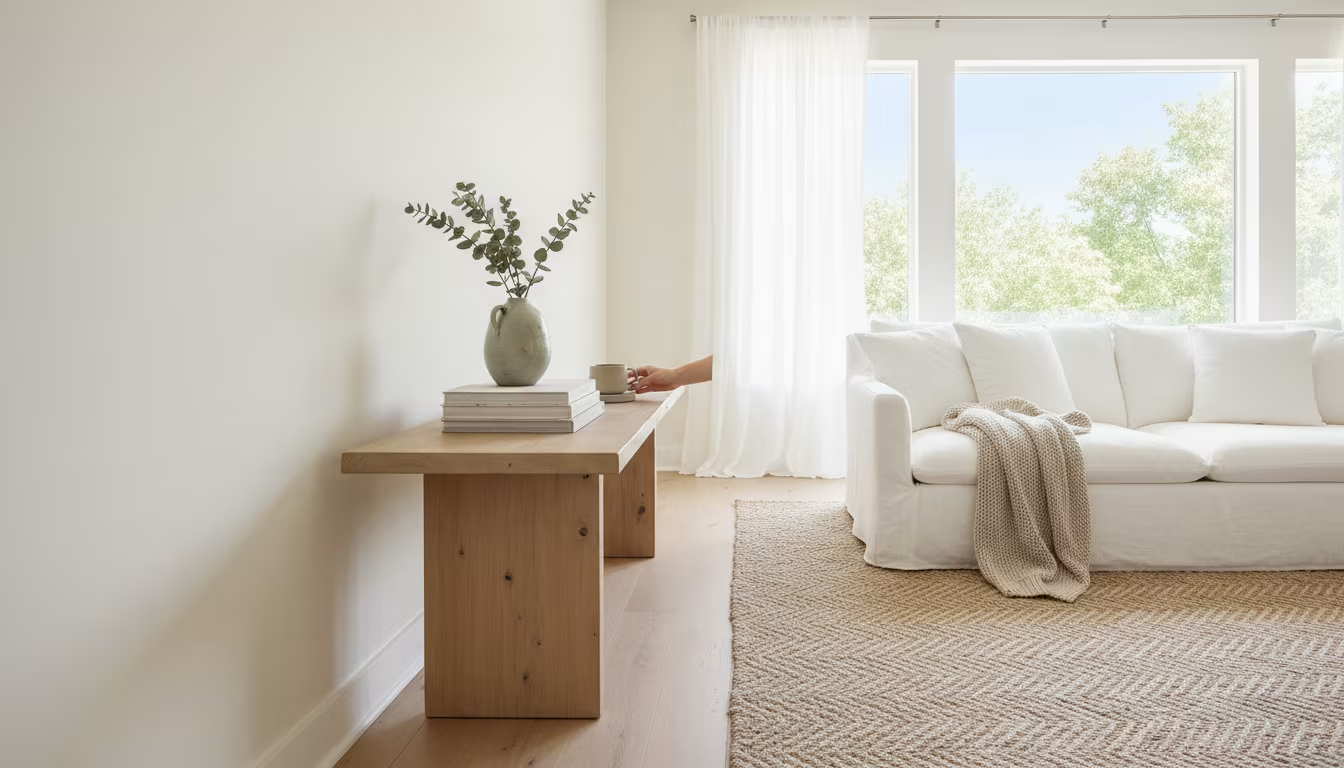
This is my current love. It's an off-white that's warm without being yellow. It has a tiny hint of creaminess that keeps it from feeling stark, but it’s still super bright. It's like the perfect cup of coffee – warm and comforting but still crisp.

I painted our main living area and kitchen with Swiss Coffee, and it instantly felt more open and cohesive. It handles both morning and afternoon light really well. My son spilled grape juice on it last week, and it still looked good after a quick scrub, so bonus points for durability, I guess.

Sherwin-Williams: Agreeable Gray SW 7029

If you're looking for a true greige that plays well with almost anything, this is it. It’s probably one of the most popular neutral paint colors for a reason. It's warm enough to feel cozy but cool enough to be modern.

My sister used Agreeable Gray throughout her whole house after I practically begged her to ditch her builder beige, and she absolutely loves it. It changes subtly with the light, sometimes looking more gray, sometimes more beige, which makes it interesting without being busy. It's a really solid choice for an open-concept space.

Farrow & Ball: Skimming Stone No. 241

Okay, Farrow & Ball is a bit of a splurge, but their colors are just chefs kiss. Skimming Stone is a beautiful, warm off-white with gray undertones. It’s incredibly sophisticated and soft. It reminds me of a peaceful, cloudy day.

I haven't personally used this one because, well, kids. But if I ever get a fancy office space, this is going straight on the walls. It creates such a tranquil, elevated feel. If you're looking for something with a bit more depth than a standard white but still very understated, check this out.

Benjamin Moore: Pale Oak OC-20

This is another fantastic greige, but it leans a bit warmer than Agreeable Gray. It has a lovely softness to it, with slight taupe undertones that prevent it from feeling cold. It’s very inviting and chic.

A friend used Pale Oak in her guest bedroom, and it feels like a really luxurious hotel room. It's calming and elegant without being stuffy. If you want warmth but aren't ready for a full-on beige, Pale Oak is a beautiful compromise.

Sherwin-Williams: Pure White SW 7005

If you want a true, crisp white without strong undertones, Pure White is your guy. It’s clean, bright, and airy. It doesn’t pull yellow or blue, which can be surprisingly hard to find in a white paint.

I used Pure White for all our trim and ceilings. It provides a really fresh contrast to the warmer off-white walls without fighting with them. For an ultimate minimalist look, painting everything in Pure White can be stunning, especially if you have lots of natural light. It just makes everything feel so expansive.

Benjamin Moore: Revere Pewter HC-172

Revere Pewter is a classic for a reason. It’s a very popular greige that can sometimes read more gray, sometimes more beige, depending on your light. It's versatile, timeless, and has enough depth to make a statement without being loud.

Our previous house had Revere Pewter in the entryway, and it was perfect. It felt welcoming but still clean and modern. It's a safe bet if you want a neutral that has a bit more "oomph" than a simple off-white, but still keeps things calm. Just test it, because it can definitely show different undertones in different lightings.

Behr: Aged Beige PPU7-09

For those who still appreciate a good, warm beige, but want something updated, Aged Beige is a great option. It’s not the sickly yellow beige of yesteryear. It's a very muted, sophisticated beige with subtle gray undertones, making it feel current.

I used this in my laundry room. I wanted something cozy and utilitarian, and it delivered. It just makes the space feel a bit more pulled together than a plain white. It’s amazing how a good neutral can elevate even the most mundane rooms in your house.

How To Actually Pick Your Color (and not screw it up)

Okay, you’ve seen some great options, but how do you actually pick the one for your home? It can feel like a huge decision, I know. I’ve definitely had paint regret before, and it sucks to redo a whole room. Trust me, I’ve been there.

The good news is, there are some simple steps you can follow to drastically increase your chances of loving your new paint color. These aren’t rocket science, but they make a huge difference.

Step 1: Get Samples, Seriously

This is the most critical step. Do not, under any circumstances, pick a paint color from a tiny swatch at the store. That's like trying to pick out a wedding dress from a picture in a magazine. It just won't work.

Go to the paint store, pick out 3-5 of your favorite contenders, and get sample pots. They're usually pretty cheap, like $5-10 each. It's the best money you'll spend on your painting project, I promise you.

Paint big swatches (at least 2x2 feet) on several different walls in the room you’re planning to paint. Make sure you paint near trim, if you're keeping it, and near any fixed elements like cabinets. You need to see how they look in context.

Step 2: Look at the Light

This is where paint colors get tricky and totally change their personality. The light in your home, both natural and artificial, will drastically alter how a color appears. A beautiful warm gray in a south-facing room might look totally different in a north-facing room that gets less direct sun.

Observe your samples at different times of day: morning, midday, afternoon, and evening with your lights on. You might notice yellow undertones appearing at sunset, or a surprising blue tinge in the morning. This is normal. You just need to pick the color that looks best across all those scenarios for your specific home.

Don't forget about your light bulbs! "Warm white" bulbs can make cool grays look muddy, while "daylight" bulbs can make warm whites feel too cold. Test your samples with the type of bulbs you actually use. It makes a bigger difference than you’d think.

Step 3: Consider Your Existing Stuff

Unless you're planning a full gut reno (and who has time for that?), you've got existing elements in your home. Think about your flooring, large furniture pieces like your couch, curtains, and even any artwork you plan to keep. Your paint color needs to play nicely with these.

If your couch is a warm beige, you might want a greige with warm undertones, or a crisp white to provide contrast. If your floors are a cool gray tile, a cooler gray paint might tie it all together. Bring swatches of fabric or small items into the room with your paint samples to see how they interact. This isn't about perfectly matching everything, but about creating harmony.

I once painted a bedroom a lovely pale green, but totally forgot about the red undertones in the existing wood dresser. It looked like Christmas year-round, and not in a good way. The dresser had to go. Learn from my mistakes, people.

Step 4: Don't Forget the Trim

The trim, doors, and ceiling can sometimes feel like an afterthought, but they’re crucial for pulling the whole room together. Usually, you'll want your trim to be a crisp white, often the same white or a slightly brighter shade than your ceiling. This provides a clean line and makes the wall color pop.

Using a slightly different shade of white for trim and walls can add subtle depth without introducing more color. Or, for a truly modern, seamless look, you can paint the walls and trim the exact same color. It can be super chic, almost like wrapping the room in one continuous shade. It's a bold move, but it works really well with very light neutrals.

Step 5: Trust Your Gut (Kinda)

After all the testing and analyzing, there comes a point where you just have to pick one. You'll likely have a favorite that just feels "right." That's your gut talking, and usually, it's pretty good. You don't need to overthink it to death.

But also, don't rush. Don't pick a color because your friend used it and it looked good in her house. Your home is different. Take your time, live with the samples for a few days, and then make a confident choice. It's just paint, after all. If you hate it, you can always repaint, even if it's a pain in the ass. It's not a permanent tattoo.

Making It Stick / Common Mistakes to Avoid

You’ve done your research, you’ve picked your samples, you’re ready to paint. But before you dive in, let’s talk about a few common pitfalls that can derail even the best intentions. I've fallen into some of these traps myself, and it's always a bummer.

Mistake #1: Rushing the Decision

I know, I know. You just want to get it done. The kids are napping, you have an hour, let's pick a color! But rushing this decision almost always leads to regret. Remember those sample pots? Live with them.

Take a few days, or even a week, to see how the colors perform in different lighting and with your existing decor. A rushed decision is usually an expensive one, because you’ll end up repainting sooner than you’d like. Been there, done that, bought the extra paint.

Mistake #2: Ignoring Undertones

This is probably the biggest culprit for paint regret. You pick a gray, but it looks surprisingly purple on your wall. Or a white that suddenly looks yellow. That's undertones at play. Every color has them, even neutrals.

Grays can have blue, green, or purple undertones. Whites can have yellow, pink, or even green undertones. It’s subtle, but it's there. Hold your samples against a pure white piece of paper to help identify them. If you’re trying to pick between two similar colors, look for the one that doesn’t fight with your permanent fixtures like flooring or countertops.

Mistake #3: Forgetting the Ceiling

Often, people just paint the ceiling white without much thought. While white is usually a safe bet, consider if that white actually harmonizes with your chosen wall color. A bright, cool white ceiling can sometimes make a warm greige wall feel a bit dingy by comparison.

Using the same color as your walls, but in a flat finish, can create a seamless, enveloping feel, especially in smaller rooms. Or, if your walls are a light neutral, using a slightly warmer white on the ceiling can make the room feel cozier. It's a small detail, but it makes a big difference in the overall effect.

Mistake #4: Not Testing Enough

I mentioned getting samples, but I want to re-emphasize painting large swatches. A 6x6 inch square just isn't enough. Paint at least two feet by two feet. Paint in different areas of the room, especially corners or areas that get less light.

The bigger the swatch, the better you'll be able to visualize the final result. You might even paint two coats of the sample, just to get a true representation of the color's depth. Don't skimp on this step. It's your insurance policy against hating your walls.

Mistake #5: Getting Overwhelmed by "Perfect"

Let's be real, finding the "perfect" paint color can become an obsession. Pinterest and Instagram don't help, making every home look flawless. But your home isn't a magazine shoot; it's where you live, where your kids spill juice and leave sticky fingerprints.

The goal is to find a color you love, that makes you feel calm, and that works with your life. Not one that’s "perfect" by some unattainable standard. Give yourself a break. Pick something that makes you happy. That’s enough.

"Your home isn't a museum. It's a backdrop for your messy, beautiful life. Let the walls be calm, so you can be too."

Frequently Asked Questions

What about kids' rooms? Do they have to be neutral too?
Not necessarily! While a neutral base can be great for longevity, you can definitely add personality. I used a very pale blue-gray in my son's room, which is still calm but feels a bit more "him." You could also do neutral walls and bring in color through bedding, rugs, or removable wall decals that can be changed as they grow.
Won't all-neutral look boring or sterile?
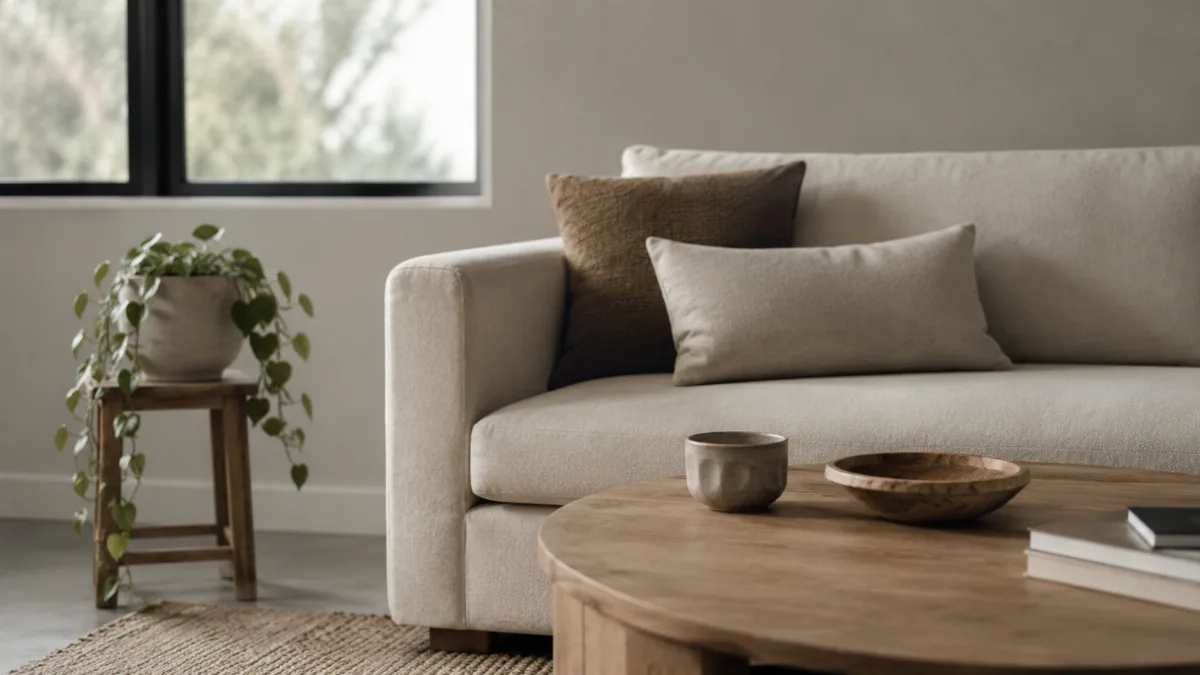
This is a common fear, and I totally get it. The key to avoiding a sterile look is layering textures and incorporating natural elements. Think chunky knit blankets, woven baskets, wood furniture, and plants. These add warmth and interest without relying on bright colors. It's all about the tactile experience, not just the visual.
How do I add personality without color?
Beyond textures, consider different finishes and shapes. A minimalist space can have a mix of matte and glossy finishes, or furniture with interesting, sculptural lines. Black and white photography, a unique mirror, or even a statement light fixture can provide personality without adding a single bright hue. It's all about thoughtful curation.
What if I hate the color after I paint?
Damn, that sucks, but it happens! The good news is, it's just paint. Take a deep breath. You can always repaint. If it's truly awful, consider repainting one accent wall in another neutral to break it up, or invest in some large art pieces to cover most of it. Don't beat yourself up; it's a learning experience.
Can I mix different neutrals in one space?
Absolutely, and you should! Mixing different shades of whites, grays, and greiges actually adds depth and interest. For example, you could have a warm greige on your walls, a crisp white on the trim, and a slightly darker, cooler gray on a built-in bookshelf. The trick is to ensure their undertones complement each other – stick to all warm or all cool tones within one cohesive area for the best results.

The Bottom Line

Choosing the right neutral paint color is one of the easiest and most impactful ways to create a calm, cohesive home. It's not about being boring; it's about creating a peaceful backdrop for your busy life. Less visual noise means more mental space for you, mama.

Don't be afraid to experiment with samples, trust your gut (mostly), and remember that paint is just paint. You've got this. Take it one wall at a time, and pretty soon, you'll have a home that feels like a big, soothing hug. ❤️