
The Minimalist Guide to Saving Money on Kids' Clothes
Oh, hey there. 👋
Remember that scene in 'Elf' where Buddy tries to fit into tiny clothes? That's me, every damn laundry day, trying to cram another overflowing basket of kid clothes into an already bursting dresser. Except it’s not funny when it’s your life.
My daughter is five. My son is two. You’d think by now I’d have mastered the art of "just enough" clothes for them, right? Nope. I still find myself staring at a mountain of tiny garments, wondering how two small humans generate so much fabric chaos. It’s exhausting, and honestly, it’s a huge money pit if you’re not careful.
We're going to dive into how to ditch that overwhelm and save some serious cash on kids' clothes. I'm talking about simplifying, making smart choices, and reclaiming some of your precious time and budget. No judgment, just real talk from one tired mom to another.
Why This Actually Matters
Let's be real. Buying clothes for kids is a never-ending cycle. They grow out of things faster than you can say "laundry," they stain things with impressive precision, and suddenly you're back at the store, wallet trembling. It's not just the financial drain, though that's a huge piece of it.
For me, it was the mental load. The constant sorting, washing, folding, putting away, and realizing I just bought another pack of socks they'll lose next week. It felt like a small, cotton-based monster was eating my weekends. I was spending valuable time managing stuff instead of playing with my kids or, you know, sleeping.
I used to justify every purchase: "Oh, it's on sale!" or "They might need this specific outfit for that one theoretical event." Then I'd find half of it unworn, tags still on, shoved in a drawer a size too small. Last spring, I audited my daughter's closet. She had 37 dresses. 37! For one five-year-old. I almost cried. The waste, the money, the sheer absurdity of it all hit me hard.
Think about it: less stuff means less to clean, less to organize, and less to stress about. It frees up space in your home and, more importantly, in your head. It means more money in your pocket for things that truly matter to your family.
The "Less Is More" Philosophy for Tiny Humans
Okay, so what does "minimalist" kids' clothing actually mean? It doesn't mean your kids are going to be running around in potato sacks, looking like they escaped a Dickens novel. Promise. It’s about being intentional with every single item they own.
It's about having enough clothes for practical needs – comfort, cleanliness, and appropriate weather – without the excess that clogs drawers and wastes money. It’s a shift from "what if they need this?" to "what do they actually use every day?" It really is that simple, but man, it's hard to put into practice with all the cute stuff out there.
It's Not About Dressing Them in Burlap Sacks
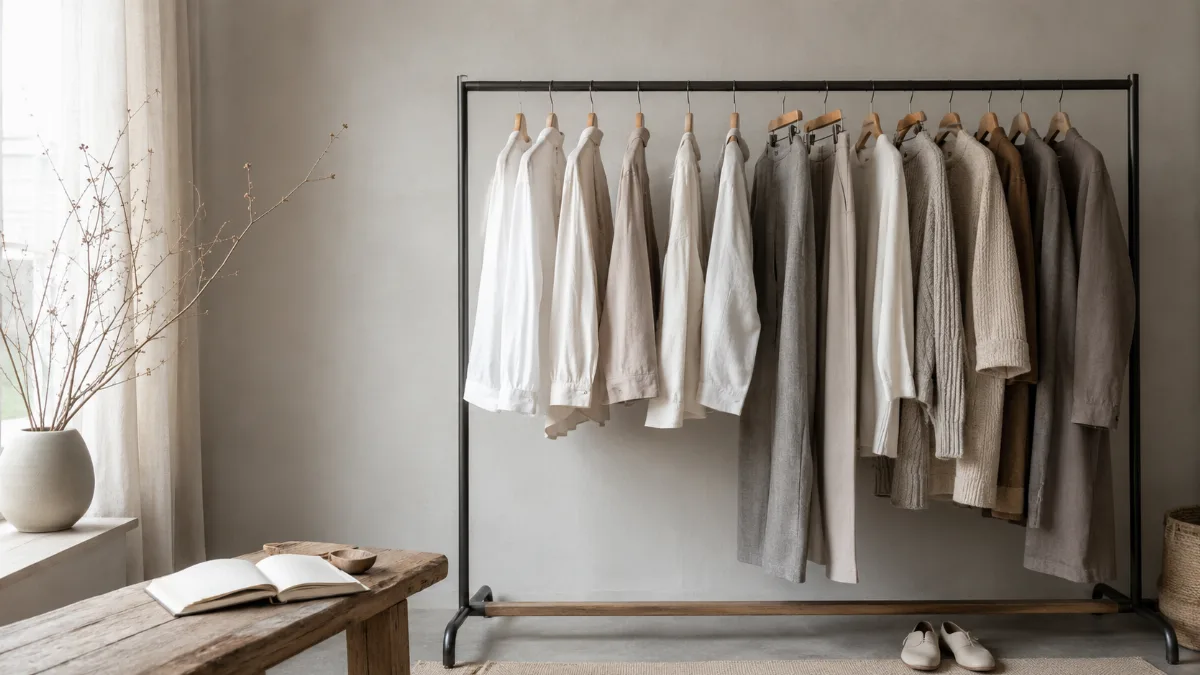
Let's clear this up right away. This isn't about deprivation. It's about being strategic. Think capsule wardrobe, but for a smaller, messier human. You want versatility, comfort, and durability. That's the trifecta.
You want clothes that can be mixed and matched easily, that stand up to playground adventures and spaghetti explosions. Because let's face it, kids are gross. We love them, but they are. This approach makes laundry less of a nightmare and getting dressed less of a daily battle.
- Less Laundry, More Playtime: This is a big one. Fewer clothes mean fewer loads. Period. Imagine gaining back an hour or two a week because you're not drowning in sorting, washing, and folding. That's an hour you could be reading a book, playing a game, or just staring blankly at a wall in peace. Trust me, I've lived both sides of this.
- Saving Serious Cash: This is probably the most obvious benefit, but it bears repeating. Kids' clothes can be outrageously expensive. When you stop buying things just because they're cute or on sale, you'll see a real difference in your budget. I tracked my spending for six months after embracing this. My kids' clothing budget dropped by almost 70%. Seventy percent! That's a new pair of running shoes for me, or a family outing, or a damn good takeout meal.
- Reducing Mental Load: How many times have you stared into your kid's drawer, overwhelmed by options, trying to figure out what they can wear? Or lost track of where that one specific shirt is? When you have fewer, intentional items, decision fatigue drops significantly. Getting dressed becomes faster for them, and for you. It's one less tiny thing buzzing in your brain.
- Environmental Goodness: Okay, not gonna lie, this wasn't my primary motivator when I started, but it's a huge bonus. Fast fashion is a nightmare for the planet. By buying less, using what we have, and opting for secondhand, we're reducing waste and our carbon footprint. It feels good to know you're doing your small part, even if it's just one less glittery unicorn tee in a landfill.
- Cultivating Gratitude (Eventually): This one's a longer game. But when kids have fewer items, they often start to value what they do have more. They learn to take care of their clothes because they understand there isn't an endless supply. My kids still don't fully get it, but we're working on it. It’s definitely a better foundation for consumption habits than just constantly getting new stuff.
How To Actually Do It Without Losing Your Mind
Alright, Eleanor, I get it. Less is more, saving money, blah blah. But how do I actually prune back the jungle of tiny jeans and sparkly shirts without my kids feeling deprived or me feeling like a monster? I'm going to walk you through the steps, the same ones I took, messy and imperfect as they were.
Step 1: The Great Closet Purge (Grab a Coffee)
This is where the rubber meets the road. And yes, it can be overwhelming, so mentally prepare. You need to take every single item of clothing out of your child's dresser, closet, laundry pile, wherever it lurks. Dump it all onto their bed, or the floor, or the living room carpet. Make a giant pile of fabric chaos.
Seeing everything you own in one place is incredibly eye-opening. You'll find duplicates, things they've never worn, and items they outgrew three seasons ago. Start making three piles: Keep, Donate/Sell, and Trash. Be ruthless with the trash pile – torn, stained, beyond repair items go straight there. Don't feel bad. It's just stuff.
Step 2: Know Your Numbers (The Capsule Wardrobe Idea)
Now that you can actually see what you have, it's time to decide on ideal numbers. This is where the minimalist magic happens. Instead of "as many as fit," you're aiming for "just enough." Think about your laundry habits – do you wash twice a week? Once? That'll help determine your minimums.
For a toddler, I aim for something like this: 5-7 everyday tops (t-shirts, long sleeves), 3-4 pairs of pants/leggings, 2-3 shorts, 2-3 sweaters/hoodies, 5 pairs of socks, 5 pairs of underwear, 1-2 pajamas, 1-2 practical dresses/outfits (if applicable), and 1-2 "nicer" outfits. Adjust for seasons and school uniforms, obviously. This small number means everything mixes and matches easily.
Step 3: Quality Over Quantity (The Investment Factor)
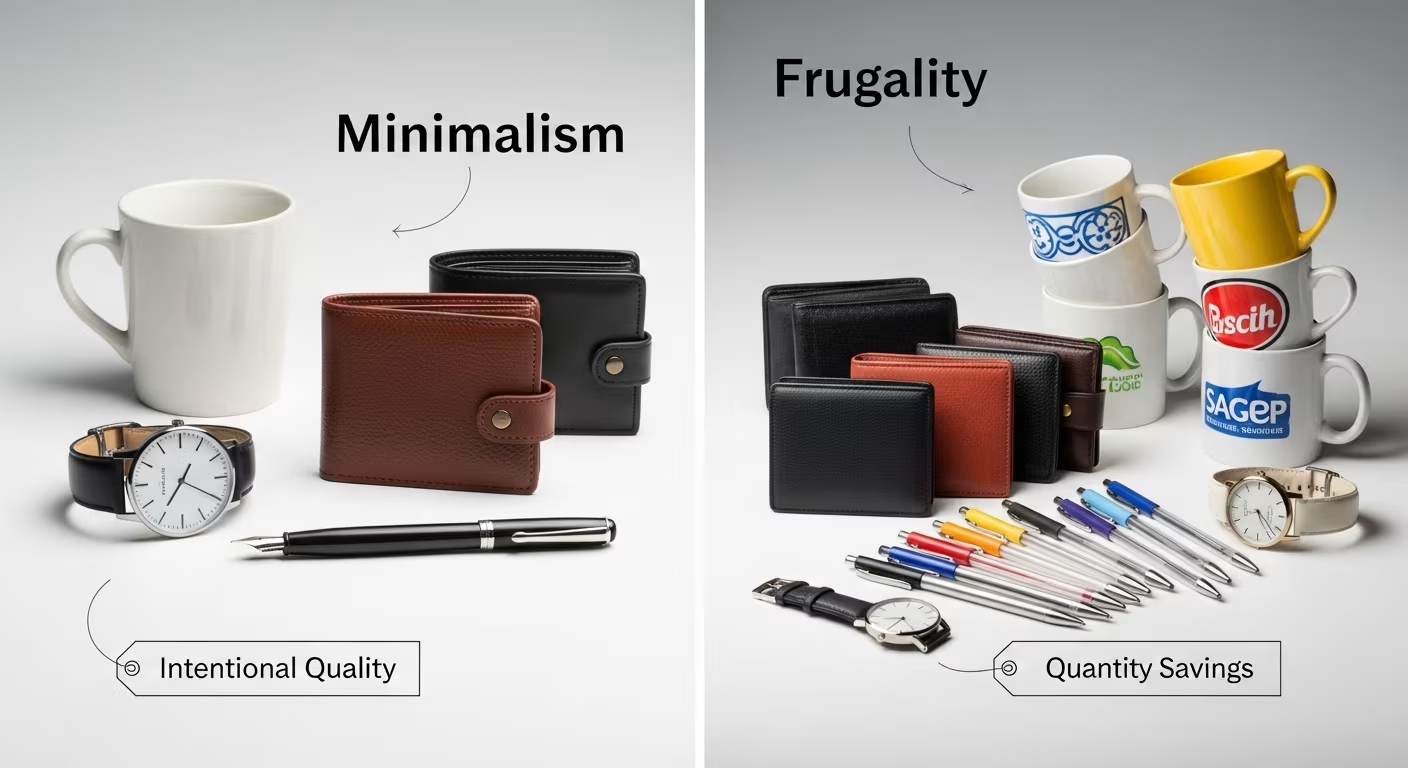
This feels counterintuitive when you're trying to save money, right? But hear me out. Buying cheap, fast-fashion items means they often fall apart after a few washes, or pill, or stretch out. You end up having to replace them more often, which costs more in the long run. Been there, done that, have the faded, misshapen shirt to prove it.
Instead, when you do buy, try to invest in good quality pieces. Brands known for durability, natural fabrics like cotton or wool, and solid construction. These items will withstand countless washes, playground tumbles, and can often be passed down to siblings or easily resold. It’s an investment upfront that pays off in longevity and resale value.
Step 4: Embrace Secondhand (Your Wallet Will Thank You)
This is probably my favorite money-saving trick, and honestly, most of my kids' wardrobes come from here. Consignment stores, local Facebook Marketplace groups, garage sales, Kidizen, ThredUp – these are your new best friends. Kids grow so fast that clothes are often barely worn before they're outgrown. You can find incredible deals on high-quality items for a fraction of the retail price.
It takes a little more patience than just clicking "add to cart," but the savings are insane. I’ve found brand-new items with tags still on for 80% off. It’s a treasure hunt, and when you find that perfect pair of barely-worn boots for five bucks, you feel like you've won the lottery. Don’t be afraid to wash everything thoroughly when you get it home, obviously.
Step 5: The Hand-Me-Down Protocol (Setting Boundaries)
Oh, the blessed, cursed hand-me-downs. It’s wonderful when friends or family offer bags of clothes, especially if you have younger kids. But this is also how clutter multiplies at lightning speed. You might get a bag of 50 items when you only needed 5. Suddenly, your carefully curated capsule is a chaotic mess again.
Be selective. Graciously accept, but only keep what you genuinely need, what fits your child's style (and your minimalist numbers), and what’s in good condition. Don’t feel guilty donating or reselling the rest. The person who gave them to you probably just wanted them out of their house. Think of it as passing along the good karma. It's okay to say, "Thanks so much, but we're pretty set for clothes right now!"
Step 6: Seasonal Swaps & Storage (The "Out-of-Sight" Rule)
Having all four seasons' worth of clothes in your child's dresser at once is a recipe for disaster. It makes getting dressed harder and cleaning more overwhelming. Instead, implement seasonal swaps. When summer ends, pack away the shorts and tank tops. Bring out the long sleeves and warmer pants.
Use clear bins for storage, label them clearly (e.g., "Liam - 2T Summer"), and store them somewhere out of the way – under a bed, in a closet, in the garage. This keeps the current wardrobe manageable and makes it exciting when you bring out the "new" clothes for the next season. It's also a great way to re-evaluate what still fits and what you'll actually need for the upcoming months.
Step 7: Resist the Sales Siren Song (The "Just In Case" Trap)
This one is hard. Stores constantly bombard us with "buy one, get one," "flash sale," and "clearance" temptations. It’s so easy to buy things "just in case" – just in case they need a backup, just in case that size fits later, just in case they suddenly decide they love plaid. This is how you end up with 37 dresses.
Before you buy anything, ask yourself: Do we need this specific item right now? Does it fill a gap in our existing capsule? Can I get it secondhand? If the answer isn't a solid yes, walk away. Don't buy for the person you think your kid might be, buy for the person they are today. The goal is to be intentional, not just to snag a deal.
Making It Stick & Avoiding the "Oops, I Bought Another Onesie" Trap
So, you've purged, you've counted, you've committed to secondhand. Amazing! But the world is still full of adorable tiny clothes that scream "buy me!" How do you keep from backsliding? This is where long-term habits come in. It’s not a one-and-done project.
One of the biggest traps is gifts. Grandparents, aunts, uncles – they mean well, but often they're buying things your kids don't need or you don't have space for. Politely communicate your preferences. Suggest experiences, books, or contributions to a savings fund instead of toys or clothes. You don't have to be a jerk about it, just gently guide them. "Oh, we're really focused on experiences this year!" or "Liam really loves books if you're looking for ideas!"
Another trap is the "emergency" buy. Your kid rips their only pair of jeans, or throws up on their favorite shirt, and suddenly you're at Target buying a whole new outfit. The key is to have a small buffer. Not too much, but enough that one mishap doesn't send you spiraling. That's why those 5-7 shirts are better than just 3.
The cheapest clothes are the ones you don't buy. Honestly, your kids won't remember how many outfits they had; they'll remember how much time you spent with them.
Also, remember the one-in, one-out rule. If you buy a new pair of pants, an old pair leaves the house. This prevents accumulation. It's simple math, really. Don't make it harder than it has to be.
Frequently Asked Questions
The Bottom Line
This isn't about perfectly curated wardrobes or never buying anything new again. It's about being more intentional, saving money, and reducing that constant hum of mental clutter that comes with managing too much stuff. It's about getting a little bit of your sanity back.
Start small. Pick one drawer, one closet, one kid. Declutter a little. See how it feels. You don't have to be perfect overnight, just a little bit better than yesterday. You got this, mama. ❤️