


Why Families Overpack
Overpacking for a family trip comes from a reasonable place: the fear of needing something and not having it. That fear runs hotter for families than for solo travelers because the stakes feel higher. Forget something for yourself and you improvise. Forget the one thing a toddler needs at bedtime and the whole evening tips over. So the suitcase grows, contingencies pile on top of contingencies, and the bag becomes heavy enough to be an obstacle to the trip itself.
Every checked bag, every haul through a train station, every dig through an overstuffed case in a hotel room is a real cost, and those costs repeat on every travel day. Minimalist family packing does not mean leaving important things at home. It means telling the difference, honestly, between what a trip genuinely requires and what got packed to soothe anxiety about a scenario that will probably never arrive.
One Bag Per Person
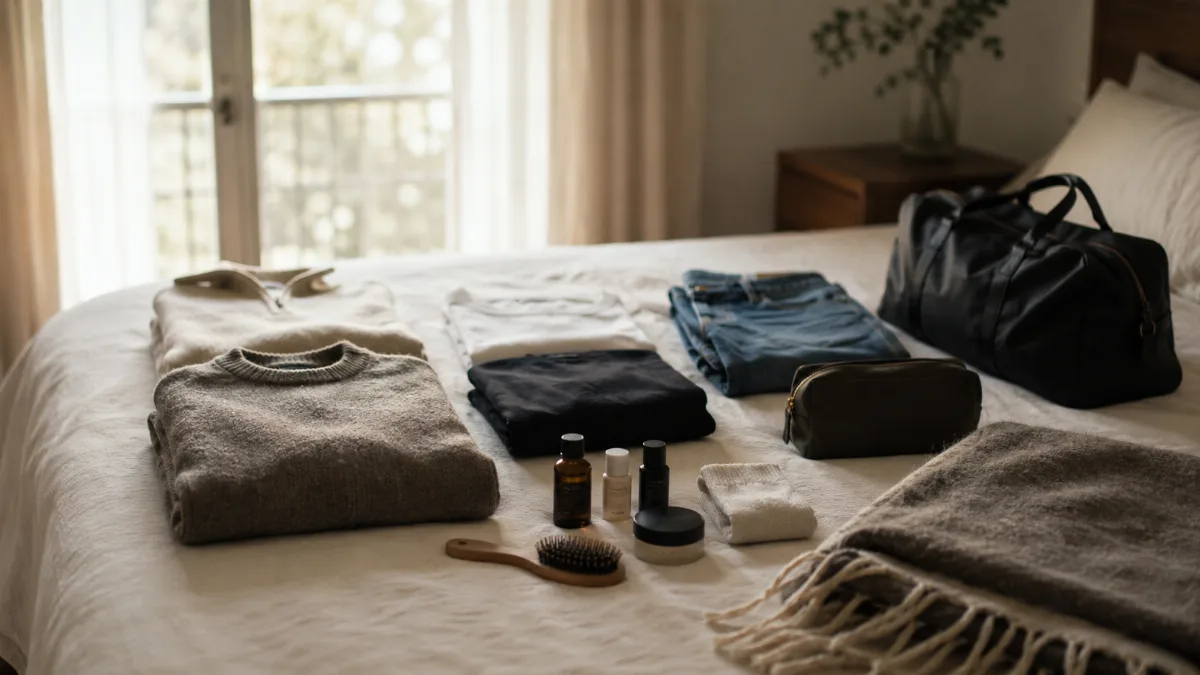
The most effective target is one bag per person, carry-on size where possible. For most trips of up to two weeks, including trips with young children, that is achievable when the packing is deliberate rather than defensive. The payoff is not only the skipped checked-bag fee, usually $35 to $60 each way per bag. It is faster movement through the airport, nothing lost at the carousel, and transfers between hotels or trains that a rolling caravan of large suitcases makes miserable.
For younger children the practical version is simple: adults carry the child's items inside their own bags. A school-age child can manage a small backpack of their own belongings, which also hands them some ownership over what comes along. The table below shows a realistic one-week carry-on for a single traveler, the pattern that keeps the whole family inside the one-bag target.
| Category | Pack | Why this amount |
|---|---|---|
| Tops | 4-5 | Mix and match; wash mid-trip |
| Bottoms | 2-3 | Re-wear across several days |
| Underwear / socks | 5-6 pairs | Enough to reach one laundry day |
| Layer / jacket | 1 | Worn in transit, not packed |
| Shoes | 2 pairs | One on your feet, one in the bag |
| Toiletries | 1 quart bag | Travel sizes only |
| Sleepwear | 1 set | Doubles as lounge wear |
Build the List From Activities, Not Templates
The packing that stays minimal starts from what the trip will actually involve rather than a generic family checklist. Write down the specific activities ahead: flights, hotel days, a beach or a hike, restaurants, any occasion that calls for particular clothing. Pack exactly what those activities need. An item that does not belong to a named activity does not belong in the bag.
Clothing is where a template does the most damage. Three to five days of clothes covers a trip of almost any length once you plan to do laundry once. Most hotels offer a laundry service, most destinations have a laundromat, and a bag of washing dropped off on day four disrupts the trip far less than two extra kilos of clothes that ride along unworn from start to finish.
The other quiet win is refusing to pack four of anything the family can share. One family-size tube of sunscreen, one small first-aid kit, one set of phone chargers with a single multi-port plug, one guidebook or offline map on one phone. Families routinely pack these per person out of habit, and four half-used sunscreens weigh more and take more space than the trip will ever justify. Decide which items are genuinely personal, deodorant, medication, a toothbrush, and which are household items that only need to exist once in the whole group.
What Children Actually Need
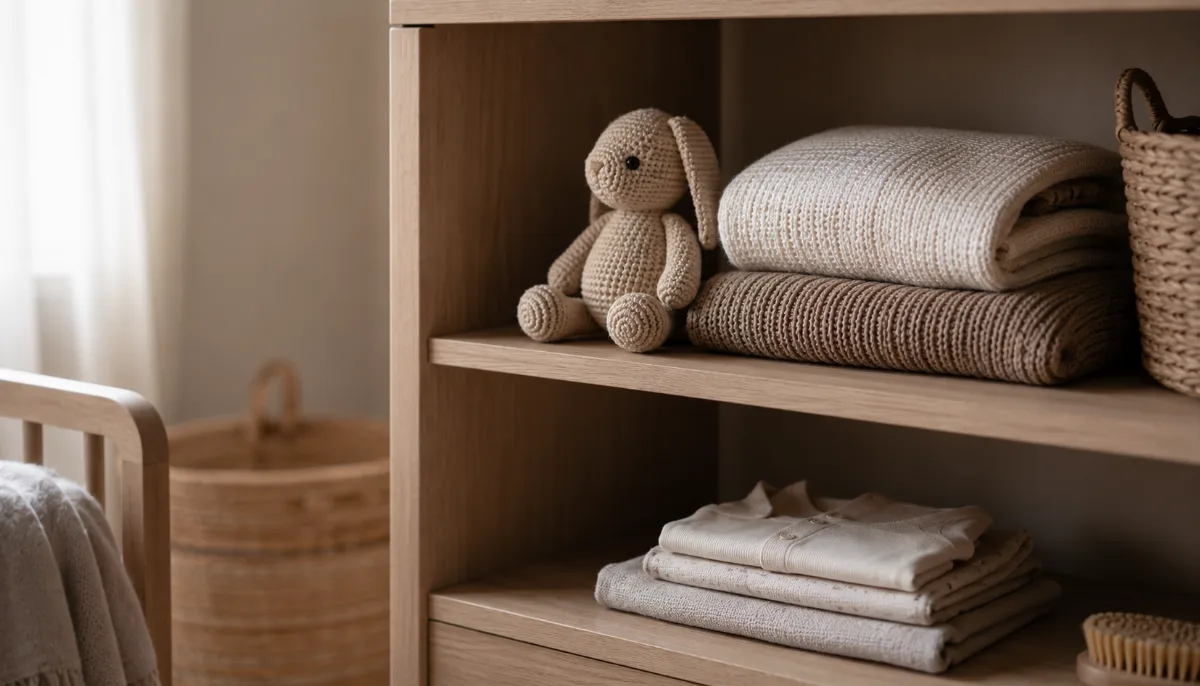
A child's packing list is usually the most inflated part of the family's luggage, swollen with backup items and entertainment that address a parent's worry more than a child's real needs. Children adapt to travel far better than most parents expect. A long flight is usually covered by one device with downloaded shows, one set of headphones, one small activity like a sketchbook or a single favorite book, and snacks. The extra bag of toys is insurance against boredom that rarely materializes.
The genuine comfort item, the specific stuffed animal or blanket a child actually relies on to sleep, earns its place without question. Almost everything else in the comfort category is optional and tends to come home untouched.
School-age children pack better when they own the decision. Hand a seven- or eight-year-old their small backpack and a short list, two toys, one book, the headphones, and let them choose which two toys. A child who packed their own bag complains less about its contents and learns, in a low-stakes way, the same lesson the adults are practicing: that a bag holds only so much, and choosing is part of the trip. It also spares a parent the job of curating entertainment for someone perfectly capable of curating their own.
Toiletries, Medications, and What to Leave
Toiletries are the second most overpacked category. Full-size bottles, brought because the hotel miniatures seem inadequate, add weight and volume out of all proportion to their worth. Travel-size everything that can be, accept hotel soap and shampoo for the things that do not matter enough to carry in your own size, and keep a compact medication kit that holds only what would cause real trouble if missing. The nightly moisturizer is nice to have. A child's specific allergy medication is not negotiable, and neither is a small supply of any prescription the family depends on. Anything genuinely needed beyond that can be bought at the destination. If you want to dig deeper, the U.S. State Department's travel resources is a good starting point.
The items that reliably go and never get used: a full guidebook the phone already replaces, spare adapters beyond the one or two required, decorative rather than functional clothes for children, and duplicate backups for things that almost never fail. Leaving them behind means tolerating a little uncertainty, the same tolerance that keeps a minimal home easy to maintain. The question is not "what if I need this?" but "how likely am I to need it, and what happens if I don't have it?" Most items fail that test for most trips.
Laundry Makes One Bag Work
The single change that makes one-bag packing work for trips longer than a few days is planning to wash clothes once. A single laundry session mid-trip roughly doubles the effective use of what you packed without adding a gram to the bag. Most hotels offer a laundry service, most towns have a self-service laundromat, and some apartment rentals include a machine.
The resistance to mid-trip laundry is usually the sense that it is a hassle, but dropping a bag at the hotel desk or spending an hour at a laundromat on a travel day is a smaller burden than wrestling heavy bags through every airport, station, and taxi for the whole trip. Come home, and take two minutes to note what you packed and never touched. That item leaves next time's list; anything you wished you had takes its place instead of adding to the pile. After a few trips run this way, the family's list is calibrated to how it actually travels, and each trip packs lighter than the last.

Comments
No comments yet.