
Why Quality over Quantity is the Secret to Better Playdates
Oh man, playdates. Sometimes they're magical, full of giggles and imaginary worlds. Other times? They feel like hosting a tiny tornado in your living room, complete with toy-related meltdowns and parents eyeing the clock. Sound familiar?
I swear, after one particularly chaotic afternoon where my kids and their friends spent 30 minutes fighting over a single broken plastic unicorn horn in a sea of actual toys, I almost swore off playdates forever. My house was a disaster. The kids were miserable. I needed a damn glass of wine.
But then I remembered something I actually preach every single day: less is more. Even when it comes to playdates. We're going to talk about how focusing on quality, not just piling up every single toy you own, can actually make playdates better for everyone involved. We’re talking calmer kids, happier parents, and way less cleanup. Swear.
Why This Actually Matters
Let’s be real for a second. We moms are already stretched thinner than a cheap pair of leggings on Thanksgiving. The last thing we need is an activity that promises "fun" but delivers a stress migraine and a living room floor covered in tiny plastic pieces.
I used to think a good playdate meant having every conceivable toy out and ready. More options, more fun, right? Wrong. So wrong.
What I actually got was kids paralyzed by choice, darting from one thing to the next without truly engaging. Then came the inevitable arguments over who had what, or why one kid wanted the specific car the other kid was just about to play with.
It's not just about the toy chaos either. The stress of having to "entertain" other people's kids while also managing your own, making snacks, and trying to keep up a conversation can be a lot. When the environment itself is overstimulating, it just adds another layer to that mental load.
Imagine a playdate where the kids actually get absorbed in something. Where they build something together, tell a story, or even just quietly draw for a bit. That's not some Pinterest fantasy, friend. It's totally possible when you shift your mindset from "more stuff" to "better engagement."
The real benefit here? It frees up your mental space. You’re not refereeing constantly. You’re not tripping over 18 different toy bins. You might even, dare I say it, get to finish a full sentence with another adult. That's a win in my book, any day.
The Playdate Revolution: from Overwhelmed to Engaged
Okay, so "quality over quantity" isn't some new, fancy buzzword cooked up by a marketing team. For playdates, it literally means curating the experience. It’s about creating an environment where kids can truly connect and play deeply, rather than just bouncing between shiny objects.
Think about it. When your child has access to fewer, more open-ended toys, what happens? They have to use their imagination. They have to get creative. They have to work together if they want to build that epic fort or create that dramatic puppet show.
This isn't about deprivation. It's about intention. Instead of a free-for-all, you're offering a curated experience that encourages cooperation, problem-solving, and sustained attention. It's like serving a really good, well-planned meal instead of an all-you-can-eat buffet where everyone just fills up on chips.
What "quality" Play Actually Looks Like
So, what does this actually look like on the ground? It's not just about having fewer things. It's about having the right things that spark genuine interaction and creativity.
When you focus on quality, you're setting the stage for play that’s truly beneficial. You're giving kids the space and the tools to be innovators and collaborators, not just consumers of plastic junk.
- Reduced Decision Fatigue: Imagine walking into a store with 50 different kinds of cereal. It’s overwhelming, right? Kids feel the same way with too many toys. Fewer options mean they can actually choose and commit to an activity instead of flitting around aimlessly.
- Deeper Engagement: With fewer distractions, children tend to focus longer and dive deeper into whatever they are doing. This means more elaborate constructions, more imaginative stories, and less "I'm bored" five minutes after they started playing.
- Less Conflict Over Specific Toys: When there's one "hero" toy that everyone wants, conflict is almost guaranteed. If you offer broader categories of play items – say, a big box of blocks instead of one specific truck – there's more opportunity for shared play and less possessiveness.
- Easier for the Host (You!): Gosh, this is a big one. Less mess to clean up afterward, fewer arguments to mediate, and generally a more peaceful atmosphere. You can actually sit down and enjoy your coffee, maybe even talk to the other parent without constantly interrupting yourself.
When I started doing this, I noticed my daughter, who used to demand my attention every five minutes during playdates, would actually get lost in building something with her friend. It was wild. Like, they were actually playing together without me prompting them every 60 seconds.
This approach isn't just about making your life easier (though that's a huge bonus!). It's about fostering better play habits and more meaningful interactions for our kids. And honestly, isn't that what we want from these little get-togethers anyway?
How to Actually do It
Okay, so you're on board with the idea of calmer, more engaging playdates. But how do you actually make this happen without feeling like you're completely overhauling your entire life every time someone comes over? It's totally doable. Promise.
You don't need to declutter your entire house before every single playdate. Just focus on the play zone. It's about setting the stage, not tearing down the whole set.
Step 1: Declutter the Main Play Space Before They Arrive
This is where the magic starts. Before that doorbell even thinks about ringing, take a quick scan of your main play area – living room, kids' room, whatever. Look for the obvious culprits: broken toys, a thousand tiny plastic animals, craft supplies exploded everywhere.
Pick up anything that screams "overwhelm." I usually grab a laundry basket and just toss in all the random bits and bobs that don't belong, or that are just excessive. Think about putting away the 37th small toy car, or the basket of mismatched puzzle pieces.
The goal isn't perfection, it's clarity. You want to reduce visual clutter and clear pathways. Trust me, a clear space just makes everything feel calmer, for you and for the kids.
Step 2: Select a Few "star" Activities or Open-ended Toys
Instead of leaving out every single toy, choose a handful of open-ended options. These are the things that kids can use in multiple ways, that encourage imagination, and don't have a single "right" way to play.
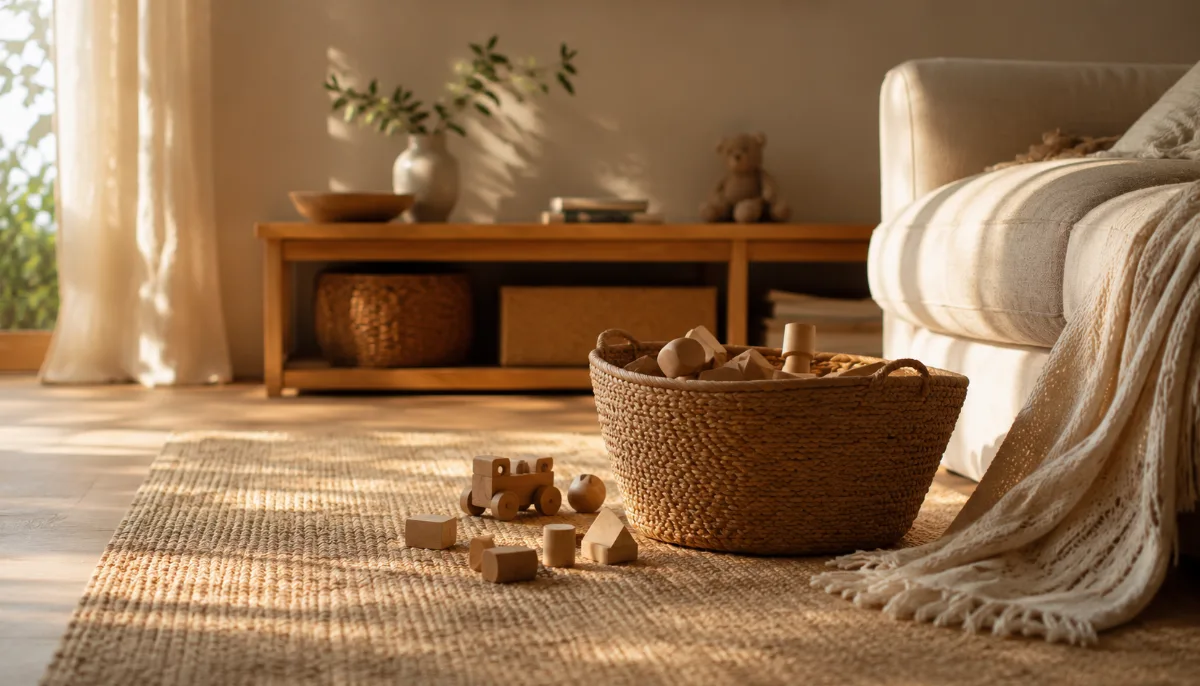
My go-tos are things like a big basket of building blocks (LEGO Duplos for the littles, regular LEGOs for older kids), a dress-up bin with a few fun costumes, or art supplies like crayons, paper, and maybe some playdough. Sometimes, a simple fort-building kit (blankets, clothesline, clips) is all you need.
Put these out in an inviting way. Maybe spread a blanket for the blocks, or set out paper and crayons at the table. This clearly signals, "Here are some fun things to do!" It gives the kids a starting point without boxing them in.
Step 3: Prepare the Environment (beyond Just Toys)
Playdates aren't just about the toys, they're about the whole vibe. A little bit of prep goes a long way. Think about the basics: snacks, drinks, and a designated "quiet" area if things get too loud.
Have a small, easy-to-access snack tray ready with some fruit, crackers, or pretzels. Don't go overboard, just enough to stave off the "I'm hungry" whines. Water bottles are always a good idea too. Hydrated kids are generally happier kids.
And if you have a sensitive kid (or two!), consider creating a cozy corner with a few books and pillows. Sometimes, kids just need a break from the social intensity. It’s good to have that option available without making a big deal out of it.
Step 4: Communicate (gently!) with the Other Parent
This one can feel a little awkward, but it's worth considering, especially if you have a friend who tends to bring an entire toy store to your house. You don't have to give a lecture, just a casual heads-up.
Something like, "Hey, just so you know, I try to keep the toy situation pretty simple for playdates here. We'll have blocks and art supplies out!" Most parents will totally get it. They might even be relieved not to have to police a giant bag of their own toys.
If they do bring something, and it starts causing issues, a gentle redirect is fine. "Oh, that's a cool toy! Maybe we can put it aside for a bit so everyone can play with the blocks together?" You're not being mean, you're protecting the playdate vibe.
Step 5: Embrace and Facilitate Open-ended Play
Once the kids start playing, try not to jump in and direct too much. Let them explore, let them invent, let them even be a little bit bored at first. That's often when the best ideas spark.
Your role here isn't to be a cruise director. It's more like a subtle stage manager. You can offer a prompt if they seem stuck – "What if that block was a car? And this one was a ramp?" But mostly, step back and observe.
Sometimes, I'll join in for a few minutes, especially if they're building something big, just to get the momentum going. But then I'll "oh, I just remembered I need to check something in the kitchen!" and gracefully bow out. They usually don't even notice I'm gone.
Step 6: Don't Stress the Post-playdate Mess (too Much)
Even with fewer toys, play can still get messy. That's okay! A little mess means they were truly engaged and having fun. The difference here is that it's a manageable mess, not an overwhelming one.
My rule of thumb: If it can be swept up or put back into one or two designated bins, I’m good. The benefit of quality over quantity is that the cleanup time is significantly reduced. You're not sorting through a thousand tiny pieces from 15 different sets.
I usually do a quick 10-minute tidy right after the guests leave. Sometimes I even get my own kids to help. "Let's put the blocks in the block bin! Yay!" It's part of the routine, and owing to there's less stuff, it doesn't feel like an impossible task.
Making It Stick & Common Mistakes to Avoid
Okay, so you’ve had a few successful, calmer playdates. How do you keep this momentum going? It’s easy to slip back into old habits, especially when life gets busy. And there are a few common pitfalls that can derail your efforts.
The biggest hurdle for me was letting go of the idea that I needed to be "the fun house" with all the cool new toys. That's a lot of pressure, and honestly, kids often prefer simpler things anyway.
A perfectly curated playroom isn't magic. It's an invitation for kids to create their own magic.
Mistake 1: Thinking "quality" Means "no Toys"
This isn't about having a completely barren play space. That can actually be overwhelming in its own way, or just plain boring. "Quality" means curated, intentional, and open-ended.
We're aiming for a thoughtful selection, not an empty room. Think about toys that encourage imagination, creativity, and collaboration. Blocks, art supplies, dress-up clothes, even just a pile of pillows and blankets for fort building. Those are the "quality" items.
It's about having enough to spark play, but not so much that it causes decision fatigue or constant arguments. Find that sweet spot for your kids and their typical playmates.
Mistake 2: Over-scheduling or Over-planning
It’s tempting to try and jam-pack a playdate with activities, especially if you’re worried the kids won’t entertain themselves. We want to be good hosts, right? But sometimes, less structure is actually more.
Resist the urge to have a minute-by-minute itinerary. The beauty of open-ended play is that it unfolds naturally. If you’ve provided the right environment and a few good tools, let the kids take the lead.
Having a loose plan is fine – "We'll start with blocks, then maybe some drawing before snack time." But be flexible. If they're deeply engaged in one thing, let them stick with it. Don't interrupt good play just because your "schedule" says it's time for the next thing.
Mistake 3: Forgetting About the Grown-ups' Experience
A playdate is also for the parents! If you're constantly stressed, mediating fights, or cleaning up, you're not going to enjoy it. And if you're not enjoying it, you're probably not going to want to host another one anytime soon.
This entire approach is designed to make the grown-up experience better too. Less stress, more actual conversation, maybe even a moment to sip your coffee while it's still hot. Don't feel guilty about setting up the playdate in a way that benefits you as well.
You’re not just providing a space for your kids to play. You're also creating a social opportunity for yourself. Make sure it's a pleasant one for you by minimizing the potential for chaos.
Mistake 4: Not Setting Expectations for the Kids
Kids thrive on routine and clear boundaries. Before the friends arrive, have a quick chat with your own kids. "Okay, when so-and-so comes over, we're going to play with the blocks and the art supplies in the living room. Let's make sure we share, okay?"
This gives them a heads-up and sets the stage for cooperation. It also helps manage their expectations about what toys will be available. If they know ahead of time that their special, delicate toy isn't going to be out, they're less likely to freak out when a friend tries to grab it.
Remind them of sharing rules, and that sometimes friends like to play differently. A little proactive communication can prevent a lot of tears (both theirs and yours).
Frequently Asked Questions
My kid only wants to play with their specific toys. How does this help?
This is super common! When you declutter and choose a few select "star" activities, it limits the options for that possessiveness. By putting away the overly specific or highly coveted items, you encourage them to engage with the shared, open-ended toys. It shifts the focus from "my precious" to "our adventure."
The Bottom Line
Being a mom is hard enough without feeling like every social interaction needs to be a perfectly orchestrated event. My biggest lesson in all this? Less stuff doesn't mean less fun. Often, it means more.
More imagination, more cooperation, and honestly, more peace and quiet for us. You don't have to overhaul your whole house overnight. Start small. Put away half of the toys in your living room before the next playdate. See what happens.
You might be surprised at how much better everyone feels. And if it means you get to actually finish your coffee while it's still warm? Well, that's just a damn bonus. You got this! 👋