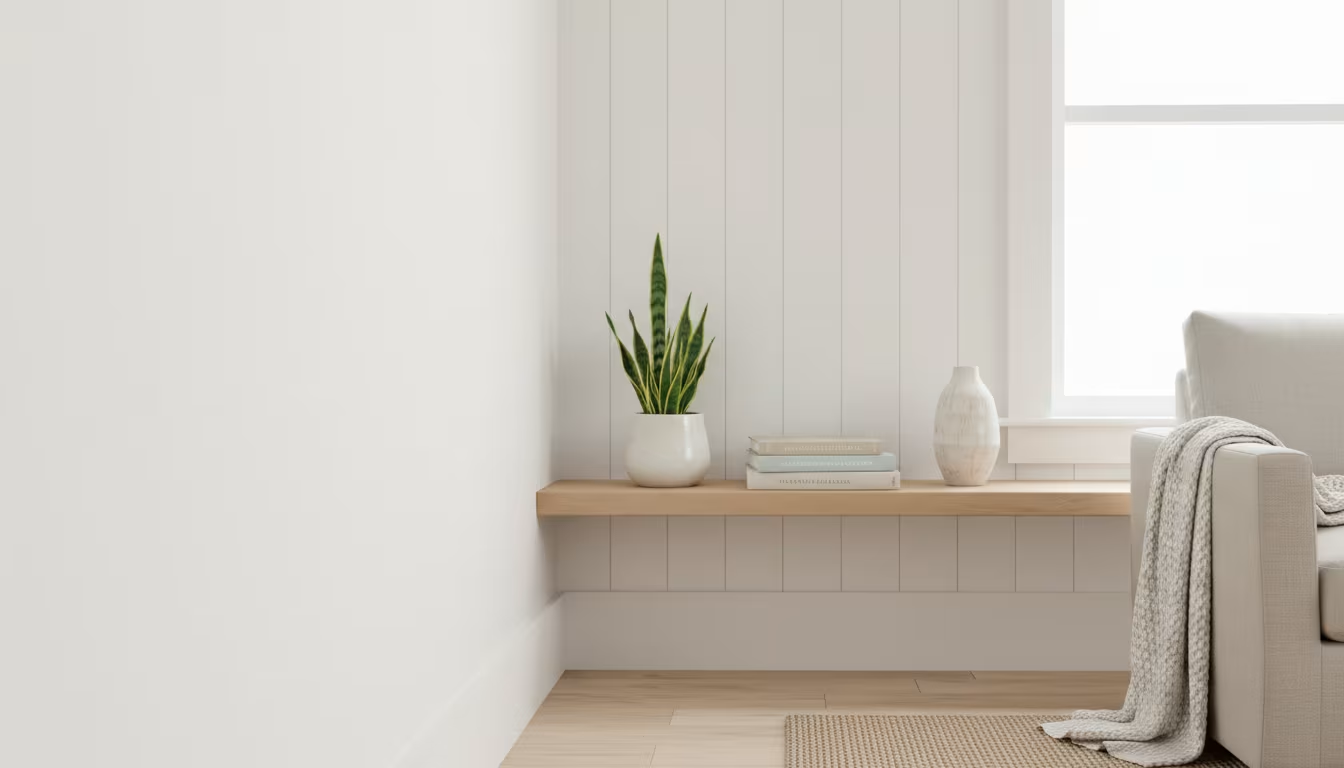

How to Create a Minimalist Entryway That Sets the Tone for Your Home

Okay, raise your hand if you’ve ever walked in your front door, dropped your bag, kicked off your shoes, and immediately felt like you were drowning in a pile of stuff? 🙋‍♀️ Yeah, me too.

My entryway used to be a disaster zone. A constant tripping hazard of backpacks, mail, rogue socks, and those shoes nobody in the house claims.

It’s the first thing you see when you get home, right? And for me, that first sight used to scream "chaos lives here!"

Today, we're going to tackle that beast. We’ll talk about why this space actually matters, how to purge the junk, and how to set up a system that even your five-year-old (mostly) follows.

No fancy Pinterest boards needed, just practical steps to make coming home feel, well, good.

Why This Actually Matters

Look, I know what you’re thinking. "Eleanor, I've got bigger fish to fry than a perfectly organized shoe rack." And you're not wrong, mama.

But hear me out: your entryway isn't just a place to dump your keys. It's the literal transition point between the outside world and your home.

When it’s a jumbled mess, that outside chaos just spills right in with you. It’s hard to feel calm and settled when you’re tripping over a scooter before you even take off your coat.

For years, every time I walked in, I felt a little prick of stress. It was a subtle, low-grade irritation that started my evening off on the wrong foot, literally and figuratively.

I’d spend five minutes hunting for my keys every morning, then another three yelling at the kids to find their damn shoes. That’s eight minutes of pure frustration before coffee.

Once I streamlined this space, it was like a tiny weight lifted. It’s not about being perfect, it’s about making your daily life just a tiny bit easier.

And honestly? That tiny bit adds up.

What Even IS a Minimalist Entryway?

When I say "minimalist entryway," I’m not talking about an empty, sterile space. Nobody wants to live in a museum, especially not with kids around.

What I mean is an intentional entryway. Every single item in that space should have a purpose and a designated home.

It’s about function over excess. It’s about keeping only what you truly need right by the door, and making it super easy to put things away.

Think about the stuff that accumulates there: coats, shoes, bags, mail, keys, dog leashes, kids’ random rocks. A minimalist approach just says, "Okay, let's give each of those things a logical, easy spot."

It cuts down on decision fatigue, too. Instead of staring at a pile of shoes wondering where yours are, you know exactly where to look.

The Core Principles of a Low-Stress Landing Strip

There are a few simple ideas that guide this whole thing. Once you get these, everything else kind of falls into place.

  • Everything Has a Home: This is the golden rule of pretty much all decluttering. If it lives by your door, it needs a specific spot it belongs in when not in use.
  • One In, One Out (Sometimes): Not a hard and fast rule for the entryway, but if you buy new hooks, consider if you really need the old ones. Or if you bring in a new decorative item, does something else need to go?
  • Easy Access, Easy Put-Away: The system needs to be brain-dead simple. If it's too complicated to put something back, it won't happen. Period.
  • Clutter-Free Surfaces: This one is huge. Try to keep flat surfaces clear. A table that collects everything becomes a magnet for junk.

Let's Get Real: How To Actually Do It

Alright, no more talking about it. Let’s roll up our sleeves. This might feel overwhelming at first, but we're going to break it down. You can do this in an afternoon, or spread it out over a few days.

Whatever works for your schedule, mama.

Step 1: The Purge – Be Ruthless (But Kind)

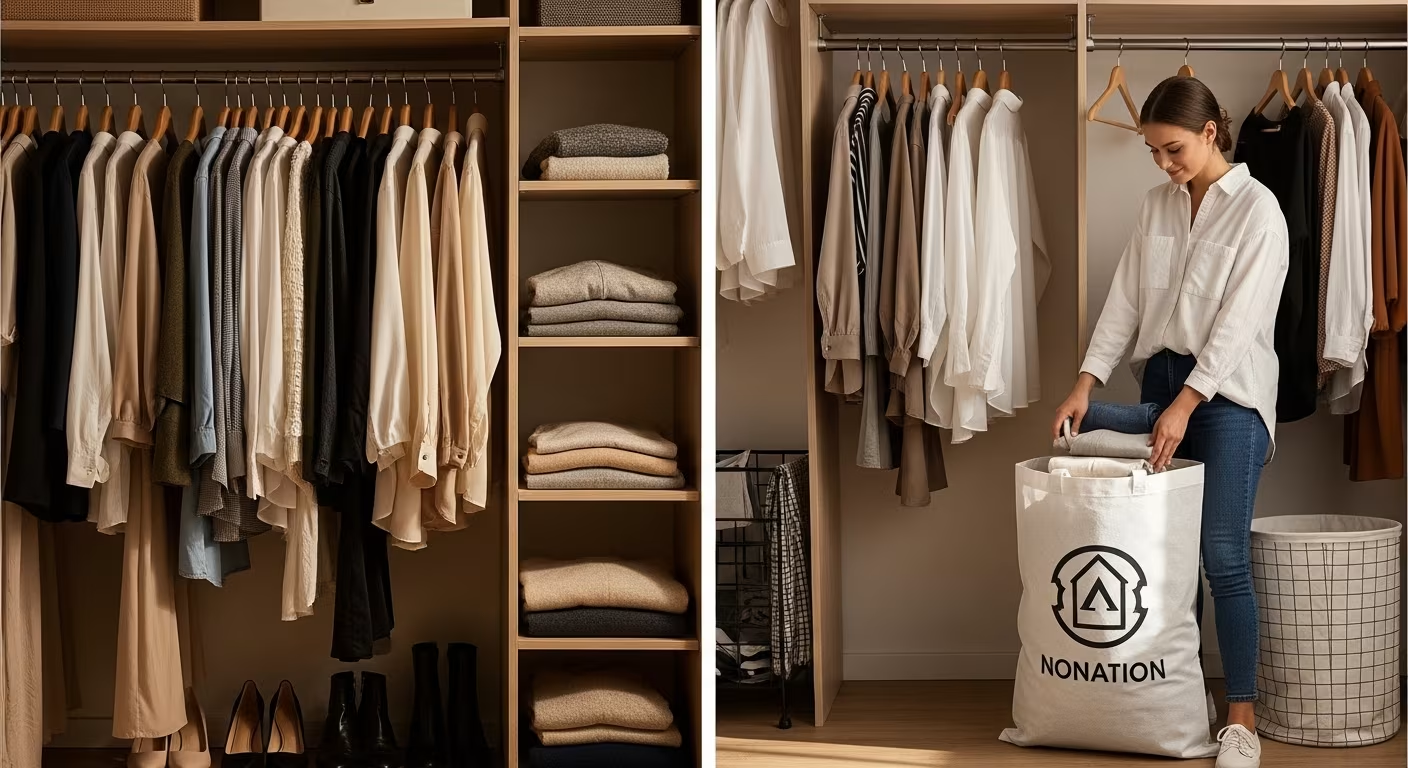
This is where we get everything out. And I mean everything. Take out every single coat, shoe, bag, piece of mail, and random gadget that has accumulated in your entryway.

Dump it all in a big pile somewhere else – your living room floor, a bed. This "mess before the tidy" step is crucial for really seeing what you have.

Now, go through that pile with three categories in mind: Keep, Donate/Sell, Trash.

For "Keep," ask yourself: Does this actually belong in the entryway? Is it used regularly when coming or going? Think about things like the random single glove, the three scarves you never wear, or that pile of old flyers.

I once found a Halloween costume mask in my entryway pile. It was May. We had literally walked past that mask for seven months without batting an eye.

Be honest. If you haven't used it for a season, or if it really belongs in another room (like those craft supplies), it needs to go. My kids often "lose" toys by leaving them near the door, hoping they'll magically find their way to the car.

Put those items into a designated "belongs elsewhere" box to take to their proper homes later. For now, focus on what needs to stay by the door.

Step 2: Define Your Zones

With your "Keep" pile considerably smaller, it's time to think about where things will live. Imagine your entryway like a mini-ecosystem, with different zones for different functions.

You’ll likely need a zone for shoes, a zone for coats/bags, a zone for keys/mail, and maybe a small spot for kid-specific items.

If you have a really tiny entryway, these zones might overlap or be stacked vertically. That's totally fine.

Think about the flow. Where do you naturally kick off your shoes? Where do you hang your coat? Where do you drop your keys the second you walk in?

Designing around these natural habits makes the system much more likely to stick. My zone for shoes is right inside the door, so no one tracks mud across the house.

Step 3: Invest in Smart, Minimal Storage (Don't Overdo It)

This is where people often go wrong. They purge, feel great, then go buy a massive new storage unit that just fills up with more junk.

Don't do that. After you've purged and defined your zones, you'll have a much clearer idea of what actual storage you need.

For shoes: Do you need a small, open shoe rack? A closed cabinet if you hate looking at shoes? Or just a simple basket for sneakers?

For coats/bags: Hooks are amazing. They're quick, easy, and can hold a lot. Look for sturdy hooks that can handle a heavy winter coat or a loaded backpack. Consider hooks at different heights for kids.

For keys/mail: A small tray on a console table, a wall-mounted organizer with hooks, or a simple key rack. The goal here is a dedicated landing spot that’s easy to use the second you walk in.

For kids’ stuff: A low basket for shoes, a cubby for backpacks, or a set of hooks they can reach themselves. Make it easy for them to participate in the tidying process.

Resist the urge to buy extra storage "just in case." Only buy what you truly need for the items you've decided to keep in the entryway.

Step 4: Create the "Landing Strip"

This is your ultimate drop zone for small, frequently used items. Think keys, wallet, sunglasses, phone.

It needs to be immediately accessible and super obvious. No hunting around.

A small tray on a console table, a wall-mounted shelf, or even a simple decorative bowl on a ledge. That's it.

This is where my brain used to melt every morning. "Where are my keys?!" followed by a frantic search. Now, they go in the same small wooden bowl every single time. It's truly a game-changer for my morning sanity.

The trick is consistency. Make it a habit the second you walk in the door: keys in bowl, wallet on tray.

Step 5: Tame the Mail Monster

Oh, the mail. The absolute bane of every entryway. Flyers, bills, catalogs, school notices – it piles up faster than dirty laundry.

This is where you need a system, and you need to be brutal. The goal is to touch mail as few times as possible.

My system: I have a small paper recycling bin right by the door. Junk mail goes directly in there. No questions asked. I don't even open it sometimes.

For important mail, I have a slim, wall-mounted file pocket. Anything that needs action (a bill to pay, a school form to sign) goes in there. Once a week, I dedicate 15 minutes to going through that pocket.

Magazines, catalogs, or anything not urgent but I want to read later? It goes straight to a designated basket in the living room, not the entryway.

This stops the "mail avalanche" dead in its tracks. It's not a perfect system, but it's a hell of a lot better than the mountain of paper that used to accumulate.

Step 6: Don't Forget the Kids' Gear

Kids come with stuff. Backpacks, tiny shoes, coats, art projects, random sticks they found outside. It's a lot.

Making your entryway minimalist with kids means building a system for them. Not just for you.

Lower hooks are a godsend. My kids can (mostly) hang their own coats and backpacks. Are they always perfectly hung? Hell no. But they're off the floor, and that's a win.

A large, open basket or cubby for shoes is also super helpful. It's easier for little hands to toss shoes into a basket than to meticulously place them on a rack.

For school papers and artwork, I have a policy: it gets reviewed immediately. Important papers go in the mail pocket. Artwork goes on the fridge for a week, then gets photographed and recycled (unless it's a true masterpiece, then it goes into a keepsake bin).

Empowering them to put their own stuff away, even if it's imperfectly, is key to keeping the entryway from being overwhelmed by kid clutter.

Step 7: Keep Decor Minimal and Functional

Remember how I said we're not aiming for sterile? You can absolutely add personal touches to your minimalist entryway. Just keep them intentional.

A mirror is fantastic because it's both decorative and functional. You can do a quick hair check before heading out the door.

One piece of art that makes you smile. Maybe a small plant if your entryway gets enough light (and you remember to water it, ha!).

Avoid knick-knacks, piles of photos, or anything that just collects dust. Every item should either serve a purpose or bring you genuine joy without adding to the visual clutter.

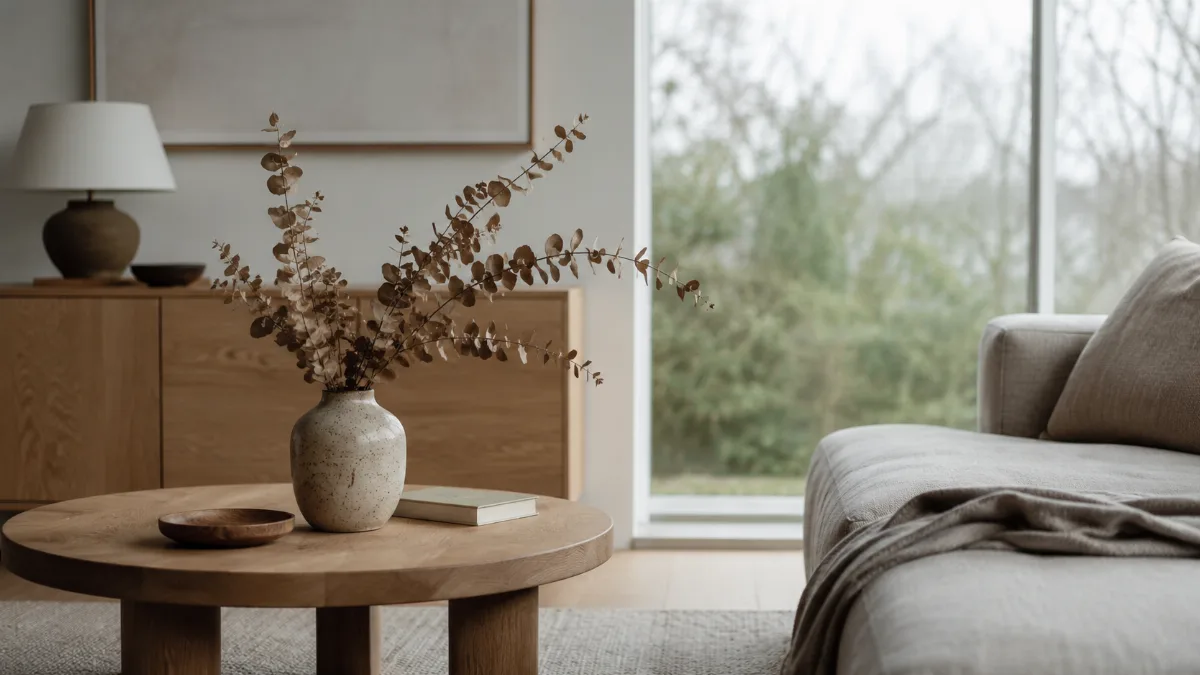
I have a small vase with some dried eucalyptus on my console. It’s simple, smells nice, and adds a bit of warmth without being fussy.

Keeping It That Way (And Not Screwing It Up)

Okay, you’ve done the work. You’ve purged, organized, and set up a system. Now for the hard part: keeping it that way.

The biggest mistake people make is thinking it’s a one-and-done project. It’s not. It’s an ongoing practice, like brushing your teeth.

Things will inevitably creep back in. A new pair of shoes. A pile of fliers. A random toy. It happens. Don't beat yourself up about it.

The key is to have a quick reset routine. I spend about 2 minutes every evening, before bed, just doing a quick pass. Put shoes back, hang coats, clear the mail tray.

It sounds small, but those 2 minutes prevent a bigger, more overwhelming mess later. It's about maintenance, not a massive overhaul every few weeks.

Your entryway isn't just a place to kick off your shoes; it's the first breath your home takes, and the first impression it gives you, every single day. Make it a good one.

Frequently Asked Questions

What if I have no entryway – just a door opening directly into a room?
You're not alone! Many homes, especially apartments or smaller houses, don't have a dedicated "entryway" space. The principles still apply, you just need to be extra creative and utilize vertical space.

Consider a narrow console table against the wall near the door, or even just a set of wall-mounted hooks and a small shoe tray. Define a small "zone" by the door, even if it's just a 2x3 foot area.

Where do all the shoes go? My family has so many!

Shoes are probably the biggest challenge. First, purge! Do you really need 10 pairs of shoes in rotation right by the door? Keep only what you use regularly (daily runners, work shoes, kids' school shoes).

For the rest, store seasonal shoes in closets or under beds. For the "keep" shoes, vertical shoe racks work wonders, or sturdy baskets/bins where each person has their own designated bin. Closed shoe cabinets can hide the visual clutter if you have space.

How do I deal with kid clutter? It feels endless.

Oh, I know this one intimately. Kids are chaos magnets. The key is to make it super easy for them and to have boundaries. Lower hooks for their coats and backpacks, a big open basket for their shoes (don't expect perfect alignment).

For toys that migrate to the entryway, have a "return to sender" bin. At the end of the day, any toy found in the entryway goes into that bin and only comes out when they put it away.

Is a bench a good idea or just another place for clutter?
A bench can be amazing, or it can become a flat surface for doom. If you have the space, a bench with storage underneath (like cubbies for shoes or a lift-top lid for blankets) is functional.

If it's just a decorative bench, it runs the risk of becoming a drop zone for bags, jackets, and random junk. If you get one, make sure it genuinely serves a purpose, like a spot to sit and put on shoes, and commit to keeping its surface clear.

How often do I need to "reset" it to keep it minimal?
Honestly? Daily. But I'm talking a super quick reset. Takes about two minutes. Before bed, I do a pass: hang up coats, put shoes on their rack, clear the mail tray, put backpacks away.

Then, once a week, I do a deeper tidy. Wipe down surfaces, sweep, and reassess if anything new has crept in. It's easier to maintain when you do small, consistent actions.

Is this worth it for families who are always in a rush?
Absolutely. Especially for families always in a rush! That's exactly who benefits most. Think about it: how much time do you lose hunting for keys, yelling about shoes, or sifting through mail when you're already late?

A minimalist entryway is designed to reduce friction and save you precious minutes and sanity. It’s about making your departure and arrival as smooth as possible, even when you’re already behind schedule. It might take a bit to set up, but the daily returns are huge.

The Bottom Line

Your entryway is more than just a transition zone. It’s the first impression of your home, and frankly, the first impression of your day when you walk back in.

It doesn't need to be perfect, or look like a magazine spread. It just needs to work for your family.

Start small, focus on function, and be kind to yourself when things get messy. It’s all part of living in a real home with real people.

You got this. One hook, one shoe rack, one less pile of mail at a time. ❤️