
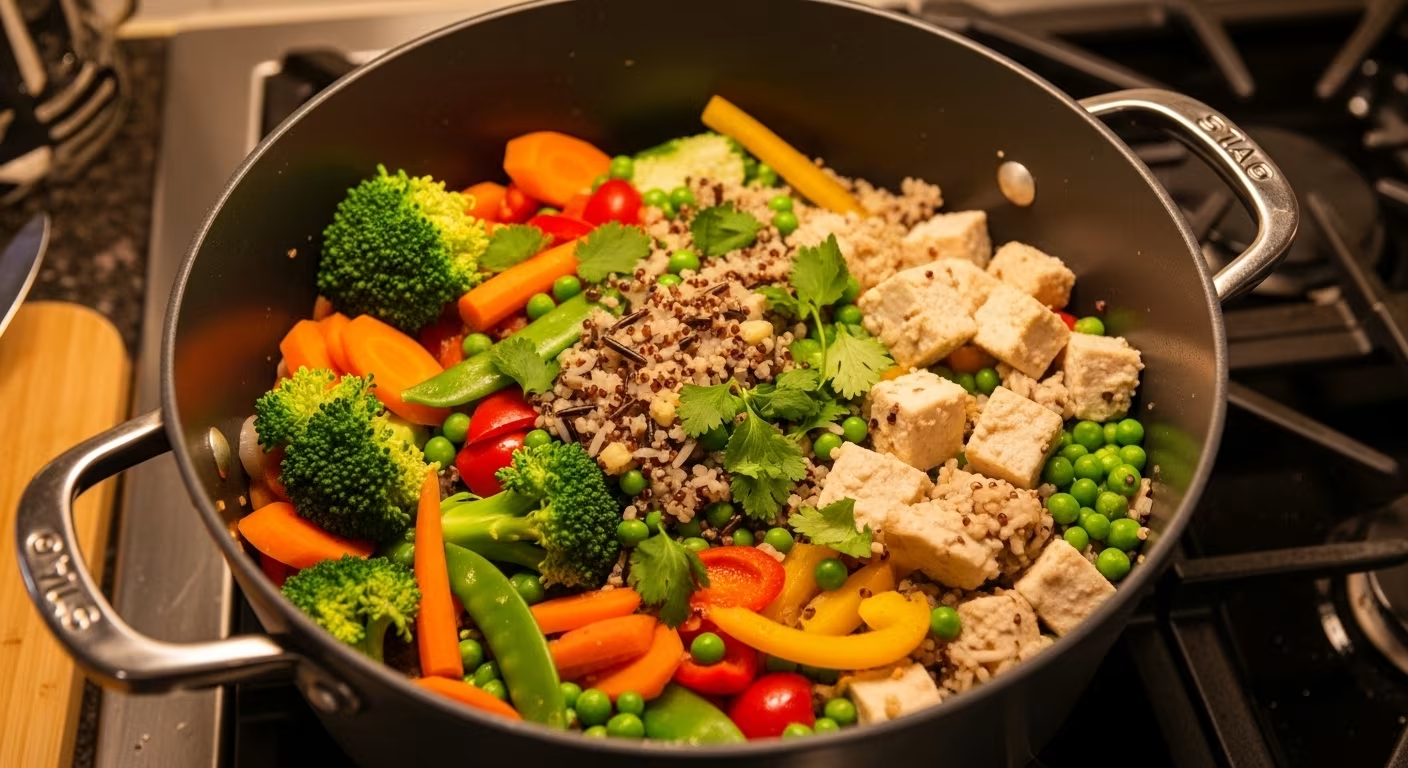

One-pot cooking gets treated as the fallback for nights when there's no time to cook properly. It deserves better than that. Cooking a full meal in a single vessel produces deep flavor, varied texture, and very little active work, precisely because that one pot manages every component of the meal at once instead of forcing you to juggle several.
The payoff runs past the obvious lighter cleanup. The cooking itself is simpler: one heat source, one environment, one thing to watch, rather than three pans at three temperatures all demanding attention on different timers. That reduction in mental load is the real reason one-pot meals fit a busy week.
Why one pot beats several
The biggest advantage is flavor concentration. In a braise, a stew, or a grain-and-protein dish cooked together, the components simmer in each other's liquid and trade flavor compounds that would stay locked apart if cooked separately. A chicken stew where the meat, vegetables, and broth have cooked together for forty-five minutes has a depth that the same ingredients cooked in separate pans and combined at the end simply won't reach.
The practical side is just as real. Start a one-pot dish, bring it to a simmer or slide it into the oven, and come back forty-five minutes later to a finished meal. Total hands-on time is roughly fifteen minutes regardless of how complex the result tastes. The pot does the long, slow work while you do something else.
There's a smaller advantage that adds up over a week: fewer decisions during cooking. A multi-pan dinner asks you to track several things at once, which pot is about to boil over, whether the vegetables are done before the protein, how to time three components so they all arrive hot together. A single pot collapses all of that into one process with one finish line. On a tired weeknight, cutting the number of simultaneous judgment calls matters as much as cutting the number of dishes to wash.
The four formats worth knowing
Almost every one-pot dinner is a variation on one of four formats. Learn these and you can improvise for months without a recipe.
| Format | How it works | Example | Hands-on time |
|---|---|---|---|
| The braise | Brown a protein, add liquid and vegetables, cover, cook low and slow | Chicken thighs with tomatoes and white beans | ~15 min |
| One-pot pasta | Pasta, liquid, and aromatics cooked together until the starch makes its own sauce | Pasta with garlic, greens, and beans | ~10 min |
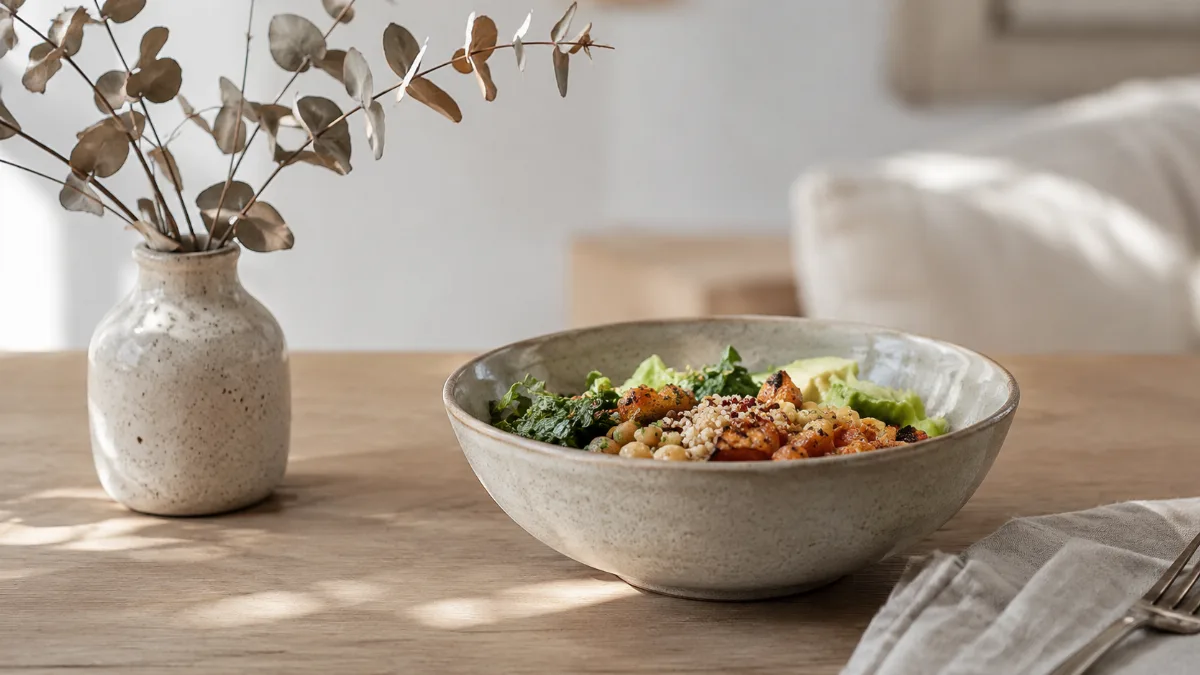
| Grain bowl base | A grain simmered in seasoned broth with protein or vegetables added straight in | Farro with roasted squash and chickpeas | ~10 min |
| Sheet pan | Protein and vegetables roasted together on one tray at one temperature | Sausage with potatoes and peppers | ~10 min |
The braise carries an enormous range of flavor profiles on one technique, from short ribs with root vegetables and red wine to pork shoulder with peppers and potatoes. One-pot pasta beats boiling separately and produces a more integrated sauce. The grain bowl lets the grain drink up the broth while everything else cooks through. The sheet pan isn't technically a pot, but it follows the same logic: one surface, one temperature, the oven doing the work.
Three weeknight dinners on autopilot
A one-pot dinner works best on a busy night when the ingredients are already on hand and prep is short. Three that deliver reliably:
Brown a batch of chicken thighs, add a can of tomatoes, several cloves of garlic, and a can of white beans, then simmer about forty minutes and serve with bread. Or build a lentil and vegetable soup: sweat onion and garlic, add lentils, diced carrots and celery, stock, and any herbs on hand, simmer thirty minutes, and stir a handful of greens in at the end. Or make fried rice from leftover rice, a couple of eggs, whatever vegetables are in the fridge, soy sauce, and a little sesame oil, all cooked together in one pan in about fifteen minutes. That last one is the single most useful technique for clearing out the odds and ends of a week.
Give the pot room and time
Two things separate a great one-pot result from a mediocre one, and neither is a special ingredient. The first is a pot sized to the job: a full Dutch oven for a braise serving four, a wide skillet for pasta or a grain dish. The cooking chemistry needs adequate surface area and volume. Crowd the pot and you get steaming instead of browning, plus more stirring to fix the uneven cooking that overcrowding causes.
The second is time. A dish given an hour at a low simmer beats the same dish rushed in twenty minutes, every time. For weeknights this argues for starting early, when the kids get home or while you handle the evening's other tasks, rather than lighting the burner when dinner is already needed in half an hour. The pot rewards a head start more than it rewards attention.
Cook once, eat twice
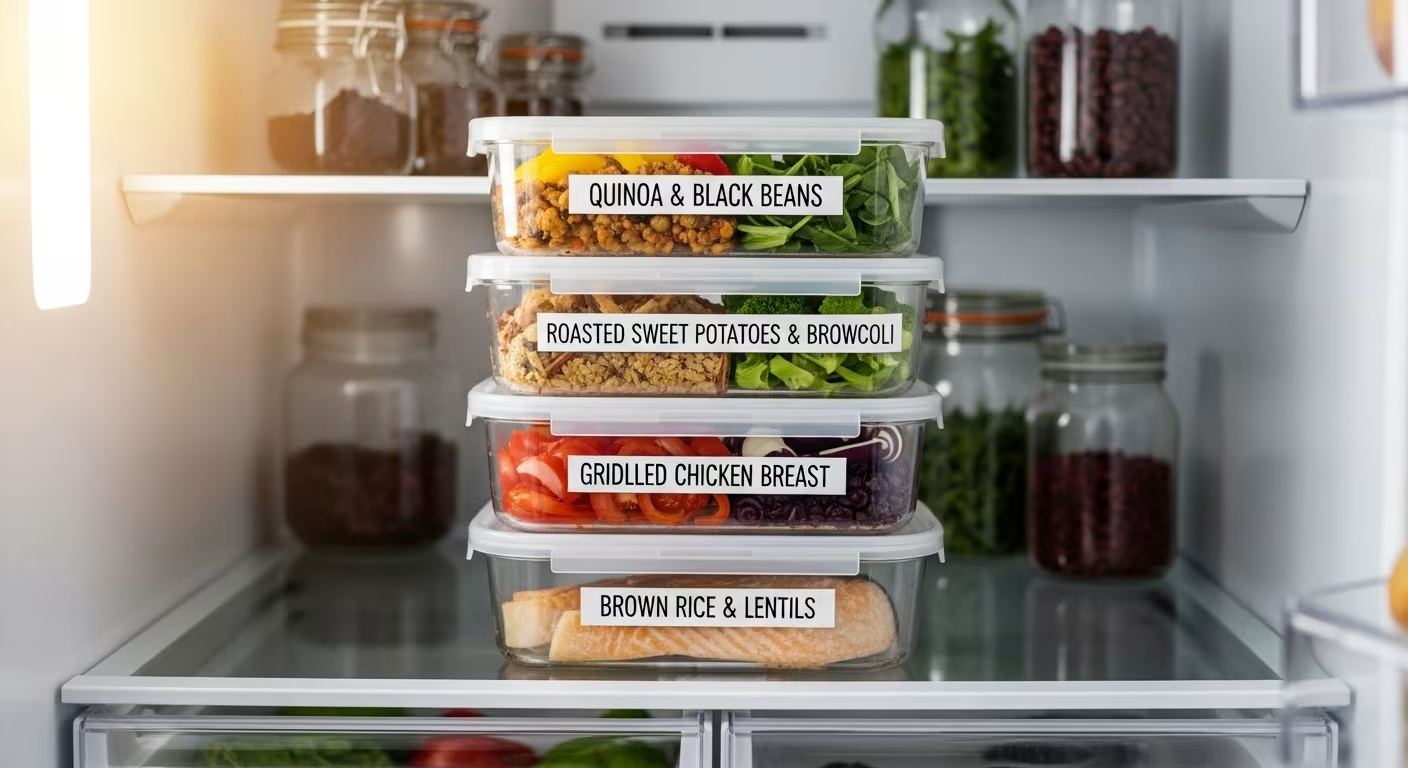
The same pot that makes tonight's dinner makes tomorrow's with one extra step: double the recipe. A doubled braise yields two dinners from one cooking session. A large pot of soup covers three or four meals. A big grain cook becomes the base for several weeknight bowls, each assembled in minutes.
One-pot formats are unusually good for this because the low, slow cooking that builds the best flavor also reheats the best. Braises and stews frequently taste better the next day, as the flavors keep developing in the fridge overnight. Cooking a second portion costs almost nothing in effort and buys back a whole evening later in the week. the University of Nebraska's food-storage guidance makes a similar point.
Stock a pantry that says yes
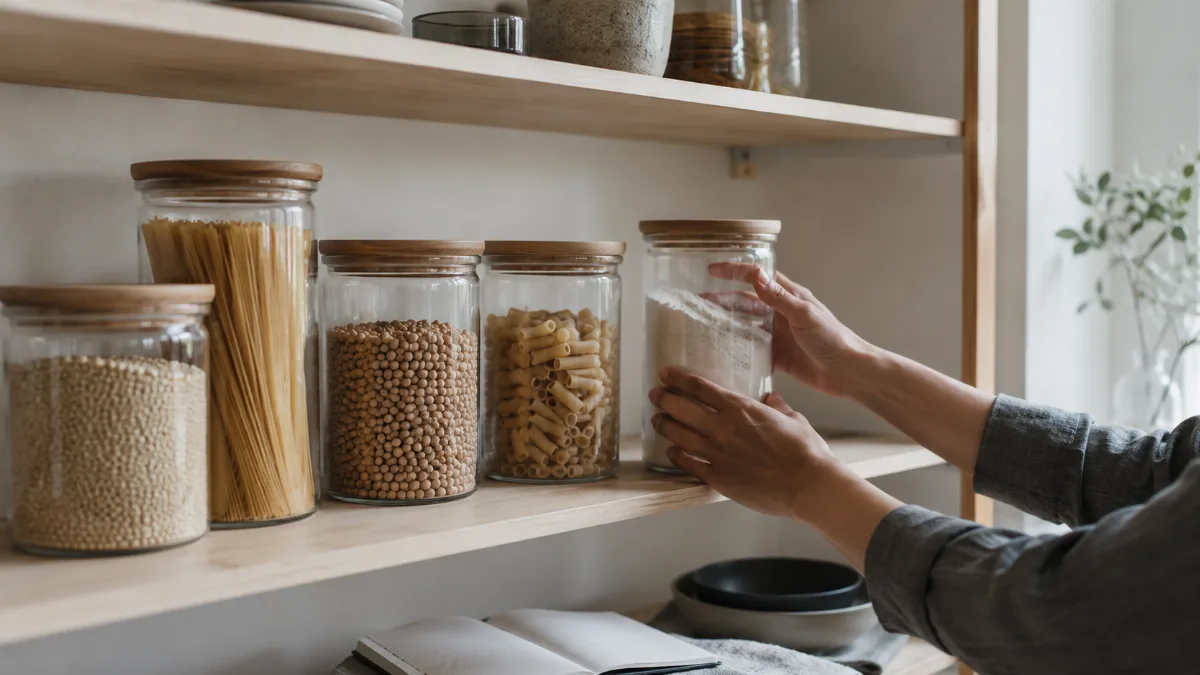
One-pot cooking is easiest when the pantry already holds the elements that make these dishes satisfying: good stock or broth, dried or canned beans, canned tomatoes in a couple of forms, a few grains, and a working set of aromatics. Those combine with whatever fresh ingredients are around to produce a one-pot meal from almost any starting point.
This pantry is actually simpler than the one an elaborate multi-component cooking style demands: fewer single-use specialty items, more versatile staples. A can of white beans belongs in a dozen different one-pot dishes; a specialty sauce bought for one recipe may never get opened a second time. Stocking for flexibility rather than for specific recipes is what keeps the whole approach low-effort.
A short list of finishing touches does a lot of the flavor work here, and none of it is exotic. A splash of acid at the end (lemon, vinegar, a spoonful of the liquid from a jar of pickles) lifts a braise or soup that tastes flat after an hour in the pot. A handful of fresh herbs, a grating of hard cheese, or a drizzle of good olive oil stirred in off the heat adds the brightness that long cooking tends to mute. Keeping those on hand means a plain pot of beans or lentils finishes as something you actually want to eat rather than something merely filling.
Adapt it to any diet
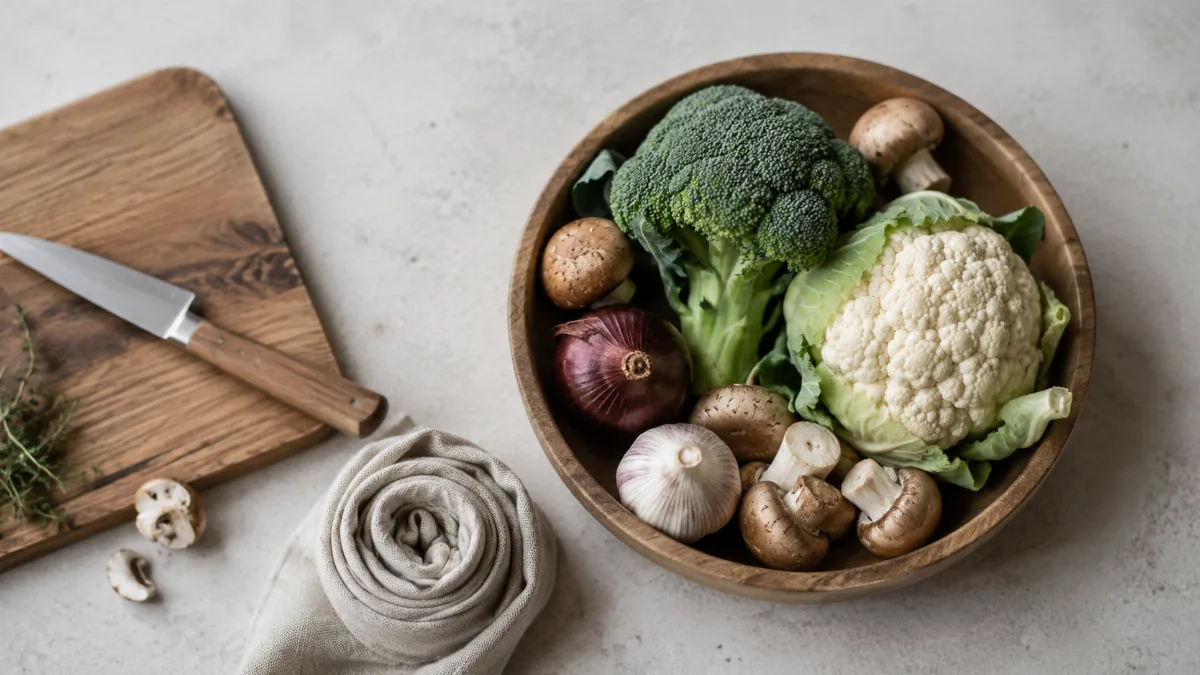
One-pot cooking bends to different diets without separate recipes or new techniques. A braise built on chickpeas and root vegetables instead of chicken gives the same deep-flavored result. A grain bowl made with vegetable broth and whatever produce is in season lands as satisfying and complete as one built around meat. Because the format is defined by method rather than by a specific ingredient, swapping the protein while keeping the grain, vegetable, and liquid consistent is straightforward.
That flexibility lets one household cover several preferences from a single pot without cooking multiple dishes at once. It also makes the technique easy to learn, because the long cook times that produce the best flavor also forgive timing mistakes. The best first practice is a plain braise: a protein, aromatics, one liquid, an hour at low heat. What you learn from that one dish transfers directly to hundreds of variations, so the skill keeps compounding instead of resetting with every new meal.
Comments
No comments yet.