
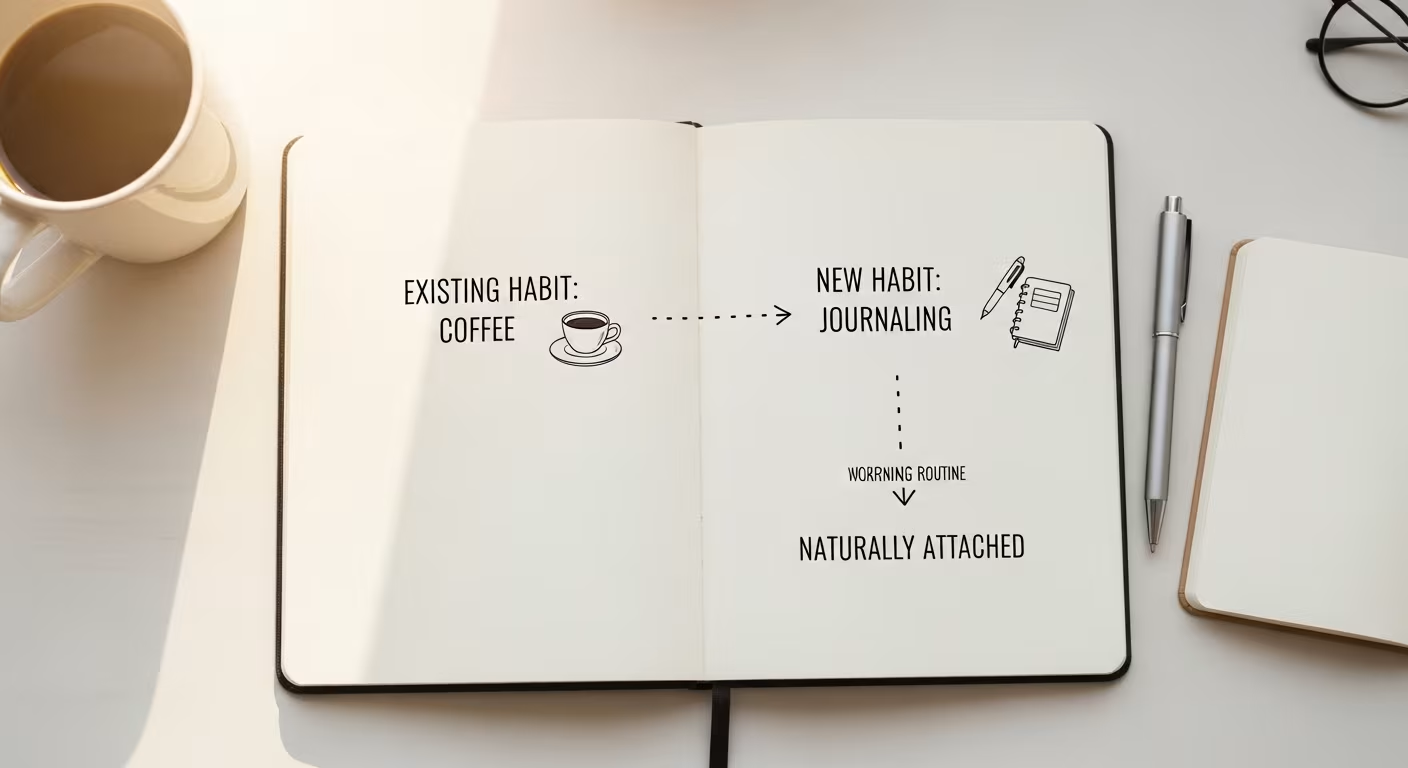
Habit Stacking: Build Routines That Actually Stick
Habit stacking attaches a new behavior to a rock-solid existing one, starts absurdly small, and...

Habit stacking attaches a new behavior to a rock-solid existing one, starts absurdly small, and...
Two or three goals beat ten because attention and hours are finite. Convert aspirations into...

The two-minute rule: finish any task under two minutes on contact instead of tracking it, which...

Minimalist journaling in five minutes a day: three core prompts, a bar low enough to survive bad...

Time blocking assigns fixed windows to specific work so you decide once, not all day long. Block...

A minimalist weekly plan built on one 15-minute review of three questions, plus a 90-second...

Habitual buying is an engineered loop, not a willpower failure. A tiered waiting interval...

Minimalism asks what to keep; frugality asks how to spend. They overlap at secondhand buying but...

Why the best gifts rarely cost the most: specificity, experiences, consumables, and time beat...

Fewer stops, longer stays, and a rental kitchen cut family trip costs. A per-day cost table...