
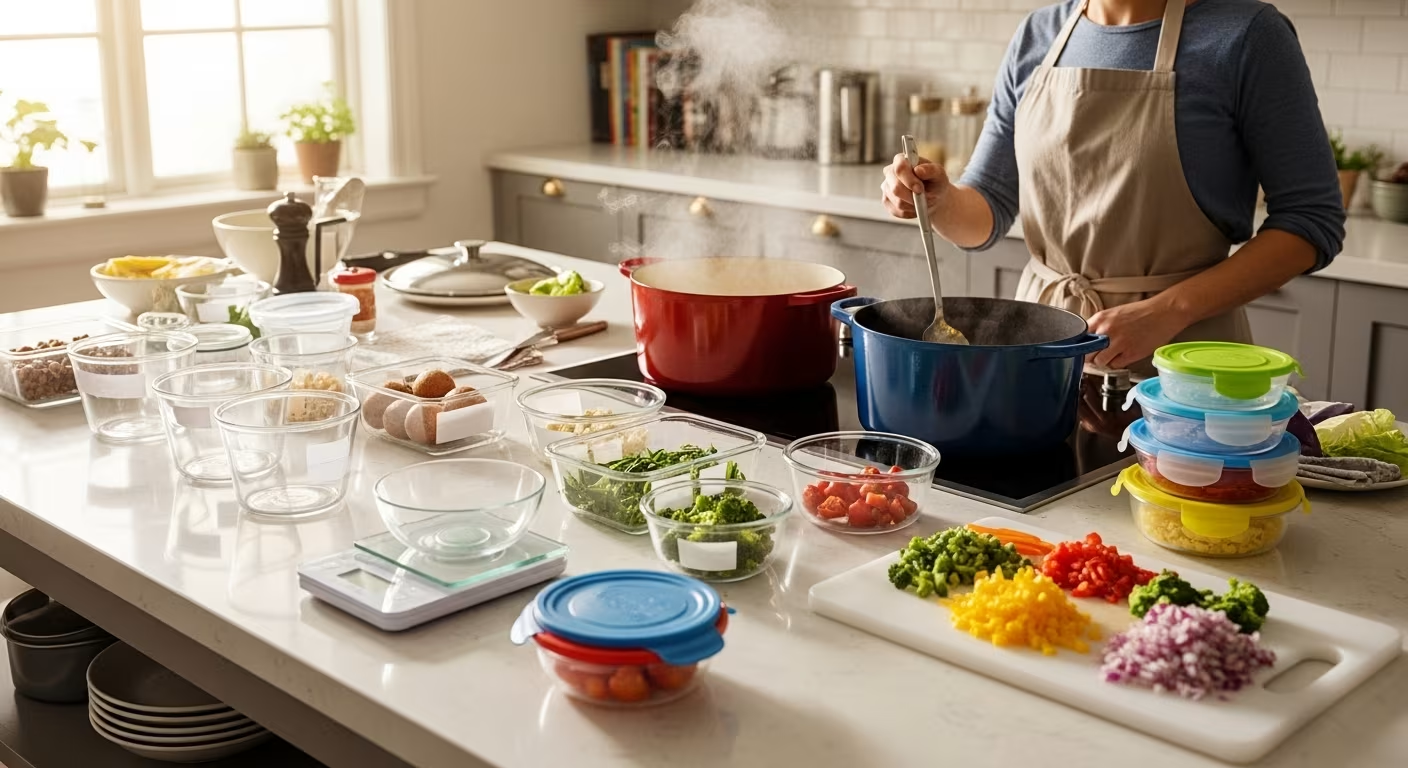

The weeknight dinner problem is a time problem, not a skill problem. Most people can cook a good dinner; what's hard is doing it in thirty minutes after a long day, around children, homework, and everything else a weekday evening demands. The fix isn't to cook faster on weeknights — it's to move the actual cooking work to a time when energy exists, and to assemble rather than cook on the nights when it doesn't.
Batch cooking means preparing larger quantities during one dedicated session so that weeknight meals come down to reheating and assembly. The total time spent is the same or a little less; what changes is how it's distributed, so the busiest evenings carry the lightest cooking load.
What Batch Cooking Is Not
Batch cooking is not packaging seven complete dinners on Sunday. Fully assembled meals taste five days old by Friday — because they are — and the plan collapses the moment Tuesday's carefully boxed dinner isn't what anyone feels like eating on Tuesday. Complete-meal batching trades one problem for two: monotony and inflexibility. University of Minnesota Extension's meal-planning guide is a useful outside reference here.
Effective batch cooking prepares components, not finished plates: cooked grains, roasted vegetables, a cooked protein, a pot of beans, a batch of sauce or dressing. Those pieces recombine in different arrangements through the week, so the same prepared ingredients produce variety instead of repetition.
The Minimal Batch Session
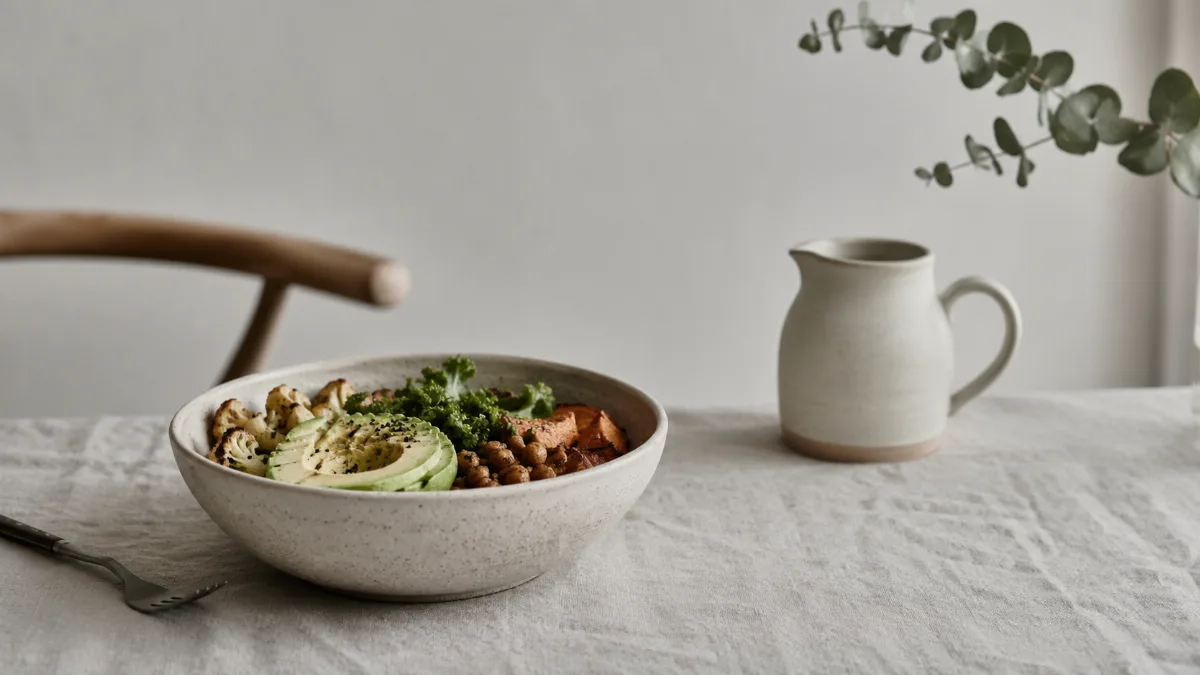
The version that actually sticks is the small one: one to two hours on a weekend day, producing three or four components that will turn up across several meals. A practical example — two cups of dry rice cooked (about six cups cooked), one sheet pan of roasted vegetables, a batch of chicken thighs or a pot of beans, and one simple sauce. Those four combine into at least five dinners: a rice bowl with vegetables and chicken on Monday, a grain salad with the same vegetables and beans on Tuesday, a quick soup from the bean liquid and leftover vegetables on Wednesday, pasta with the sauce and whatever protein remains on Thursday, and a grain bowl with a fried egg on Friday.
Start From the Week's Meals
Good batch cooking starts from the week's planned meals, not a generic list of things to cook. If the plan includes a curry, the session cooks the rice to go with it; if it includes tacos, the session cooks the beans and the protein. Deriving the components from the plan is what guarantees they get used. Batch a standard set of components without checking them against the plan and you end up with a fridge full of things that don't quite combine into anything you meant to make — forcing either a detour from the plan or extra cooking to bridge the gap.
Season Components Lightly, Finish on the Plate
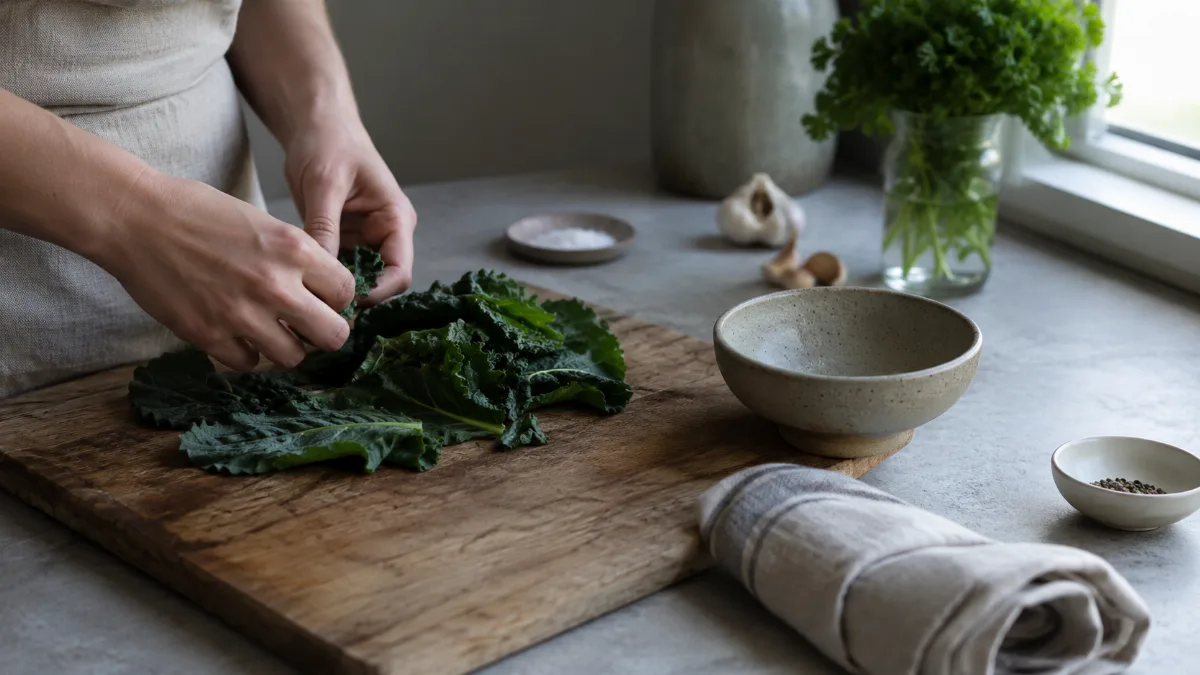
The single change that keeps batched components from feeling repetitive is seasoning them lightly during the session and finishing each meal at the plate. Rice cooked with nothing but salt can become a bean-and-salsa bowl on Monday and the base of a stir-fry on Wednesday; the same rice cooked with cumin and lime locks itself into one direction. Roast vegetables with olive oil, salt, and pepper only, then push them toward a cuisine at assembly — a spoon of pesto one night, soy and sesame the next, a dab of harissa after that. Cook proteins simply for the same reason. The finishing touches — fresh herbs, a squeeze of citrus, a drizzle of good oil, a handful of toasted seeds — take under a minute at the plate and do more for how a meal tastes than an hour of elaborate batch prep. Neutral components stretch across five different dinners without anyone noticing they came from the same pot.
How Long Components Keep
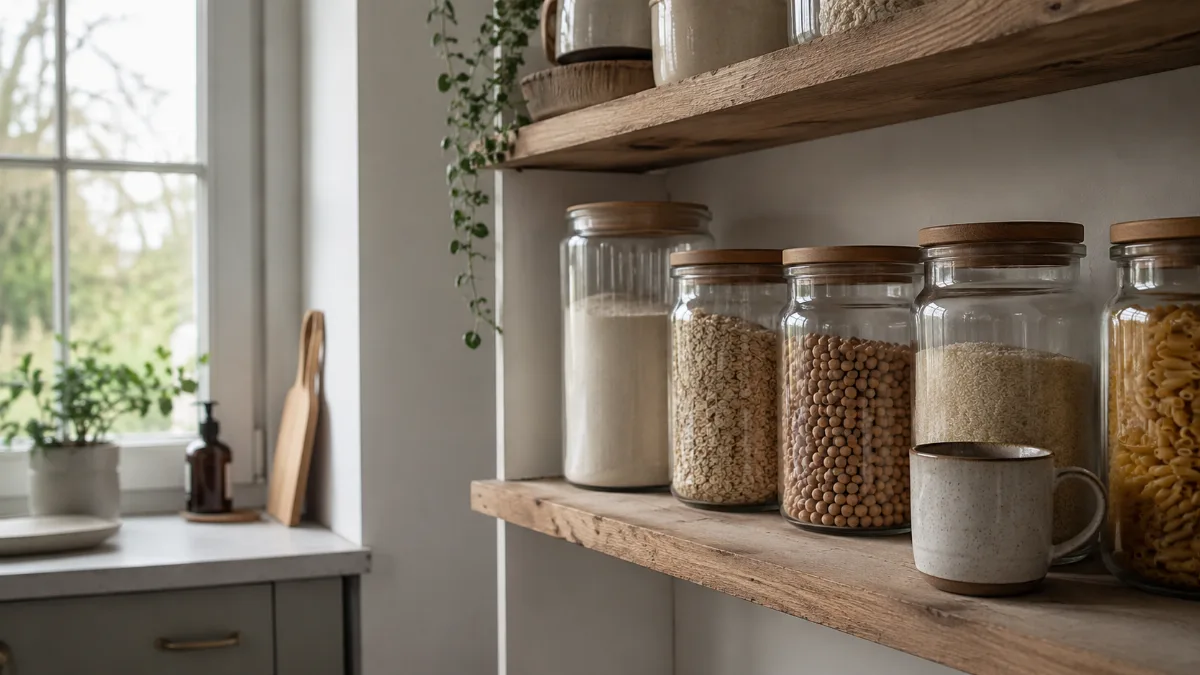
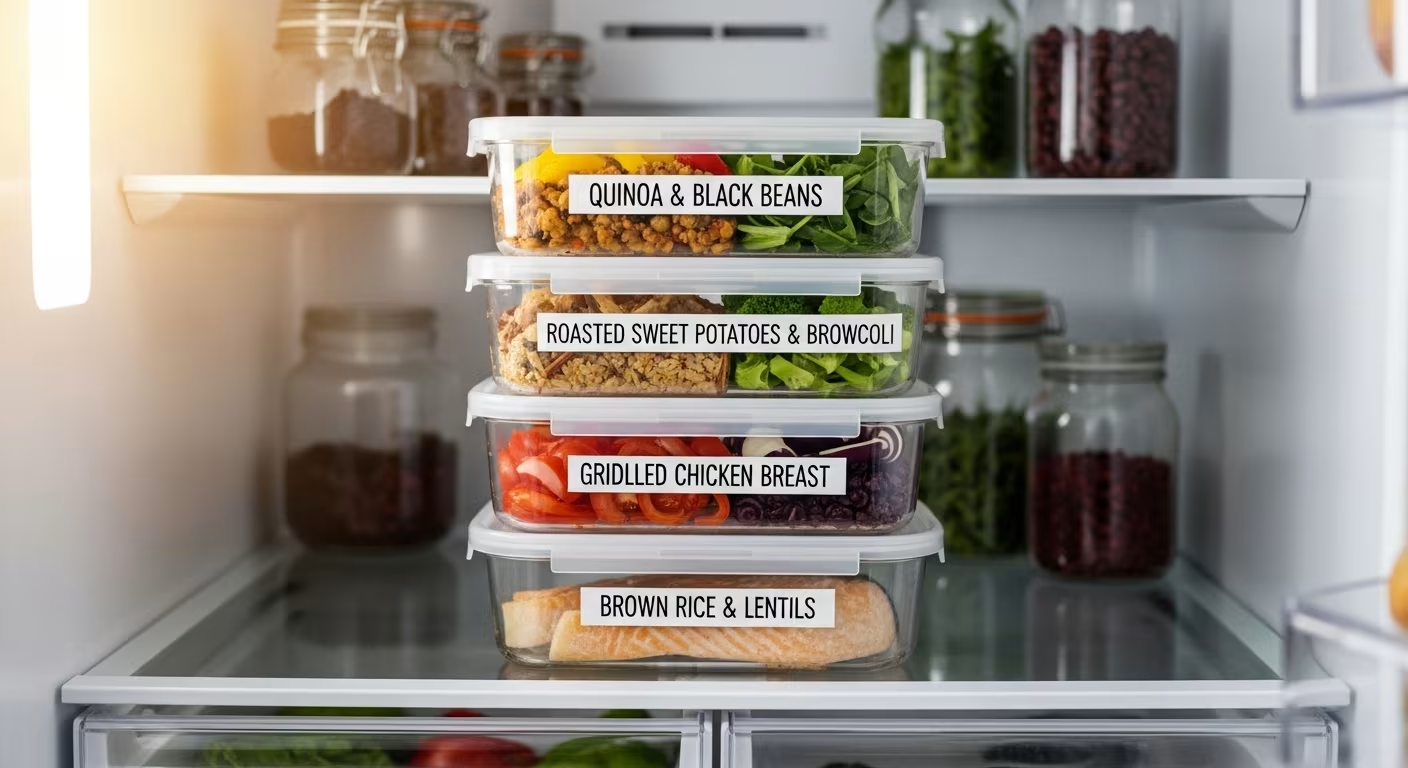
Different components hold for different lengths of time, and building the week around that keeps quality even instead of excellent on Monday and tired by the weekend. Cooked grains hold about five days in the fridge; cooked proteins are best inside three to four; roasted vegetables are best within three; most sauces and dressings keep five to seven days depending on what's in them. Plan the more perishable components into early-week meals and the sturdier ones later. How you reheat matters as much as how long things keep: grains come back to life with a splash of water and a lid, proteins are best warmed briefly rather than blasted (which dries them out), and roasted vegetables crisp up again in a hot pan or oven instead of going soft in the microwave. Storing components in clear containers, labeled with the date, makes the timeline visible at a glance so nothing gets pushed to the back and forgotten past its window.
| Component | Refrigerator | Freezer |
|---|---|---|
| Cooked grains (rice, farro) | Up to 5 days | Freeze spread on a sheet pan first |
| Cooked proteins | 3–4 days | 2–3 months |
| Roasted vegetables | Up to 3 days | Best used fresh |
| Beans and legumes | 4–5 days | In 1- and 2-cup portions |
| Sauces and dressings | 5–7 days | Freeze in small portions |
Where the Time Savings Come From
The efficiency of batch cooking comes from how much of it runs in parallel. A sheet pan of vegetables in the oven, a pot of grains on the stove, and a braise alongside all cook at once while asking for almost no active attention. A two-hour session that looks like two hours of work is really closer to forty-five minutes of hands-on cooking — the rest is oven and stove time running unattended while you do other things. Set that against the alternative, thirty to forty-five minutes of active cooking on each of five weeknights, and the same forty-five minutes of batch work is dramatically more efficient, before you even count the payoff of a ten-minute weeknight dinner assembled from what's already prepared.
Starting With One Component
The batch habit that lasts starts with a single component, not a full weekend session. Cook one large pot of grains on Sunday — a fifteen-minute task — and use it as the base for three weeknight dinners. That demonstrates the time benefit concretely before asking for a bigger commitment. The next week adds a second component, then a third. Building from proven value is far more durable than launching into an ambitious complete session that quietly stops happening once the novelty fades. Most people who abandon batch cooking do so because they started with the two-hour Sunday marathon before the habit had any roots; the single-pot start avoids that by making the first win small enough that skipping it feels like the harder option.
Using the Freezer as an Extension
The freezer stretches the whole system. Cooked beans freeze well in measured one- and two-cup portions labeled with type and date. Grains freeze best spread on a sheet pan to set individually before bagging, which avoids the solid brick that forms when they're frozen in bulk. Soups, stews, and braised meats are the best freezer candidates of all — they reheat completely and often taste better after a night or two of rest. Make it a standing rule: double any soup or stew and freeze the second half; cook a full pound of dried beans and freeze whatever the week doesn't use. Within a month the freezer holds a rotating supply of ready components that covers the weeks when time runs short.
None of this needs special equipment, though a few tools help. A large sheet pan or two lets you roast a full quantity of vegetables in one pass; a big Dutch oven or stockpot handles soups, stews, and large batches of grains in a single vessel; and a set of uniform storage containers — glass if you want to reheat in them directly — makes components easy to store, spot, and use across the week. It's a modest investment that pays back across years of faster weeknight dinners.

Comments
No comments yet.