



The back to school season is one of the most commercially intense of the year: school supply displays appear in July, clothing campaigns run from August through September, and the general premise that children need new everything before school starts is repeated loudly enough that it becomes background assumption. Most of it isn't accurate, and the spending it produces is largely optional.
Auditing What's Actually Required
Schools typically provide a supply list. That list is the starting point for what's genuinely required, and it's worth reading it specifically rather than generically. "Five composition notebooks" means five composition notebooks — not five spiral notebooks because they were on sale, and not six because one extra seemed prudent.
Before purchasing anything on the list, go through what's already in the household. Children who have been in school for multiple years have accumulated supplies — pencils, crayons, scissors, rulers, folders — at the end of each school year. Many of these are in usable condition. A fifteen-minute audit of what already exists typically reduces the school supply purchase by a significant percentage.
The supplies with the highest re-use rate: scissors, rulers, calculators, reusable folders, notebooks that weren't fully used. The supplies with the lowest re-use rate: loose crayons (which can be combined regardless of brand), pencil cases, and specialty items that were school-specific rather than generally useful.
Clothing: What Actually Needs to Be New
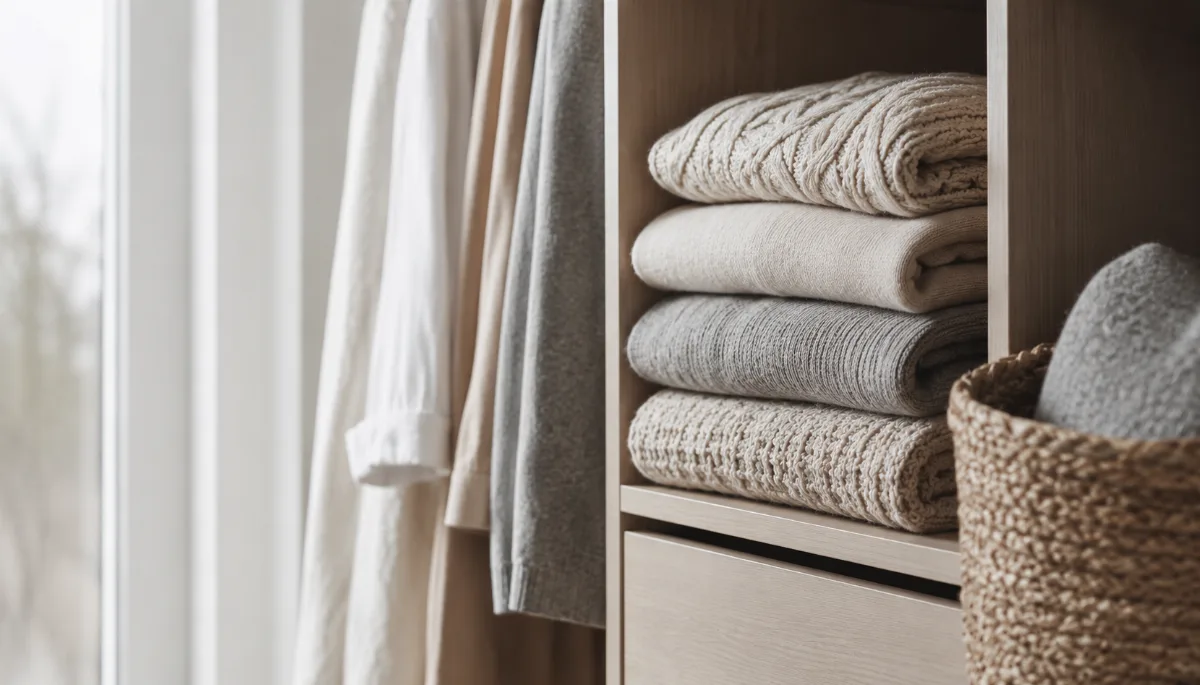
The back to school clothing purchase is where most of the seasonal spending concentrates. Children genuinely do grow, clothes do wear out, and new school year clothing is a legitimate expense. The question is which items actually need to be new rather than which items could be new.
Before purchasing anything, pull out the clothing from last year and assess it systematically: what still fits, what's in good condition, what's been outgrown, and what's worn enough to be worth replacing. This audit, done before September rather than at a store, produces a specific list rather than a general sense that new clothes are needed.
The categories most worth prioritizing: footwear that fits and is in good condition (children's feet grow faster than most other clothing categories); enough bottoms for the school week; a few tops in rotation. The categories least worth prioritizing: matching sets, brand-specific items, and clothing chosen to resemble what other children are wearing rather than clothing that fits and holds up.
The Backpack and Electronics Categories
Backpacks are worth buying once and keeping until they fail. A backpack that's structurally sound and clean is functional regardless of whether it's last year's model. The same applies to lunchboxes, water bottles, and most other accessories. Replacing these annually produces unnecessary expense for items that are designed to last multiple years.
Electronics — tablets, laptops, headphones — represent the largest discretionary purchases in the back to school category. Schools that require specific devices will specify them. For households purchasing electronics for general school use, the question of whether the device needs to be new, refurbished, or an upgrade of what already exists is worth asking before the purchase. Refurbished devices from reputable sellers perform identically to new ones at a lower price.
Setting Up a Workspace That Works

The quality of the homework environment has more impact on actual school performance than the specific supplies used in it. A workspace with sufficient light, a surface that's clear enough to work on, and a location away from the household's primary entertainment areas produces better study habits than a new desk purchased in August.
Most households already have a workspace that works; the issue is that it's not consistently set up or used for homework. Before purchasing homework furniture, use the space that exists and assess whether the problem is the space or the habit. Often it's the habit.
Avoiding the August Marketing

The back to school marketing campaign begins in late July for a reason: families are thinking about school starting and are primed to purchase. The campaign is designed to create a feeling of urgency and incompleteness — the sense that you haven't done what you need to do for your child's school year to go well.
Most of what's marketed in August isn't on any school supply list and isn't needed. A specific list, an audit of what already exists, and a budget for what's actually needed produces a back to school purchase that costs a fraction of what the marketing environment suggests is required. Starting with the list rather than the store is the single most effective way to reduce back to school spending.
Teaching Kids to Evaluate Their Own Needs
Back to school shopping is an opportunity to teach children to distinguish between what they need and what they want — a skill with value well beyond the school supply aisle. A child who participates in auditing last year's supplies, identifying what still works, and making a specific list of what's genuinely needed is getting a more useful education than a child taken to a store to pick out what looks good.
The conversation framework: "Does this still work? Is it in good enough condition to use this year? Does it fit? Is it on the school's supply list?" These questions, applied systematically to existing items, produce a child who understands the logic of deliberate purchasing rather than one who learns that new things appear annually by default.
This conversation can be uncomfortable when the child wants new things that the household is choosing not to buy. That discomfort is worth tolerating rather than avoiding through purchase. The child who learns to differentiate between "I want a new backpack" and "my backpack needs to be replaced" is developing a useful critical faculty.
Handling Social Pressure Around School Clothing
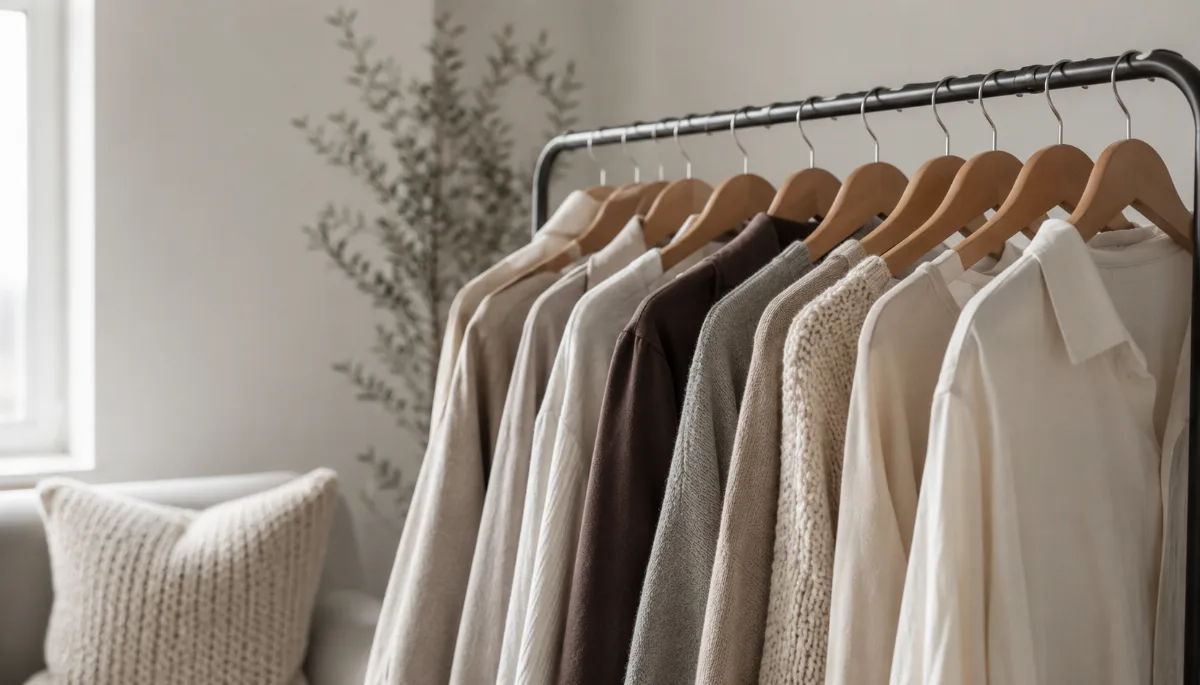
The back to school clothing pressure is social as much as it is commercial — children are acutely aware of what other children are wearing and can experience genuine distress about fitting in. This is real and worth taking seriously rather than dismissing.
The minimalist response is not to ignore the social reality but to identify the minimum that addresses it without over-purchasing. A few items that fit in with the general social context of the school environment, chosen with the child's input, typically addresses the social dimension without requiring a full wardrobe refresh. Children are generally more specific about which items matter socially than parents assume; asking directly often produces a shorter list than anticipated.
What School Actually Needs From You
Schools need children who arrive rested, fed, and with the specific supplies on the required list. They don't need children with the most expensive supplies, the newest backpack, or the most complete set of materials. The school year's academic quality correlates with sleep, nutrition, and parental engagement with education — not with the quality of the school supplies purchased in August.
Redirecting back to school energy toward sleep routines, the first week's schedule, and conversations about the upcoming year produces more actual school-year benefit than spending additional time and money in the school supply aisle.
The school year's success is determined in September not by what was purchased in August but by what habits were established in those first two weeks. Supplies matter far less than sleep, routines, and a calm start to each morning.




Comments