

The Outerwear Overload
Open a typical coat closet and the contents tell a familiar story. A winter puffer, a fall jacket, a raincoat, a fleece, a lighter spring jacket, a down vest, something worn once skiing, and the coat bought in a rush that was always going to be replaced but never was. That is seven or eight coats for two arms and one body.
Most of this outerwear goes unworn for most of the year. A few pieces get continuous rotation; the rest take up space and occasionally produce guilt about not being worn or not being replaced.
The one-coat-per-season approach is a direct response to this. Rather than building a collection that theoretically covers all weather conditions at all formality levels, the approach selects one coat for each active season and uses that coat for the full season. The coat must genuinely cover the season's conditions, which means the selection decision matters more than it does when there are eight options available.
What One Coat Per Season Actually Means

One coat per season does not mean one coat in total. A temperate climate with four distinct seasons produces a different outerwear need than a climate with two. The approach means identifying the genuinely distinct weather conditions that require different outerwear and selecting one coat for each.
For a climate with cold winters and mild summers: a winter coat for the coldest months, a transitional coat for spring and fall, and a light layer for mild summer evenings. That is three coats covering the full year. For a climate with mild winters and hot summers: potentially two coats — a light waterproof for rain and a warm layer for the coldest days — cover the full range.
The specific number depends on actual climate conditions rather than on what coats are available or what might theoretically be useful.
The Selection Criteria for One Coat
When one coat must cover a full season, the selection criteria are more demanding than when one coat is among several options. The winter coat must be warm enough for the coldest days of the local winter, appropriate for the professional contexts the person navigates during that season, and versatile enough to work with the clothing beneath it.
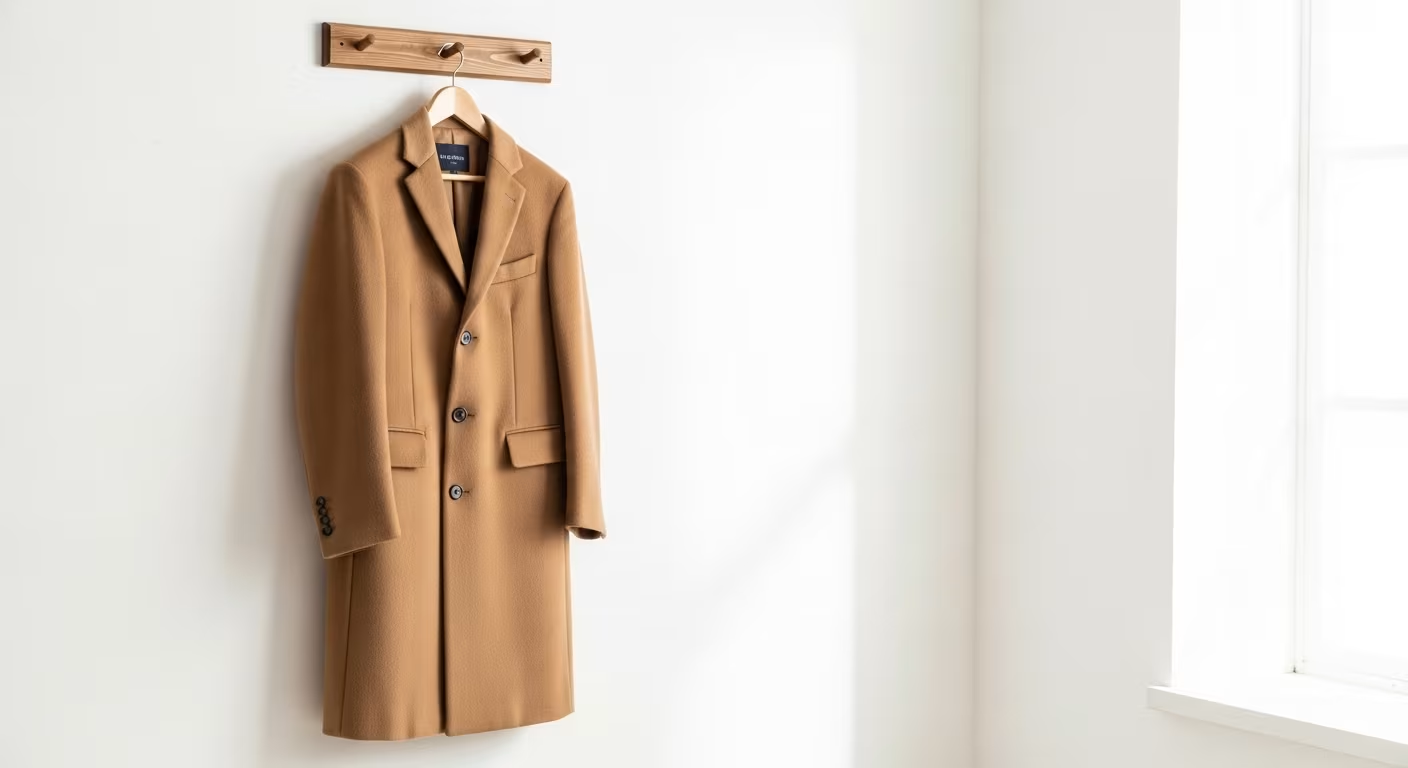
Versatility in outerwear means neutral color, clean silhouette, and absence of strong seasonal or stylistic associations. A strongly fashionable coat works well in the season it is fashionable and less well in the seasons following. A classic coat in a neutral color — black, navy, camel, grey — continues to work regardless of current trends and through multiple winters.
The cost per wear logic applies to outerwear more strongly than to most clothing. A winter coat worn daily for five months of the year accumulates wear quickly. A coat worn every day for five winters has paid for itself handsomely compared to a cheaper coat replaced after two winters.
Waterproofing and Weather Versatility

One common concern with reducing to one coat per season is weather versatility — specifically, handling rain without a dedicated raincoat separate from the warm coat. The practical solution is a warm, waterproofed coat rather than two separate coats for different weather.
Many quality winter and transitional coats include water-resistant or waterproof treatment. A wool coat with a water-resistant outer treatment handles light to moderate rain while also providing warmth. A technical shell or hybrid insulated coat handles rain and wind while being packable enough for warmer days.
The choice depends on the local climate and the specific conditions the coat must handle. In a climate with frequent heavy rain, a waterproofed coat is not a compromise — it is the right single tool for the weather.
Transitional Seasons and Layering

The transition between seasons — the weeks when temperatures vary significantly day to day — is the context most often cited as requiring multiple outerwear options. A coat warm enough for a cold day is too warm for a mild one; a jacket appropriate for mild weather is insufficient for cold.
Layering addresses this without multiple outer coats. A lighter transitional coat worn over a sweater handles cold transitional days; the same coat over a shirt handles mild ones. The layer beneath the coat adjusts to the temperature; the coat itself remains consistent.
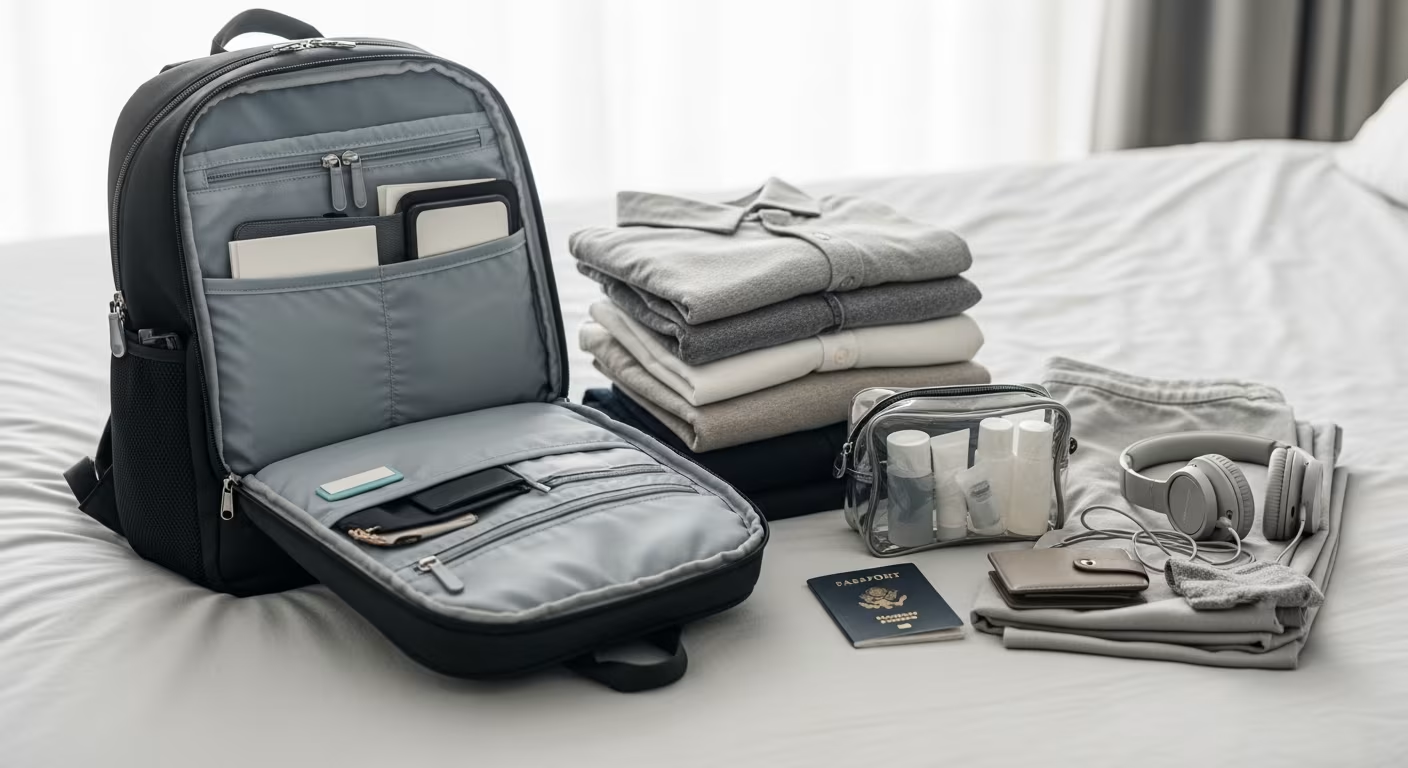
This is the same approach that effective travelers use when packing light for trips with variable weather: one outer layer appropriate for the range of conditions, with layering beneath it providing the temperature adjustment. The same principle applies to daily life.
Letting Go of Outerwear You're Not Wearing
The most useful aspect of the one-coat-per-season audit is the honesty it requires about the coats currently being worn versus those currently occupying space. The eight coats in the closet include the one or two that have been worn throughout the winter and the six that have not.
Those six occupied space, required storage, and added to the visual and mental inventory of the closet without providing any actual warmth on any actual cold day. Releasing them is simpler than it feels — the feeling that they might be needed is not the same as actually needing them, and the pattern of not wearing them reflects actual preferences and conditions rather than a temporary circumstance.
Caring for the One Good Coat

A coat worn daily through a season receives substantial use and benefits from appropriate care to maintain its condition. Proper hanging — on a shaped hanger rather than folded or hung on a hook — maintains the shoulder and collar shape between wearings. Airing after wearing, rather than immediately storing, allows any moisture absorbed from rain or perspiration to evaporate before the coat is put away.
Cleaning frequency depends on the coat's material and exposure. A wool coat worn in a dry climate may need professional cleaning once at the end of the season; a coat worn in rain and heavy urban pollution may need cleaning more frequently. The care investment for one well-maintained coat is typically less than the aggregate care and replacement cost for several cheaper coats with shorter functional lives.
The Emotional Attachment to Coats
Coats often carry stronger emotional attachment than other clothing because they are worn in high-visibility contexts, represent significant purchases, and may be associated with specific periods or memories. The coat worn during a significant period of life, the coat received as a gift for a meaningful occasion — these pieces carry weight beyond their function.
The honest assessment of these pieces is the same as for any other: is this coat being worn, or being stored with an emotional attachment to the period it represents? A coat not worn for two years is not providing warmth or use; it is occupying space as a memory object. If the memory is worth preserving, a photograph serves that function without requiring closet space. If the coat itself is being used, it belongs in the active rotation.
Coats by climate, counted:
| Climate | Coats | Which |
|---|---|---|
| Cold winter + mild summer | 3 | winter coat, spring/fall transitional, light summer layer |
| Mild winter + hot summer | 2 | light waterproof + one warm layer |
| The typical closet | 7–8 | for two arms and one body |

Comments
No comments yet.