


Why Gift Exchanges Often Disappoint
The standard holiday gift exchange produces a predictable pattern: people spend money they might not have on items chosen from inadequate information, received with polite appreciation, and eventually donated or discarded. The experience of giving and receiving gifts is often more stressful than meaningful — tracking purchases, managing budgets, worrying about whether the recipient will like the item, and navigating the social calculus of spending roughly equivalent amounts.
Research on gift-giving and satisfaction consistently finds that givers overestimate how much recipients value gifts relative to their cost, and that recipients experience significantly less pleasure from receiving gifts than givers assume. The social ritual of gift exchange persists largely through inertia and the assumption that everyone else finds it valuable — an assumption that is often mutually incorrect.
The financial cost compounds across extended families. A family with multiple siblings, their partners, and a generation of children can spend hundreds to thousands annually on holiday gifts, much of which produces little lasting satisfaction for anyone in the exchange. The time spent shopping, wrapping, shipping, and managing the logistics of a large gift exchange adds additional cost that the financial figure alone does not capture.
What to Propose Instead

The alternatives to gift exchange that tend to work best are those that redirect the same impulse — to mark the occasion and show care — through a different format. Shared experiences replace objects: a family meal prepared together, a group activity, a day trip. Consumables replace lasting items: food, wine, locally produced goods that will be used and enjoyed without accumulating. Charitable donations in someone's name redirect the spending toward causes that matter to the recipient.
Experience-based alternatives are particularly effective for families with children, where gift overload is most pronounced. A shared outing, a contribution to a savings account or experience fund, or time given to something the child specifically wants — a lesson, a museum visit, a day focused on an interest — often produces more lasting positive memory than another toy that will be forgotten within weeks.
Proposing a spending limit rather than complete elimination is a more gradual step that many families adopt first. Limiting individual gifts to fifteen or twenty dollars redirects the exchange toward thoughtfulness rather than expense. Some families find that operating within this constraint for a few years naturally produces the shift toward experience-based alternatives without requiring a more formal proposal.
How to Raise the Subject

The timing and framing of the proposal significantly affects how it is received. Raising the subject in September or October — well before holiday shopping typically begins — gives everyone time to adjust expectations and plan accordingly. Proposing a change after gifts have already been purchased creates an awkward situation that typically results in the existing plan being followed regardless of the proposal's merits.
Framing the proposal around mutual benefit rather than personal preference produces better reception. "I've been thinking about how much stress the gift exchange creates for everyone, and I wanted to see whether anyone would be open to trying something different this year" is more likely to generate genuine consideration than "I don't want to exchange gifts anymore." The former invites conversation; the latter positions the speaker's preference against everyone else's.
Offering a specific alternative rather than just removing the existing practice makes the proposal concrete and actionable. "Instead of individual gifts, what if we pool what we would have spent and use it for a day out together?" gives people something to respond to and evaluate, rather than leaving a gap that anxiety about "what we will do instead" can fill.
Handling Resistance
Some family members will resist. The resistance typically comes from two directions: genuine sentiment — gift-giving feels meaningful and removing it feels like reducing the occasion — and concern about children's expectations. Both deserve acknowledgment rather than dismissal.
Genuine sentiment about gift-giving is real and worth respecting. Someone for whom finding and giving gifts is a meaningful expression of care should not be told that their way of expressing care is wrong. A response that acknowledges this — "I know you put real thought into gifts, and that matters" — before offering the alternative keeps the conversation productive.
Children's expectations are often invoked but frequently overstated. Children adjust to new traditions faster than adults expect, particularly when the alternative involves activities that are inherently enjoyable. A family that transitions from a large gift exchange to a shared day out or experience typically finds that children are at least as enthusiastic about the alternative as about the previous format, and that the transition is smoother than anticipated.
Establishing a New Tradition

A successful gift-free holiday requires something to replace the structure that gift exchange provided. The exchange created a shared focus for the occasion — something everyone was doing together — and the experience of giving and receiving served as a social ritual that marked the day as special. The alternative needs to serve these functions.
A deliberate shared activity — cooking a meal together, playing games, watching films as a group — provides the shared focus. An explicit acknowledgment of the occasion and of each person present — words of appreciation, sharing what has been meaningful about the past year, or a simple toast that is more intentional than usual — provides the ritual element. The combination replaces what the gift exchange provided without the financial or logistical overhead.
Traditions formed over two to three years become as entrenched as the ones they replaced. The first year of a new holiday format often feels experimental; the second feels familiar; the third feels like how the family has always done it. The initial resistance tends to dissolve as positive associations accumulate with the new format.
Managing Expectations Around Children
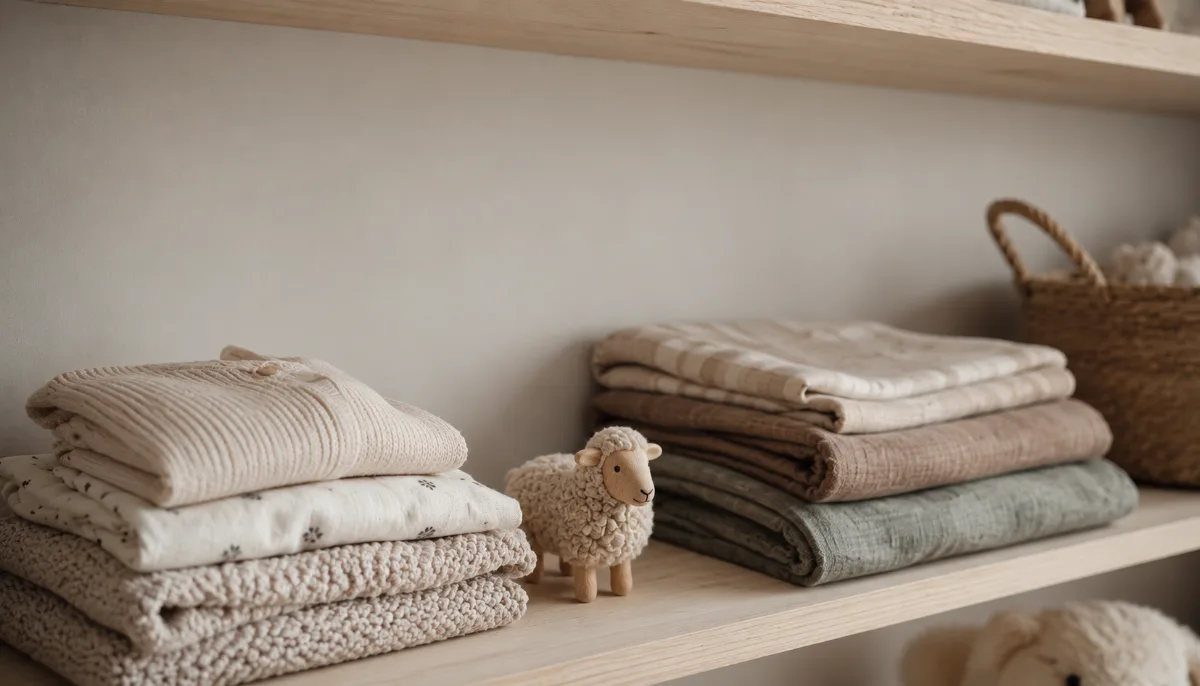
Children who are old enough to be aware of gift-giving often pose the most significant objection to gift-free holidays. Parents and grandparents worry that children will feel deprived or disappointed by the absence of gifts. In practice, children's experience of holidays depends far more on the quality of shared time and the presence of engaging activities than on the quantity of gifts received.
A planned experience — a special outing, an activity chosen based on the child's specific interests, or a contribution toward something the child has been wanting to do — typically produces more genuine enthusiasm than the unwrapping of additional objects. The experience is also more likely to be remembered specifically, whereas individual gifts in a large exchange are often forgotten within weeks of receiving them.
Setting expectations explicitly with children before the holiday, and framing the alternative as an exciting change rather than a reduction, produces better outcomes than allowing children to arrive with full gift expectations and then experiencing the absence. Children are more adaptable than most adults assume when the change is presented with genuine enthusiasm.
The First Year Is the Hardest
The first year of any alternative holiday format carries the awkwardness of disrupted habit and unmet expectations. People who agreed to the change in October may still feel the absence of familiar rituals in December. This is normal and should be expected rather than treated as evidence that the change was wrong.
The second year is typically much easier. The positive memories of the alternative format have been established. The practical knowledge of what the new format requires has been built. And the expectation has shifted so that the new format is the familiar one rather than the unfamiliar replacement.
Approaching the first year as an experiment — something the family is trying rather than committing to permanently — reduces resistance. Most families that try a gift-free or gift-reduced format for one year find that the experience was positive enough to continue, and the format becomes the new tradition through its own merits rather than through ongoing advocacy.



Comments
No comments yet.